
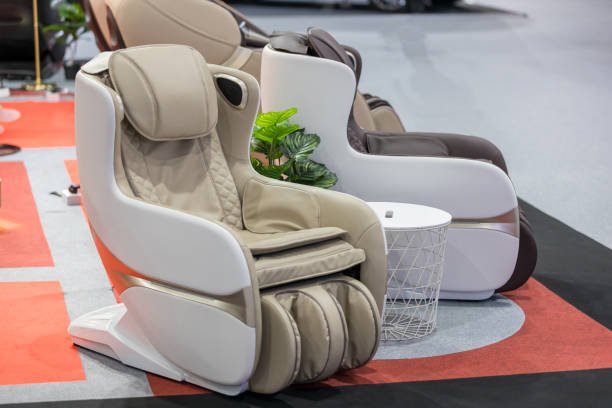
Electric massage chairs combine powered seating functions with built-in massage components. Depending on the model, “electric” may refer to the massage system, a motorized recline function, or both. The feature matters because it changes how easily the chair adjusts, what kinds of massage it can provide, and what the chair requires in your room.
For many buyers, the main question is not simply whether a chair plugs in. It is whether the powered functions solve a real comfort or mobility need. An electric massage recliner can make reclining easier and offer convenient relaxation after long periods of sitting, but it also brings trade-offs involving size, noise, controls, maintenance, and placement near an outlet.
This guide explains what electric massage chairs do, how their main systems work, and when paying for powered functions is worthwhile.
What “Electric” Means in a Massage Chair
Electric massage chairs use household power to operate one or more motors. The motors may move massage rollers, inflate air cells, vibrate the seat, change the recline angle, raise a footrest, or adjust other comfort features. Most full-size massage chairs need electricity for the massage program itself, even if the backrest can also be reclined manually.
In practical shopping terms, there are two common categories:
- Massage chairs with powered massage: The chair uses electricity to run rollers, vibration motors, airbags, heat functions, and program controls. Reclining may be manual or motorized.
- Massage chair electric recliners: The chair includes massage functions and a motorized mechanism for reclining, extending the leg rest, or returning upright. Some models use separate motors for backrest and footrest movement.
The distinction matters because a powered recline is not automatically a better massage system. A chair can have a sophisticated roller track but a basic manual recline, while another may prioritize easy electric reclining and use simple vibration massage. Looking at each function separately gives a clearer picture of what you are buying.
What Electric Massage Chairs Actually Do
The capabilities of electric massage chairs vary widely. Compact reclining chairs often focus on vibration, heat, and simple back or seat zones. Larger dedicated massage chairs may use moving rollers and air compression to create more varied massage patterns. Neither design is automatically right for everyone; the useful choice depends on the kind of comfort experience you want and how you plan to use the chair.
Move rollers along the back
Many dedicated massage chairs have a motor-driven roller mechanism behind the backrest. The rollers travel along a fixed track and may perform actions described as kneading, tapping, rolling, or combinations of these movements. The chair’s track determines which part of the body the rollers can reach.
A shorter track may concentrate on the upper and mid-back. Longer tracks can continue farther toward the lower back and, in some designs, the upper gluteal area. Coverage alone does not determine comfort. Roller position, protrusion, width adjustment, speed, and intensity controls also affect whether the massage feels pleasant for a particular user.
Roller massage is usually more targeted and structured than vibration. It can suit people who want a noticeable mechanical massage sensation rather than a gentle buzzing feeling through the upholstery. However, some users find rollers too intense, especially over bony areas or when the chair’s shape does not match their body.
Provide air compression around selected areas
Air compression systems use inflatable cells or airbags placed in areas such as the shoulders, arms, hips, calves, or feet. The bags inflate and deflate in sequences to create a holding, squeezing, or rhythmic compression sensation.
Airbags can add variety where rollers cannot reach well, particularly around the arms and lower legs. They may also help keep the body positioned against the backrest while the roller program runs. Still, stronger is not always better. If a chair does not allow air intensity adjustments, the compression may feel restrictive for some users.
Use vibration for gentler, broad movement
Vibration massage relies on small motors that create repeated movement in the seat, backrest, or both. It is common in an electric massage recliner because it is relatively simple to build into upholstered furniture.
Vibration can be pleasant for casual relaxation, but it does not mimic the focused movement of roller-based massage. Product descriptions sometimes use broad terms such as “massage” for vibration-only systems, so it is worth checking whether the chair has rollers, airbags, vibration motors, or a combination of them.
Recline and elevate the legs with powered controls
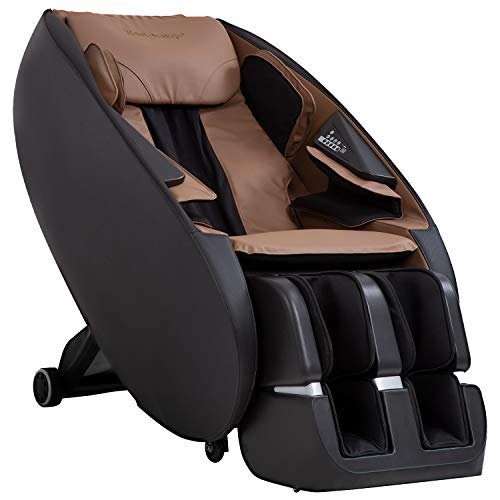
A powered recline function uses an electric motor to change the chair’s position at the press of a button. Depending on the design, the backrest and footrest may move together or independently. Independent adjustment can be especially useful when you want to raise the legs without reclining as far, or recline the back without fully extending the footrest.
The main advantage is controlled movement. Rather than leaning back and applying body weight to operate a manual mechanism, the user can stop at a preferred angle. This is valuable for people who find a manual lever difficult to reach or who want small position changes while reading, watching television, or resting.
Support convenience features
Some electric massage chairs include features such as heat, preset programs, timer settings, memory positions, body scanning, remote controls, side control panels, USB charging, or adjustable foot sections. These features can improve convenience, but their usefulness depends on the chair’s core fit and controls.
For example, a memory recline position can be helpful if more than one person uses the chair or if you regularly prefer the same reading position. A USB port may be convenient beside a sofa, but it should not outweigh basic questions such as whether the seat depth fits your legs or whether the chair will fit in the room when fully reclined.
Why Powered Reclining Can Matter More Than It Seems
Massage receives most of the attention, but the motorized seating mechanism often determines how enjoyable the chair is for everyday use. A massage chair that feels good for fifteen minutes but is awkward to enter, exit, or position may not become a regular part of your home.
Credit: amazon.com
It reduces physical effort to adjust the chair
Manual recliners generally require the user to pull a lever, push with their legs, or shift body weight to close the footrest. An electric control can make those movements easier. This is useful for people with limited hand strength, reduced mobility, or simply a preference for smoother adjustment.
That said, a powered recliner is not a medical mobility device. Anyone with substantial difficulty transferring into or out of a chair should consider whether a lift mechanism, appropriate seat height, arm support, and advice from a qualified professional are needed.
It allows more precise comfort positions
Manual recliners may have a limited set of stopping points. Motorized chairs can usually stop at many points between upright and fully reclined, allowing finer adjustments. That flexibility is useful when a fully reclined position is too flat for conversation or television viewing but a slight recline improves comfort.
Look for controls that are easy to understand and reach when the chair is reclined. A simple set of large buttons may be more practical than a feature-heavy remote with unclear icons.
It can make shared seating easier
In a household with different body sizes and preferences, a motorized mechanism can help each person find a comfortable position. This is particularly relevant with a massage chair electric recliner placed in a living room, where it may be used as regular seating rather than only for occasional massage sessions.
However, powered adjustment cannot compensate for poor dimensions. A chair that is too deep may leave a shorter user unable to sit back comfortably, while one with a narrow shoulder area may feel restrictive for a larger user.
When an Electric Massage Chair Is Worth Considering
Electric massage chairs are most useful when their powered functions match a regular habit or a genuine practical need. They tend to make sense in the following situations.
- You want frequent, low-effort relaxation: If you expect to use massage programs several times a week, accessible controls and automatic programs may justify the added complexity.
- You prefer a recliner that adjusts gradually: A powered backrest and footrest can be more comfortable to operate than a manual lever system.
- You spend long periods seated: The ability to change position, recline, and use a gentle massage feature may make breaks feel more restorative. It does not replace standing, moving, or arranging a workstation properly.
- You want leg and calf features: Dedicated massage chairs with air compression or foot massage components may offer coverage that a conventional recliner cannot.
- You have a suitable permanent location: Full-size chairs work best when they can remain near a grounded wall outlet with enough room for reclining and service access.
- You value independent control: If users in the home have different comfort needs, saved positions, adjustable intensity, and separate leg-rest movement may be genuinely useful.
The feature may matter less if you only want a soft chair with occasional warmth or mild vibration. In that case, a well-built standard recliner, an upholstered chair with a simple vibration pad, or another seating solution may provide better value and require less floor space.
When a Powered Massage Recliner May Not Be the Best Fit
Electric features are not automatically an upgrade for every room or user. Before choosing one, consider the compromises.
Small rooms and tight layouts
Many electric massage chairs need more clearance than their upright footprint suggests. The backrest may move toward the wall, the footrest may extend forward, and side access may be needed for controls or moving the chair. Some models are designed to recline closer to a wall, but “space-saving” does not mean no clearance is required.
Measure the intended location, nearby walkways, doors, side tables, and the fully extended footrest area. Also plan the path from the delivery entrance to the final room. A large chair that fits on paper can still be difficult to turn through narrow halls or stairways.
You prefer simple furniture with minimal upkeep
More motors and electronics mean more parts that may eventually need attention. A manual chair has fewer electrical components, while a dedicated massage chair can include moving rollers, pumps, wiring, circuit boards, and control devices. This does not mean powered chairs are unreliable, but it does mean that warranty terms, repair options, and manufacturer support deserve attention.
You dislike mechanical noise or strong sensation
Electric massage systems make some operational sound. Roller movement, air pumps, and reclining motors are usually audible, especially in a quiet room. Noise level differs by design and condition, so avoid assuming that a premium-looking chair will be silent.
Massage intensity is also personal. A person who enjoys deep pressure may find a vibration-only recliner underwhelming, while someone seeking a gentle comfort feature may find rollers or calf compression excessive.
You need clinical care rather than comfort features
Massage chairs are intended for comfort and relaxation, not for diagnosing or treating health conditions. If you have persistent pain, numbness, swelling, recent surgery, a circulation concern, pregnancy-related questions, implanted medical devices, or another health issue that could be affected by massage or heat, speak with an appropriate healthcare professional before using these features.
Stop using a chair if it causes pain, tingling, dizziness, skin irritation, or worsening symptoms. A comfortable session should not require enduring sharp or unpleasant pressure.
How to Evaluate the Massage System Before Buying
Marketing names can make two very different chairs sound similar. Focus on the components and adjustments that affect actual use.
| Feature to check | Why it matters | Questions to ask |
|---|---|---|
| Massage type | Rollers, airbags, and vibration create different sensations. | Does it use rollers, vibration, air compression, or a combination? |
| Massage zones | Coverage determines which areas the chair can address. | Can you select back, lower body, shoulders, calves, or another area separately? |
| Intensity control | Adjustability helps the chair suit more than one user. | Can roller pressure, air compression, speed, or vibration be reduced? |
| Body fit | A mechanism cannot work comfortably if the chair’s shape is wrong for you. | Where do the rollers reach on your body? Are the shoulder and calf areas comfortable? |
| Program length | Timers can prevent unexpectedly long sessions and simplify use. | Are session times selectable, and does the chair shut off automatically? |
| Control design | Controls affect whether you will use the chair regularly. | Can you adjust settings without straining or searching through menus? |
If possible, try the chair while wearing ordinary clothing and use several settings rather than only the most dramatic demo program. Check where the neck and shoulder area lands, whether your feet fit the foot section, whether the armrests support you naturally, and whether you can enter and exit the chair easily.
Credit: ebay.com
Fit, Comfort, and Recline Geometry
Electric massage chairs are not one-size-fits-all. A chair’s interior dimensions and shape influence comfort as much as the electronic features.
Seat height and depth
When sitting upright, your feet should rest comfortably on the floor unless you are using the footrest. If the seat is too high, your feet may dangle; if it is too low, standing up can feel harder. Seat depth also matters. Your back should reach the backrest without the front edge pressing uncomfortably behind the knees.
Backrest and shoulder position
On roller models, pay attention to the highest point the mechanism reaches. If you are taller than the chair is designed for, the rollers may stop below the areas you want massaged. If you are shorter, the shoulder area may feel misplaced. Some chairs use body scanning or manual positioning controls, but these features still operate within the chair’s physical limits.
Leg-rest design
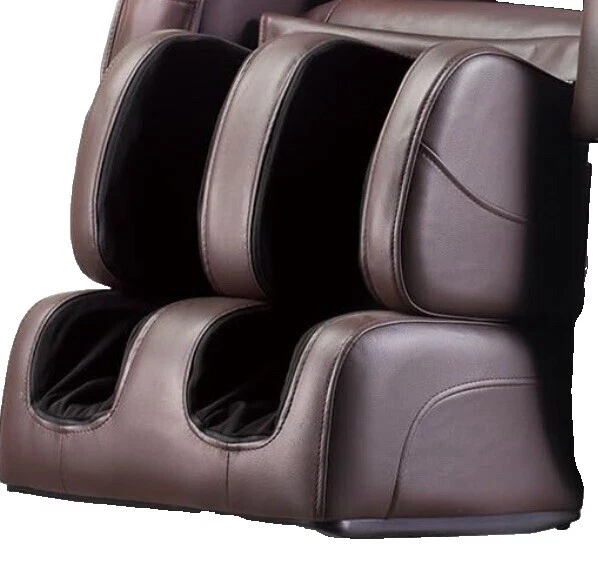
A footrest can be a major comfort benefit, especially when it supports the legs evenly. But calf compartments and enclosed foot massage units can feel restrictive for people with larger calves, sensitive feet, or limited knee flexibility. If the model has a moving or extending foot section, confirm that the motion feels smooth and does not force your legs into an uncomfortable angle.
Armrests and getting out of the chair
Firm, stable armrests can help users shift position and stand. Very low, narrow, or heavily padded arms may look sleek but provide less leverage. This becomes more important with deep recliners, since the user may need to return to a more upright angle before getting out.
Electrical Setup and Safety Basics
An electric chair needs a safe, practical power arrangement. Read the manufacturer’s instructions for the specific model, as electrical requirements and extension-cord guidance can differ.
- Place the chair close enough to an appropriate wall outlet that the cord does not stretch across a walkway.
- Avoid pinching the cord under the chair, footrest mechanism, rugs, or furniture legs.
- Do not use a damaged cord, loose outlet, or adapter not approved for the chair.
- Keep liquids away from controls, power connections, and electronic components.
- Unplug the chair before cleaning around electrical parts or when instructed for maintenance.
- Keep children and pets away from moving mechanisms, especially the reclining linkage and closing footrest.
If the chair stops moving, makes unusual sounds, smells hot, or shows visible damage, stop using it and follow the manufacturer’s troubleshooting or service process. Do not attempt to dismantle the mechanism unless you are qualified and the manufacturer permits it.
Maintenance That Helps Preserve Comfort and Function
Basic maintenance can keep an electric massage recliner more pleasant to use and may help prevent avoidable problems. The correct method depends on whether the upholstery is leather, faux leather, fabric, or another material, so follow the care instructions supplied with the chair.
Clean upholstery gently
Vacuum crumbs and dust from seams and around moving sections using a suitable attachment. Wipe spills promptly with products appropriate for the upholstery. Harsh cleaners, excessive water, and unapproved conditioners can damage finishes or seep into areas near electrical components.
Keep the mechanism clear
Check occasionally for objects under the chair or near the footrest. Toys, cables, pet bedding, and small items can interfere with moving parts. Do not force the chair through a movement if something is blocking it.
Use controls as intended
Let the motor complete a movement rather than repeatedly reversing direction or forcing a manual adjustment while the powered mechanism is running. If the remote has a storage pocket, return it after use to reduce the chance of cable damage or accidental drops.
Review the warranty before problems arise
Warranty coverage may differ for upholstery, frame, motors, electronics, and labor. Keep proof of purchase and the model information in an accessible place. If service is needed, using approved support channels may be important for preserving coverage.
Choosing Between a Dedicated Massage Chair and an Electric Massage Recliner
The right choice often comes down to whether you want a massage device that also provides seating or a recliner that adds massage features.
| Option | Usually best for | Main trade-off |
|---|---|---|
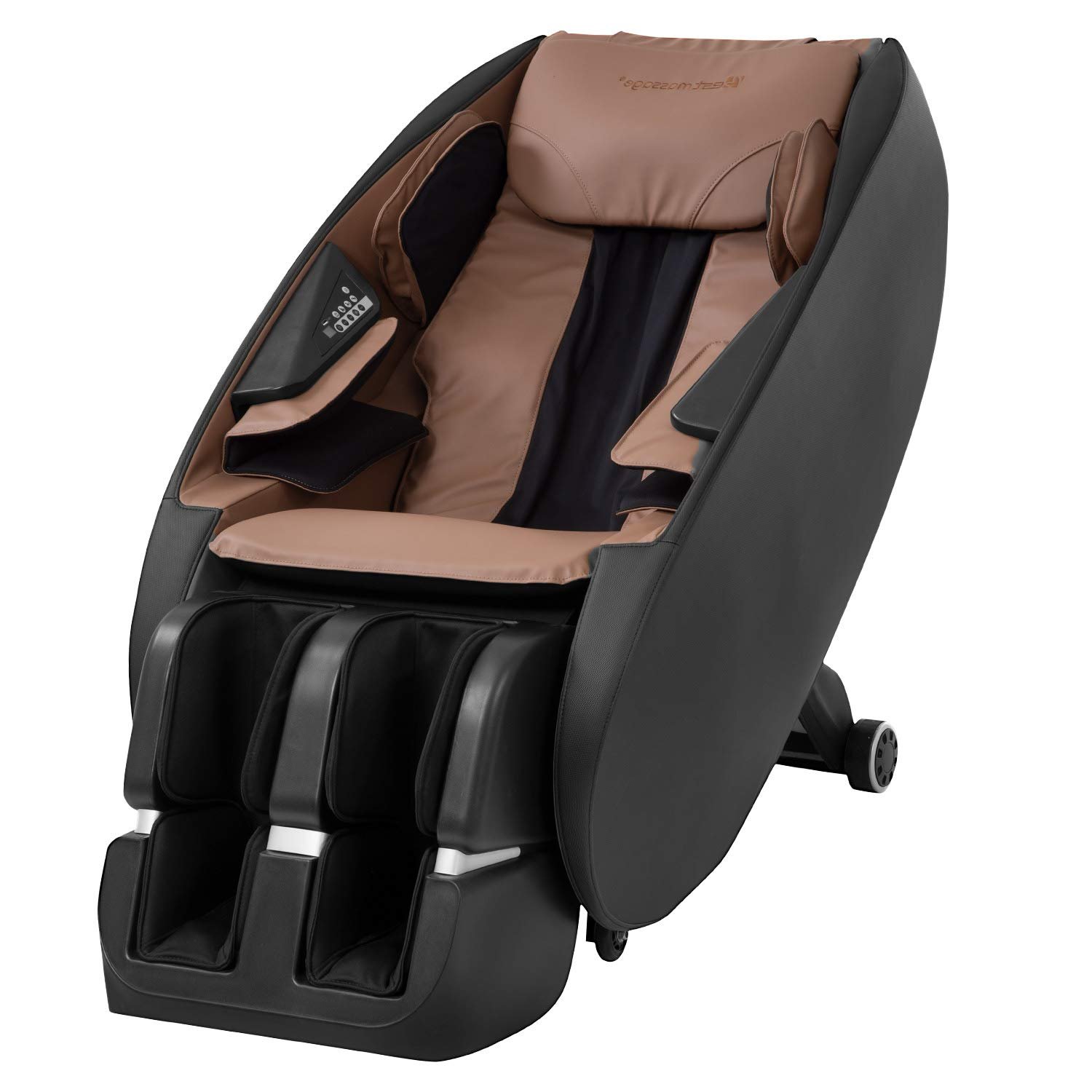
| Dedicated electric massage chair | People who prioritize roller massage, air compression, multiple programs, and whole-body coverage. | Often larger, more visually specialized, and less like conventional living-room seating. |
| Electric massage recliner | People who want everyday recliner comfort with simple massage, vibration, heat, or powered adjustment. | Massage may be less targeted or less advanced than a dedicated chair. |
| Standard powered recliner without massage | People who mainly need easy position adjustment and comfortable seating. | Does not provide built-in massage programs. |
A dedicated chair is usually the stronger fit when massage capability is the primary goal. An electric massage recliner may be the better choice when the chair needs to blend into a living room and serve as regular seating. In either case, prioritize fit, usable controls, room clearance, and a massage intensity you can tolerate comfortably over a long list of extras.
Credit: amazon.com
Frequently Asked Questions
Do electric massage chairs use a lot of electricity?
Usage depends on the motors, heat feature, session length, and how often the chair is used. Massage and recline functions generally draw power while operating, while standby use may also consume a small amount. Check the model’s electrical rating and manual for its specific requirements.
Can an electric massage chair be used without turning on the massage?
Usually, yes. Most models allow the chair to be used as normal seating, and powered recline functions may be operated separately from massage programs. Confirm this in the product controls or manual because feature combinations vary.
Is heat necessary in a massage recliner?
No. Heat is a preference feature rather than a requirement for a useful chair. Some people enjoy the added warmth during relaxation, while others prefer massage without it. A separate heat control is more flexible than a chair that automatically adds heat to every program.
What happens if the power goes out while the chair is reclined?
The chair may remain in its current position until power returns. Some models include a battery backup or manual release for returning the chair to an upright position, but this is not universal. Check this detail before buying if outages are common where you live.
How long should a massage chair session last?
Follow the chair manufacturer’s recommended session length and use the timer when available. Start with a short, gentle session to see how the pressure and movement feel. If discomfort occurs, stop rather than increasing intensity or duration.