
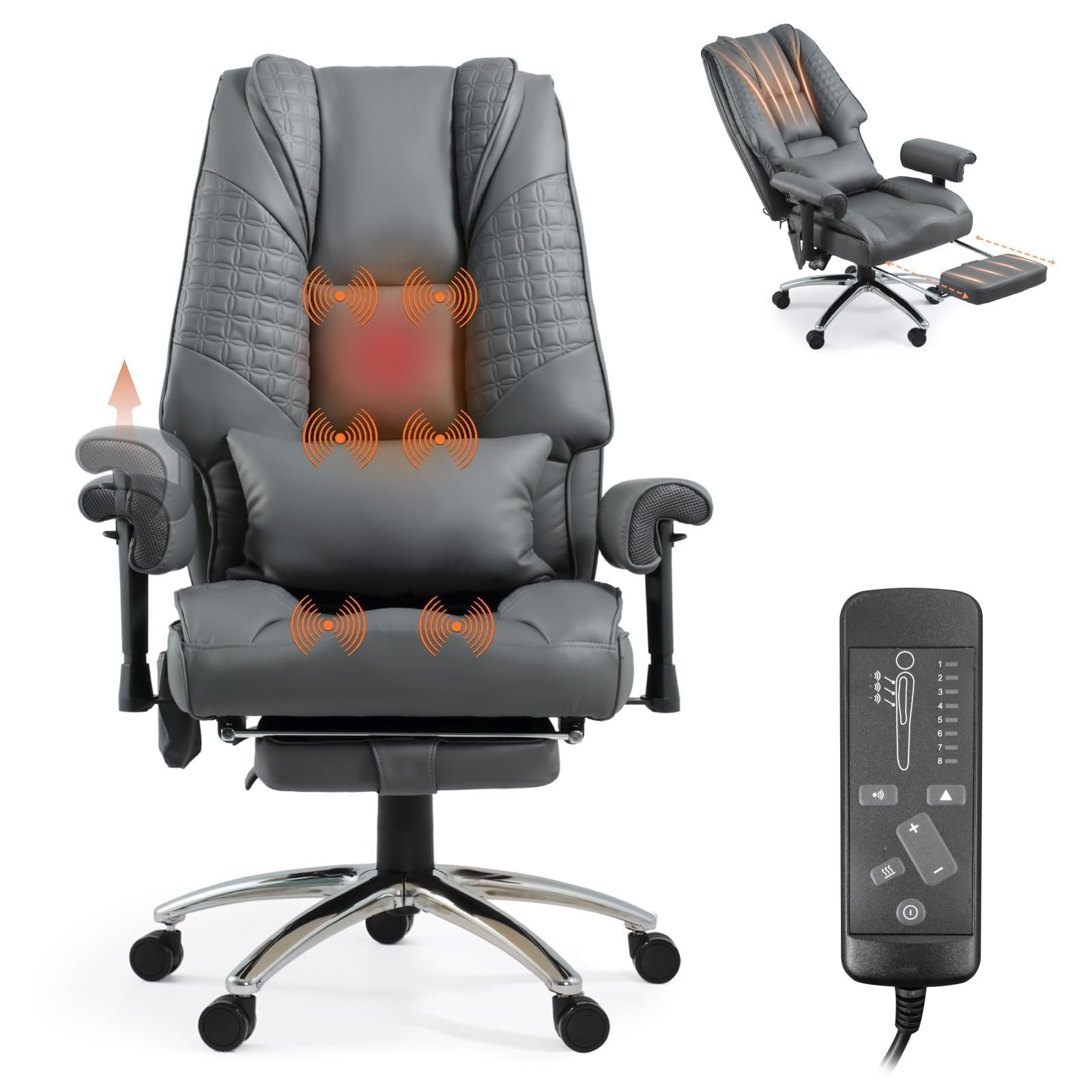
A heated massage chair combines mechanical massage with built-in warming elements, usually in the lower back, seat, calves, or feet. Its purpose is simple: provide a more comfortable, relaxing massage experience by pairing pressure, movement, and gentle heat.
Not every massage chair with heat works the same way. Some models use rollers that travel along the back, while others rely more heavily on airbags, vibration, or fixed massage nodes. Heat may be subtle and localized, or it may cover several areas—but it is usually designed for comfort rather than intense therapeutic heating.
Understanding how a heated massage chair operates, which features matter, and where its limits are can help you decide whether it suits your space, body size, budget, and expectations.
How a Heated Massage Chair Works
A heated massage chair uses several systems that work independently or together. The massage system creates movement or pressure against the body, while heating pads or heating elements add warmth to selected areas. Controls allow the user to choose a program, adjust intensity, activate heat, and sometimes target specific body regions.
Massage rollers move along the back
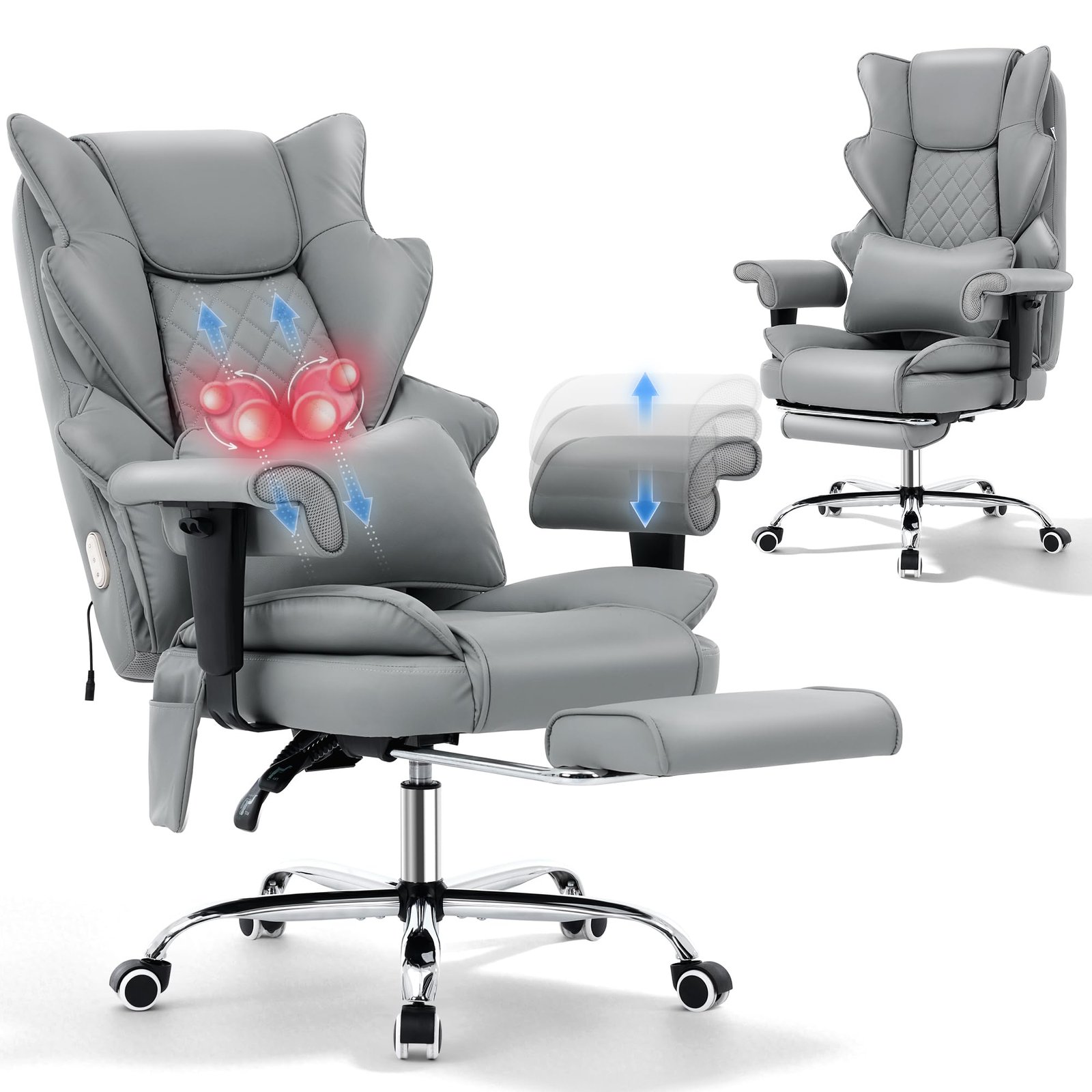
Many full-size heated massage chairs use a motorized roller mechanism inside the backrest. The rollers travel on a track and apply movements intended to resemble common massage techniques, such as kneading, tapping, rolling, stretching, or a combination of motions.
The roller track determines how far the massage reaches. A shorter track may focus mainly on the upper and lower back, while a longer track can extend from the neck or shoulders down toward the hips and glutes. The chair’s padding, roller design, body-scanning system, and intensity settings all affect how the massage feels.
Airbags create compression and release
Air compression is another central feature in many massage chairs. Airbags inflate and deflate around areas such as the shoulders, arms, hips, calves, feet, or legs. This creates a squeezing sensation rather than the direct pressure of rollers.
Compression massage can be useful for people who prefer a gentler, wrapping sensation around the limbs. However, strong airbag pressure may feel restrictive to some users, especially in a chair with a narrow shoulder, arm, or calf compartment.
Heat comes from integrated warming elements
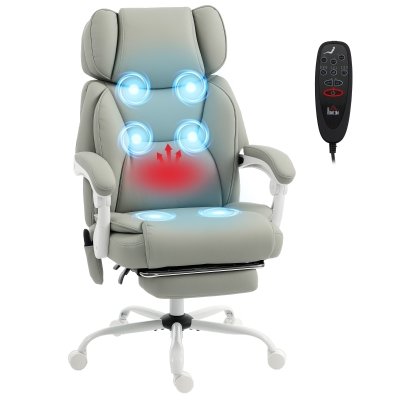
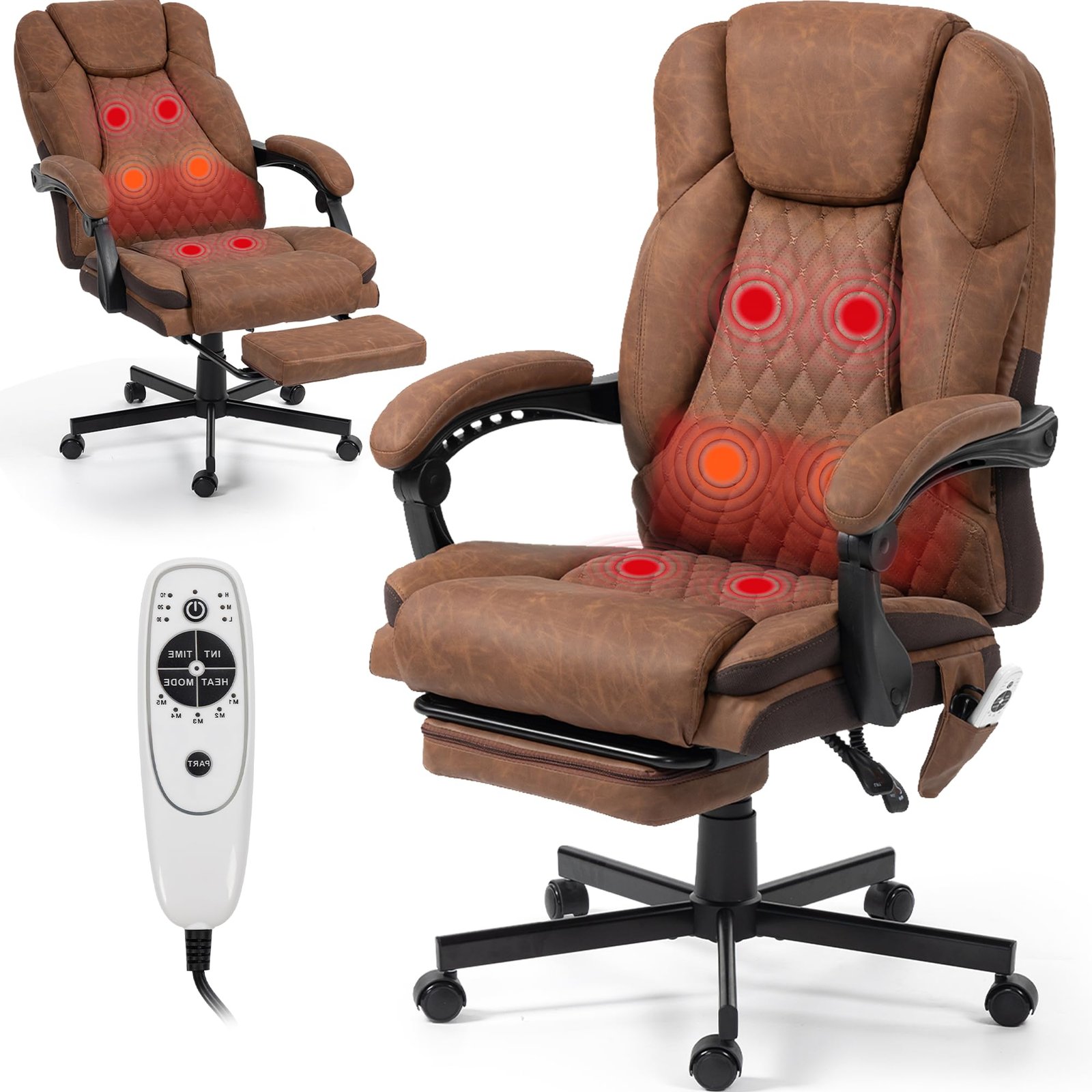
The heat function typically comes from electrical heating pads or elements placed beneath the upholstery. The lower back is the most common heated zone because it is easy to integrate into the chair’s backrest and complements roller massage. Some heated massage chairs also warm the seat, calves, or footwells.
In most cases, the warmth is moderate rather than hot. Upholstery, foam, clothing, and the position of the heating elements can all reduce how intense the heat feels. A chair may advertise heat as a feature, but the actual sensation can be gentler than a dedicated heating pad placed directly against the body.
Programs coordinate multiple functions
Automatic programs combine rollers, airbags, recline, foot massage, and heat into a preset sequence. For example, a relaxation program may use slow kneading, mild air compression, a reclined position, and lower-back heat. A stronger program may use deeper roller pressure and more active compression.
Manual controls are equally important. They let you adjust the settings that make the biggest difference to comfort, including roller speed, massage width, intensity, airbag pressure, massage zone, recline angle, and heat activation.
What Heat Adds to the Massage Experience
Heat changes the feel of a massage chair more than it changes the chair’s core mechanical capability. It can make the seat feel cozier, reduce the initial coolness of leather-like upholstery, and help some users feel more comfortable during a slow massage program.
A massage chair with heat may be especially appealing in a cool room, after a long day at a desk, or when you want a less clinical and more lounge-like experience. The warmth can also make roller pressure feel less abrupt for some people, although that depends on the chair and the user’s sensitivity.
Heat is mainly a comfort feature
It is best to view chair heat as a comfort and relaxation function. While warmth can feel soothing on temporarily tight or tired muscles, a heated massage chair is not a substitute for diagnosis, physical therapy, medical care, or treatment for ongoing pain.
Persistent numbness, weakness, severe pain, swelling, unexplained symptoms, or pain after an injury should be assessed by an appropriate healthcare professional. A chair cannot identify the cause of those symptoms, and more pressure or heat is not always the right response.
Heat may feel different across chair designs
Two chairs with a heat button can produce very different experiences. A broad lower-back warming panel may feel diffuse and mild, while smaller heating zones can feel more concentrated. Heat in the calves or feet may be noticeable when the chair is reclined, but less useful if the user rarely uses the leg unit.
Look beyond the phrase “heated massage chair” and check where heat is located, whether the level is adjustable, and whether it can be used independently from the massage program.
Key Features to Look For
The best feature set depends on how you plan to use the chair. Someone seeking occasional relaxation may value easy controls and soft cushioning. A person who expects frequent use may place more value on body fit, adjustability, roller coverage, and durable upholstery.
Credit: aosom.com
Massage mechanism and roller track
The massage mechanism has a major effect on the chair’s feel. Roller systems generally provide more focused back massage than chairs that rely mainly on vibration or airbags. Consider these points:
- Roller coverage: Check whether the rollers reach the neck, shoulders, lower back, hips, or glutes.
- Massage styles: Useful programs may include kneading, tapping, rolling, stretching, and focused spot massage.
- Intensity control: A good range matters because a chair that feels pleasant for one person may feel too firm or too weak for another.
- Width and position adjustment: These controls can help align roller pressure more closely with your back.
- Body scanning: Some chairs attempt to detect shoulder height and body position before starting a program. This can improve alignment, but it is not perfect and may still need manual adjustment.
Heated zones and temperature controls
Heat placement matters more than the simple presence of heat. Lower-back heat is common and practical, but it may not be enough for users who want warmth in the seat, legs, or feet. If heat is a priority, confirm the exact zones instead of assuming full-body warming.
Useful heat-related features include separate on/off controls, multiple warmth levels, and a timer. A timer is particularly helpful because it prevents the chair from running indefinitely if you fall asleep or leave the room.
Air compression coverage
Airbags can create a full-body feel that rollers alone cannot provide. Shoulder airbags may hold the upper body in place during a stretch sequence. Arm airbags can add gentle compression around the forearms and hands. Leg and calf airbags can complement foot rollers or vibration.
More airbags do not automatically mean a better chair. Their placement, pressure range, and the available space inside the chair matter more. If the arm channels, shoulder area, or calf wells are too tight for you, the experience can become uncomfortable quickly.
Recline and zero-gravity positioning
Many massage chairs recline, and some offer a position commonly called zero gravity. In this position, the chair raises the legs and reclines the torso so body weight is distributed more evenly across the seat and backrest.
Reclining can make a massage feel more comfortable because it reduces the effort needed to sit upright and may help the rollers maintain contact with the back. Still, the label itself does not guarantee comfort. Test the head position, neck support, footrest length, and ease of entering and leaving the chair.
Foot and calf massage
Foot and calf systems vary considerably. Some use airbags only, while others include rollers, textured pads, vibration, or a combination of methods. Roller-based foot massage can feel intense, particularly for users who are sensitive in the soles of their feet.
Look for adjustable intensity or removable pads if available. Also check the legrest’s fit. A footwell that is too short, too narrow, or poorly shaped can make an otherwise good chair impractical.
Controls and usability
A complex remote is not always a sign of a better chair. The most useful controls are the ones you can understand without repeatedly consulting a manual. At minimum, it should be easy to start and stop a session, choose a program, change intensity, adjust recline, and turn heat on or off.
Voice controls, touchscreen remotes, memory settings, and app connectivity can be convenient, but they are secondary to reliable physical controls. Consider how easily someone with limited hand mobility, poor eyesight, or low comfort with technology could use the chair.
Body Fit Is More Important Than Many Buyers Expect
A heated massage chair should fit your height, shoulder width, leg length, and general build. Massage mechanisms operate within fixed physical boundaries. If your body does not align with those boundaries, the rollers, airbags, and calf compartments may not reach the intended areas.
Height and shoulder alignment
Back rollers need to begin near the right shoulder height to deliver a comfortable upper-back and neck-area massage. If you are much shorter or taller than the chair’s intended user range, the rollers may press too high, too low, or miss key areas.
Automatic body scanning can help, but it cannot fully overcome a poor size match. Check the manufacturer’s recommended user-height guidance when it is available, and remember that torso length matters as much as overall height.
Weight, width, and seat dimensions
Check the listed user weight limit and compare it with the chair’s usable seat width, shoulder space, arm channels, and calf compartments. A chair can technically support a user’s weight while still feeling confining because the internal massage areas are narrow.
People with broad shoulders, larger calves, or wider hips should pay particular attention to airbag compartments. Extra compression may sound appealing in product descriptions, but insufficient room can create pressure in the wrong places.
Neck and head support
Head pillows are often adjustable or removable. This matters because a thick pillow can soften the neck area but may also reduce roller contact near the upper back. A thin or poorly positioned pillow can leave the head unsupported when the chair reclines.
Comfortable neck support is especially important if you plan to use relaxation programs for longer sessions. The chair should support the head without forcing the chin toward the chest or leaving the neck overextended.
Space, Placement, and Electrical Requirements
Massage chairs are large, heavy pieces of furniture, and their moving parts need clearance. Before ordering one, measure the intended location, nearby walkways, doorways, and the path from the delivery entrance to the final room.
Credit: amazon.com
Allow room for recline
A traditional recliner-style massage chair may need substantial space behind it to lean back. Space-saving designs may slide forward as they recline, reducing the wall clearance required. Even so, they still need room in front for the legrest and enough side clearance for arm movement and access.
Measure with the chair fully reclined in mind, not just in its upright position. Also consider whether a person can safely walk around it when the footrest is extended.
Plan the delivery route
Door frames, hallways, staircases, elevators, and tight corners can be bigger obstacles than the room itself. Review the packaged dimensions and delivery requirements supplied by the seller. Some chairs arrive in multiple sections, but that does not mean every installation will be simple.
Use a suitable power outlet
A heated massage chair needs electricity for its motors, controls, and warming elements. Place it near an accessible outlet and follow the manufacturer’s instructions for extension cords, surge protection, and electrical loading. Avoid pinching the power cable beneath the chair or running it where people can trip over it.
Do not use a damaged cord or continue operating the chair if you notice unusual smells, smoke, sparks, repeated power loss, or excessive heat. Switch it off, unplug it if safe to do so, and contact the manufacturer or a qualified service provider.
Limitations of Heated Massage Chairs
Heated massage chairs can be enjoyable and convenient, but they have real limitations. Knowing them before purchase prevents disappointment and helps you use the chair more safely.
They do not replace professional care
A chair can support relaxation and temporary comfort, but it cannot diagnose a musculoskeletal problem or provide individualized treatment. If you have a health condition, recent surgery, circulation concerns, a pacemaker or implanted medical device, pregnancy-related concerns, reduced sensation, or a history of serious back or neck problems, ask a qualified clinician whether massage and heat are appropriate for you.
People who cannot reliably sense temperature should be particularly cautious with heated functions. Heat that feels mild to one person may be too strong for someone with reduced sensation or certain medical conditions.
Heat is often mild and limited in coverage
Buyers sometimes expect the warmth of an electric blanket or a dedicated heat wrap. In reality, many massage chair heating systems are deliberately moderate and focused on a small number of zones. The chair’s upholstery and padding may further soften the sensation.
If strong or widespread heat is your main goal, verify the chair’s heat zones and controls before buying. Do not assume that every model described as a massage chair with heat warms the entire body.
Massage pressure may not suit everyone
Deep rollers, foot rollers, and strong airbags can be uncomfortable for people who are sensitive to pressure. Conversely, users seeking a firm massage may find lightly padded or vibration-focused chairs underwhelming.
Adjustability helps, but it cannot turn every chair into the right fit. A user who dislikes direct roller pressure may prefer a softer chair with more air compression. Someone who wants targeted back pressure may be disappointed by a model built mainly around vibration and gentle airbags.
They require maintenance and occasional service
A massage chair contains motors, moving tracks, airbags, wiring, upholstery, and electronic controls. These parts can wear over time. Keep the chair clean according to its manual, avoid spills, keep pets from chewing cables, and do not allow children to play on the moving footrest or recline mechanism.
Cleaning usually involves a soft cloth and mild product approved for the upholstery material. Harsh cleaners, excessive water, and oils can damage synthetic leather, fabric, seams, or electronic components. Follow the manufacturer’s care instructions rather than assuming all upholstery responds the same way.
They are not quiet or invisible in a room
Even well-designed chairs produce motor sounds, air-pump noise, and movement from rollers and recline systems. Noise levels vary by model and program. A chair may be acceptable in a living room but distracting in a shared office, bedroom, apartment with thin walls, or quiet reading area.
The chair’s appearance also matters. Full-size heated massage chairs are visually substantial, so consider whether the style, upholstery color, and footprint suit the room when the chair is not in use.
How to Choose the Right Heated Massage Chair
Rather than comparing long feature lists, start with the functions you will realistically use. A chair with fewer well-designed features can be a better choice than one with many modes that do not fit your body or routine.
- Decide what you want most. Prioritize back rollers, leg compression, foot massage, recline, heat, or simple relaxation controls based on your needs.
- Confirm body fit. Review the suggested height range, user weight limit, seat dimensions, shoulder width, and calf-area design.
- Check heat placement. Identify whether heat is in the lower back only or also in the seat, legs, calves, or feet.
- Measure the room and delivery route. Account for recline clearance, extended footrest space, doorways, corners, and access to a power outlet.
- Review adjustment options. Look for practical control over roller intensity, air pressure, recline, massage zones, and heat.
- Read the warranty and service terms. Find out what is covered, how service is handled, and whether in-home repair is available in your area.
- Consider trying a similar chair in person. If possible, test the basic fit, shoulder alignment, footwell comfort, and roller intensity before committing.
The right heated massage chair should feel comfortable at low settings as well as higher ones. If it only feels usable after extensive adjustment—or if any compartment feels too tight—another design may be a better match.
Credit: amazon.com
Frequently Asked Questions
Can you use a heated massage chair every day?
Many people use one regularly for short, comfortable sessions, provided they follow the manufacturer’s guidance. Start with a lower intensity and shorter session to see how your body responds. Stop if you experience pain, numbness, dizziness, skin irritation, or worsening symptoms.
Does a heated massage chair use a lot of electricity?
Usage depends on the chair’s motors, heating system, session length, and standby behavior. The product label or manual should list electrical requirements and power consumption. Turning the chair off when not in use can reduce unnecessary standby use.
Can the heat function be used without the massage program?
Some models allow heat to operate independently, while others link it to selected automatic programs. This is a model-specific feature, so check the control description or manual before buying if independent heat matters to you.
What should you wear when using a massage chair?
Light, comfortable clothing is usually best. Very thick clothing can reduce the feeling of rollers and heat, while rough seams, belts, jewelry, or items in pockets can make the session uncomfortable and may damage upholstery.
How long does a heated massage chair typically last?
Service life depends on build quality, frequency of use, user weight, maintenance, and the availability of replacement parts. A clear warranty, reputable service support, and careful use are more meaningful indicators than a broad lifespan estimate.