
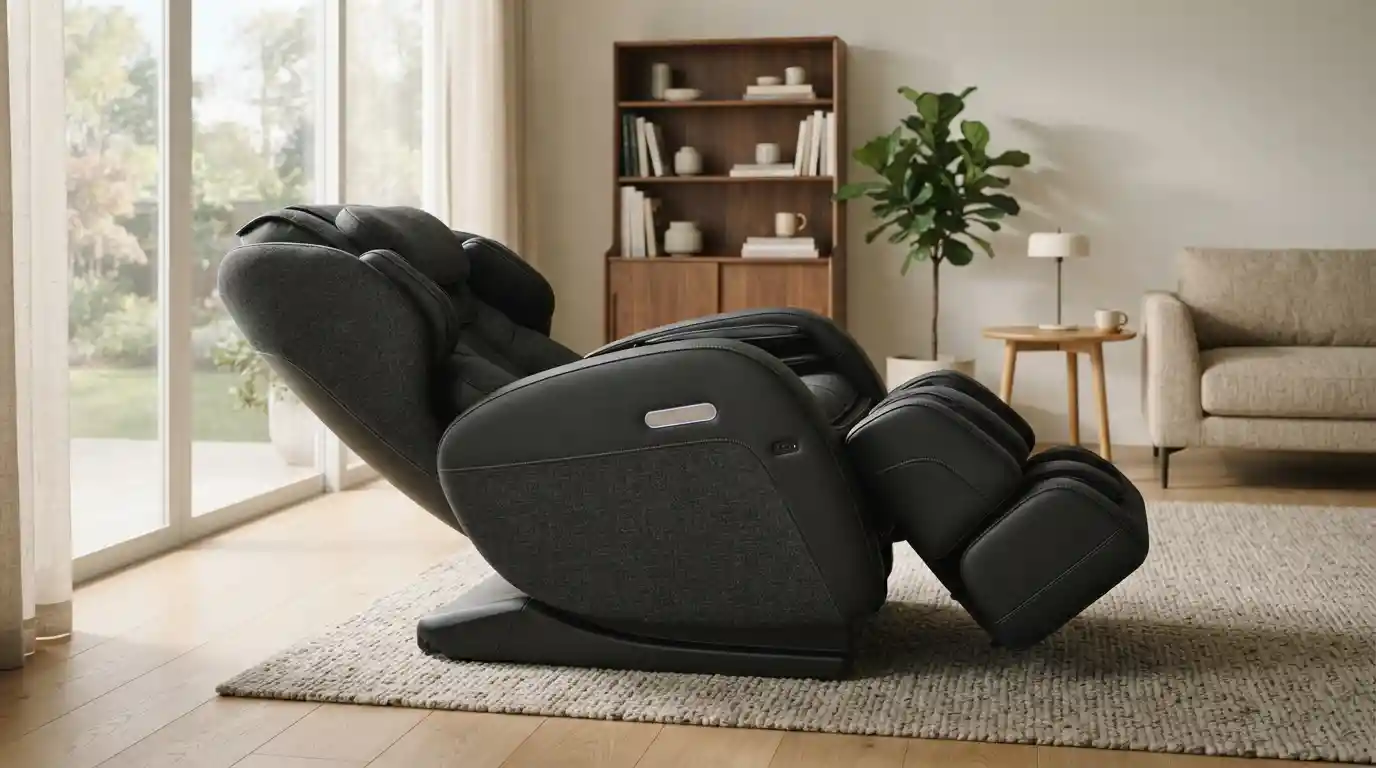
Massage chairs work by combining moving rollers, inflatable airbags, motors, sensors, and preset programs to imitate some of the motions used in hands-on massage. Depending on the chair, the system may knead the back with rollers, compress the arms and legs with airbags, vibrate the seat, warm selected areas, and recline the body into a more relaxed position.
The answer to how do massage chairs work is not simply “they vibrate.” While basic models may rely heavily on vibration, more advanced chairs use a computer-controlled massage mechanism that travels along the back and changes its speed, width, depth, and movement pattern. The result is a customizable comfort experience rather than a medical treatment.
Understanding the parts inside a massage chair makes it easier to compare models, choose useful programs, and set realistic expectations about what a chair can and cannot do.
The Main Systems Inside a Massage Chair
A massage chair is a coordinated system rather than one single mechanism. Its controller tells motors, rollers, airbags, and other components what to do during a selected massage program. A typical chair includes the following parts.
- Massage rollers: Mechanical rollers that move behind the backrest to perform kneading, tapping, rolling, and similar motions.
- Track: The guided path that determines how far the rollers can travel down the body.
- Airbags or air cells: Inflatable cushions that apply gentle compression around the shoulders, arms, hips, calves, feet, or hands.
- Motors and gears: Components that move the rollers, adjust the recline, raise the leg rest, and drive other functions.
- Air pump and valves: Parts that inflate and deflate airbags in a programmed sequence.
- Body-scanning sensors: Features that estimate the user’s shoulder position, back length, or body contour so the rollers can be positioned more appropriately.
- Control system: A remote, touchscreen, armrest panel, or app that lets the user select programs and adjust settings.
The quality of each component matters. Two chairs may both advertise “full-body massage,” but one may have limited roller travel and simple compression cushions, while another may offer more precise roller movement, greater adjustment, and a broader range of massage zones.
How Massage Rollers Create Back Massage Motions
Rollers are the core mechanism in many massage chairs. They sit behind the backrest, usually beneath a padded layer, and move along a track with the help of electric motors. As the mechanism travels, the rollers push outward against the chair upholstery and the user’s back.
Most roller systems use roller heads positioned on the left and right sides of the spine. They are designed to work alongside the spine rather than directly on it. The chair’s programming changes how those roller heads move, which creates different massage styles.
Common roller techniques
The names used by manufacturers can vary, but these are the motions commonly found in massage chair programs.
- Kneading: Alternating circular or inward-outward movements that aim to resemble hands working through muscle tissue.
- Tapping: Quick, rhythmic pulses that feel more percussive than kneading.
- Knocking: A firmer, repetitive tapping-style movement, often used in upper-back programs.
- Rolling: A smoother up-and-down movement along the back.
- Shiatsu-style massage: A focused pressing motion intended to feel more targeted. The exact experience differs substantially by chair design and settings.
- Stretch massage: A coordinated routine that uses rollers, airbags, and recline adjustments to gently change body position.
Roller massage is mechanical, so it does not respond in the same way as a trained massage therapist’s hands. A chair cannot assess tenderness, inflammation, muscle tension, or injury in real time. However, adjustable intensity, speed, width, and roller position can make the experience more comfortable for many users.
2D, 3D, and 4D rollers explained
These labels describe the directions and timing of roller movement, although manufacturers do not always use the terms in exactly the same way.
| Roller type | Basic movement | What it usually affects |
|---|---|---|
| 2D rollers | Move up and down the track and side to side across the back | Coverage and roller width |
| 3D rollers | Add forward and backward movement toward or away from the body | Massage depth and intensity |
| 4D rollers | Usually add changes in speed, rhythm, or pausing to 3D-style movement | A more varied, less uniform massage pattern |
A 3D or 4D label does not automatically mean a chair will be more comfortable. Deeper roller extension can feel more intense, but it may be too strong for a sensitive user or someone with a smaller frame. The important feature is whether the chair lets you reduce the depth and reposition the rollers when needed.
What the Massage Chair Track Does
The track is the rail system that guides the roller mechanism. It determines where the rollers can reach, from the neck and shoulders down toward the lower back, hips, or glutes. Track length is one of the biggest practical differences between massage chairs.
Credit: wildcatmattress.com
S-track designs
An S-track follows the natural curve of the spine. It generally begins near the upper back and follows the back’s contour into the lumbar area. This design is common because it keeps the rollers relatively close to the body as they move down the back.
An S-track can provide effective back coverage, but its roller path may stop around the lower back or upper buttocks depending on the model. It is often suitable for people whose main priority is shoulder, upper-back, and lumbar massage.
L-track designs
An L-track extends beyond the lower back and continues under the seat toward the glutes and upper thighs. It combines the spine-following section of an S-track with a longer lower-body route.
For users who want more attention around the hips and glutes after long periods of sitting, an L-track may be more appealing. Still, the feel in this area varies widely. Some chairs use rollers for a pronounced glute massage, while others offer a gentler sensation because of thick seat padding or a more restrained mechanism.
SL-track designs
Many brands use the term SL-track to describe a long, curved track that follows the back and continues beneath the seat. In practical terms, it is often similar to an L-track. Instead of focusing only on the label, check the stated roller coverage and consider whether the chair has adjustable roller placement.
Track design affects reach, but it does not solve fit on its own. A tall user may need a chair with a longer backrest and a wider shoulder range, while a shorter user may need reliable body scanning and manual shoulder-position controls.
How Airbags Deliver Compression Massage
Airbags, also called air cells, use compressed air rather than rollers. An internal pump sends air into cushions placed around different sections of the chair. Valves then release the air, allowing the cushions to inflate and deflate in a programmed rhythm.
This is why a massage chair can massage areas that rollers cannot easily reach, including the arms, outer shoulders, calves, feet, hips, and sides of the body. Airbags do not usually create the same focused pressure as rollers. Instead, they create a squeeze-and-release sensation.
Where airbags are commonly placed
- Shoulders and upper arms: Airbags can hold the body in position during stretching routines and provide side compression.
- Arm channels: Inflatable sections around the forearms and hands create a gentle compression massage.
- Hips and seat: Side airbags may help stabilize the pelvis or add compression around the hip area.
- Calves and feet: Airbags may squeeze the lower legs and feet, often alongside rollers, nodes, or textured foot pads.
More airbags are not always better. Their placement, size, inflation sequence, and pressure control determine whether they feel useful or overly restrictive. A chair with adjustable air intensity is usually easier to tailor to different comfort preferences.
Why airbags matter in stretch programs
In a stretch routine, airbags may hold the ankles, calves, arms, or shoulders while the chair reclines or changes position. This can create a mild pulling sensation through the back, hips, or legs. The goal is usually relaxation and a sense of opening up after sitting, not forceful stretching.
Users should keep stretch settings gentle, particularly if they have limited mobility, recent surgery, joint instability, or a painful condition. Stop the program if it causes pain, numbness, dizziness, or an uncomfortable pulling sensation.
How Body Scanning and Controls Personalize the Massage
Most mid-range and premium massage chairs include some form of body scan. When a program starts, the rollers may travel upward and downward to locate the top of the shoulders and estimate the length of the user’s back. Some chairs also use pressure, position, or contour sensing to refine the starting point.
The scan helps the chair place neck and shoulder techniques in a more appropriate area. Without it, a fixed roller path may massage too high, too low, or miss the areas a user wants to target.
Body scanning has limits
A body scan is a convenience feature, not a clinical assessment. Loose clothing, unusual sitting position, thick cushions, body shape, and the chair’s own sensor design can affect its accuracy. Even a chair with scanning may need manual adjustment.
Before beginning a full session, check where the rollers rest at the top of the scan. If they are pressing above the shoulders or sitting too low, use the remote’s shoulder-position controls if available. A properly placed roller position is often more important than selecting the most advanced program.
Useful settings to look for
Controls vary, but these adjustments can make a meaningful difference:
- Roller intensity or depth
- Airbag pressure
- Massage speed
- Roller width
- Manual roller position
- Focused or spot massage mode
- Heat on or off
- Recline position
- Massage duration
If several people will use the same chair, saved user profiles can be convenient. However, manual adjustment remains valuable because comfort can change from one session to another.
How Automatic Massage Programs Work
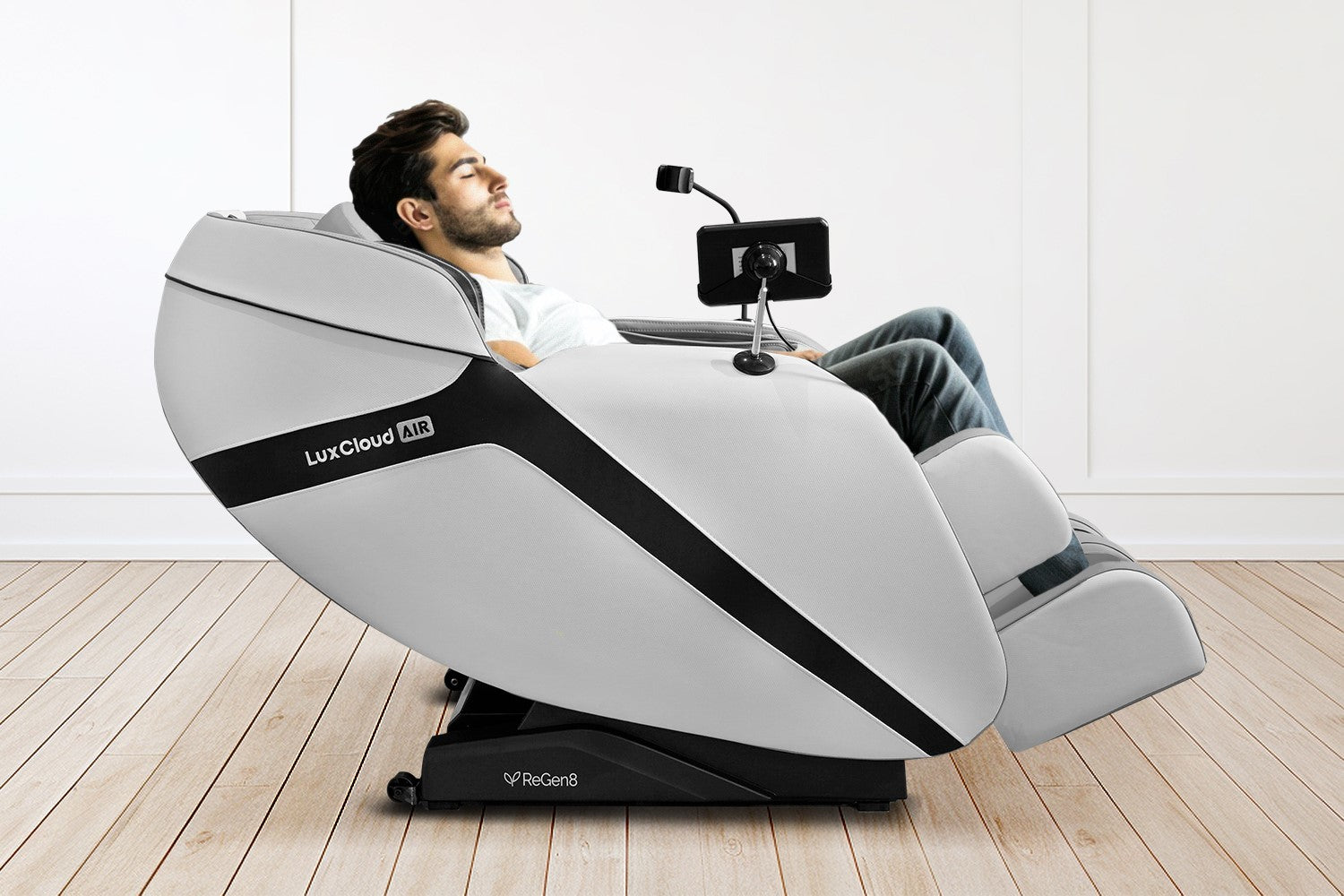
Automatic programs are prebuilt sequences that combine roller motions, air compression, recline, heat, and timing. Rather than requiring the user to choose every setting, the chair runs a planned routine designed around a broad goal, such as relaxation, recovery after activity, gentle stretching, or a focused neck-and-shoulder session.
When considering how does a massage chair work during an automatic program, think of it as a controller following a recipe. It tells the rollers where to move, when to knead or tap, which airbags to inflate, how long to pause in a zone, and whether to change the chair’s angle.
Credit: lifespanfitness.com.au
Common types of programs
- Full-body: Rotates through several areas, usually including the back and lower body.
- Relax: Often uses slower movements, gentler intensity, and broader coverage.
- Deep or strong: Usually emphasizes roller depth, tapping, or focused techniques.
- Neck and shoulder: Concentrates on the upper back, shoulder area, and neck region.
- Lower-back or waist: Focuses roller time around the lumbar area, sometimes with heat.
- Stretch: Coordinates airbags and reclining movement with roller massage.
- Leg or foot: Prioritizes calf compression, foot rollers, or sole pressure nodes where included.
Program names are marketing labels, not standardized treatment categories. A “recovery” program on one chair may feel completely different from a similarly named program on another. Review the available manual controls, because they tell you more about practical versatility than the number of automatic programs alone.
Recline, Zero Gravity, Heat, and Other Supporting Features
Rollers and airbags perform most of the massage work, but supporting features can change how the chair feels and how comfortably the body is positioned.
Recline and zero-gravity positions
A reclining chair shifts the user backward and usually raises the legs. This can reduce the feeling of sitting upright and may help the body settle into the chair. “Zero gravity” is a common marketing term for a reclined position that elevates the legs and distributes body weight more evenly across the chair.
The exact angle varies by model. A zero-gravity position does not make the chair weightless, and it is not necessary for every session. Some people prefer a moderate recline for reading, watching television, or receiving a lighter massage.
Heat therapy features
Many massage chairs include mild warming pads in the lumbar area, seat, calves, or feet. Heat can make a session feel more soothing and may help users relax, but it should not be treated as a cure for pain or a substitute for medical care.
Use heat cautiously if you have reduced sensation, circulation concerns, skin conditions, or difficulty sensing temperature. Never use a chair with damaged upholstery, exposed wiring, or a heat function that seems unusually hot.
Foot rollers and calf massage
Foot massage systems may use rollers, rotating nodes, textured pads, airbags, or a combination of these. Foot rollers often move beneath the soles, while airbags compress the sides or top of the feet. Calf sections may use airbags alone or combine air compression with kneading nodes.
Foot and calf mechanisms can feel intense because there is less padding between the moving parts and the body. Start at the lowest intensity. Some users prefer wearing socks or placing a thin cloth over the foot area if the sensation is too sharp.
What a Massage Chair Can and Cannot Do
A massage chair can provide a convenient way to enjoy mechanical massage, compression, reclining comfort, and heat at home. It may help some people feel temporarily more relaxed or less stiff after sitting, exercise, or everyday activity. Results are personal and depend on the chair, the program, body fit, and intensity settings.
However, a massage chair does not diagnose injuries or medical conditions, and it should not be considered a replacement for medical evaluation, physical therapy, or professional treatment. It cannot adapt with human judgment to sudden pain, swelling, nerve symptoms, or other warning signs.
Talk with a qualified clinician before using a massage chair if you are pregnant, have a pacemaker or implanted medical device, have a blood-clotting disorder, take anticoagulant medication, have severe osteoporosis, have had recent surgery, or have an acute injury. People with ongoing unexplained pain, numbness, weakness, or significant circulation problems should seek medical guidance rather than relying on chair massage.
How to Use a Massage Chair Comfortably and Safely
The best massage chair setting is not necessarily the strongest one. Start slowly, especially with a new chair or unfamiliar program. Comfort should improve during the session, not deteriorate as the rollers and airbags continue working.
- Position yourself fully against the backrest. Sit back so the body scan can locate the shoulders more accurately.
- Run the body scan and verify roller placement. Adjust the shoulder position before choosing an intense routine.
- Begin with low roller depth and low air pressure. Increase only if the massage remains comfortable.
- Choose a shorter session first. Give your body time to respond before using longer or stronger programs.
- Use cushions or pads only if the manual allows them. Extra padding can reduce intensity, but it may also interfere with scanning or moving parts.
- Stop if you feel pain or unusual symptoms. A massage should not cause sharp pain, numbness, tingling, or dizziness.
Keep children and pets away from moving sections, particularly the reclining backrest, leg rest, and rollers. Follow the manufacturer’s instructions for clearance behind and in front of the chair. Reclining massage chairs need room to move, and placing one too close to a wall can damage the chair or surrounding furniture.
Maintenance That Keeps the Mechanisms Working Properly
Massage chairs contain mechanical and electrical parts, so routine care matters. Wipe the upholstery with a soft cloth and a cleaner approved for the chair’s material. Avoid soaking seams, control panels, or areas near electrical components.
- Inspect the power cord and plug regularly for visible damage.
- Keep the chair on a stable, level floor.
- Do not exceed the manufacturer’s stated user limits.
- Do not force the leg rest, arm channels, or reclining sections by hand.
- Keep drinks, loose objects, and pet hair away from openings and moving mechanisms.
- Use the manufacturer’s recommended service provider for unusual noises, error messages, or movement problems.
If rollers begin knocking unexpectedly, airbags no longer inflate correctly, or the chair reclines unevenly, stop using it until the issue is assessed. Continuing to operate a malfunctioning chair can worsen the fault and may create a safety risk.
Credit: massagechairheaven.com
Frequently Asked Questions
Do massage chairs use real massage techniques?
Massage chairs mechanically imitate selected massage-like movements, such as kneading, rolling, tapping, compression, and stretching. The motions can feel relaxing, but they are programmed actions rather than the responsive touch and assessment provided by a qualified human practitioner.
Why do massage chair rollers sometimes feel uneven?
Uneven pressure can result from body position, an inaccurate shoulder scan, differences in muscle shape, worn padding, or a roller setting that is too deep. Reposition yourself, rerun the scan, lower the intensity, and use manual roller adjustment if available.
Can a massage chair be used every day?
Many people use a massage chair regularly at comfortable settings, but frequency should depend on how your body responds. Start with shorter, gentler sessions and reduce use if you feel sore or uncomfortable afterward. Follow the chair manufacturer’s guidance and seek clinical advice for relevant health concerns.
Do heavier users need a different type of massage chair?
Body size affects comfort, safety, and massage coverage. Check the manufacturer’s stated user limits, seat width, shoulder width range, leg-rest length, and recline clearance. A chair that fits properly is more important than one with the longest feature list.
What is the difference between a massage chair and a massage cushion?
A massage cushion is usually a portable pad focused on the back and sometimes the seat. A full massage chair typically adds a dedicated roller track, reclining frame, airbags, leg and foot massage, body scanning, and more adjustment options. A cushion takes less space, while a chair generally offers broader coverage.
Sources & References
Mechanisms, feature names and safety limits differ by model; verify them in the manufacturer’s documentation.
1 thought on “How Do Massage Chairs Work? Rollers, Airbags, Tracks and Programs Explained”