
Massage chair accessories can make a chair easier to use, more comfortable, cleaner, and less expensive to maintain over time. The most useful add-ons are not always the most obvious ones: a properly fitted floor mat, a washable headrest cover, or an approved replacement remote can matter more than decorative extras.
Before buying any massage chair accessory, check the chair’s brand, model number, production version, and manual. Many parts look similar but use different mounting points, plugs, control systems, or dimensions. A universal item may work for protective accessories, but functional replacement parts usually need to match the original chair.
This guide covers practical massage chair accessories, protective covers, replacement items, and the compatibility checks that can help you avoid wasted purchases or damage to the chair.
Massage Chair Accessories Worth Considering
The best accessories support a real need: protecting flooring, improving hygiene, making controls easier to use, or replacing a worn item without affecting chair function. Start with how and where the chair is used rather than buying accessories simply because they are available.
Floor mats and protective pads
A floor mat is one of the most practical massage chair accessories, especially for chairs placed on carpet, hardwood, laminate, vinyl, or other finished flooring. Massage chairs are heavy, and reclining models may shift their weight as the backrest and footrest move. Over time, that concentrated pressure can leave marks in soft flooring or compress carpet fibers.
A suitable mat can also make routine cleaning easier by catching dust, hair, and small debris that would otherwise collect beneath the chair. Choose a mat that is large enough to support the chair in its fully reclined position, not just its upright footprint.
- For carpet: Look for a firm mat that spreads weight and resists indentations.
- For hard floors: Choose a non-slip, non-staining material intended for the flooring type.
- For zero-gravity chairs: Leave room behind and in front of the chair for its full range of motion.
- For heated floors: Confirm that the mat material is safe for the surface and does not trap excessive heat.
A mat should lie flat. Folded, curled, or overly soft mats can become a tripping hazard or interfere with a chair’s movement.
Headrest, pillow, and upholstery covers
Protective covers help keep high-contact areas cleaner and can reduce wear from hair products, skin oils, makeup, sweat, and pet hair. The headrest and pillow usually benefit most because they touch the user’s head and neck during nearly every session.
Some chair brands sell fitted covers made for specific pillow designs. These are often the best option because they preserve access to zippers, clips, air vents, speakers, or control pockets. If an original cover is unavailable, a soft, breathable universal cover may work, but it should not be tight enough to pull on the pillow or slip during use.
A full massage chair cover is different from a small washable headrest cover. Full covers are mainly useful when the chair will be stored, used in a dusty room, or left unused for extended periods. They are not normally intended to remain on while the chair is operating.
Remote-control holders and organizers
Many massage chairs have a wired controller that rests in a side pocket, cradle, or magnetic holder. If that holder is missing or inconvenient, a simple organizer can keep the remote from falling between the chair and wall. This is particularly useful for chairs positioned in tight spaces where retrieving a dropped controller is difficult.
Use an organizer that attaches without blocking moving parts, ventilation openings, or side-panel controls. Avoid adhesive mounts unless the chair manufacturer approves them; some adhesives can discolor synthetic upholstery or leave residue that is hard to remove.
Power protection devices
A surge protector may help protect electronic equipment from certain power surges, but it is not automatically suitable for every massage chair. Some chair manufacturers specify whether the chair should be plugged directly into a grounded wall outlet or whether a particular type of surge protection is acceptable.
Follow the instructions in the chair manual first. Do not use a lightweight extension cord, overloaded power strip, damaged outlet, or adapter that defeats grounding. A massage chair includes motors, heaters, air pumps, and electronic controls, so its electrical needs are different from those of a phone charger or table lamp.
Choosing a Cover That Fits and Protects the Chair
A massage chair cover should protect the upholstery without creating moisture problems, stressing moving components, or trapping debris. The right cover depends on whether the chair is used every day, occasionally, or stored for a season.
Full covers for dust and storage
Full-size covers protect the chair from dust, sunlight, pet hair, and accidental spills when it is not in use. They are most helpful in guest rooms, vacation properties, multipurpose rooms, or homes where the chair may sit unused for weeks.
Measure the chair in its upright, powered-off position before selecting a cover. A cover that is too small can strain seams or snag on armrests and footrests. One that is excessively large may drag on the floor and collect dust.
Good cover features include:
- Breathable fabric that does not hold moisture against the upholstery
- Soft inner material that is unlikely to scratch plastic trim
- Elastic edges, ties, or adjustable straps that keep the cover in place
- Openings or a design that accommodates the chair’s shape without forcing it
- A washable construction when pets or household dust are a concern
Allow the chair to cool completely after any heated massage program before covering it. If the upholstery is damp from cleaning, wait until it is fully dry as well.
Washable contact covers for regular use
For a chair used by several people, washable covers for the head pillow, neck pad, arm areas, or foot wells are often more useful than a full cover. They create a removable hygiene layer while allowing normal operation.
Use thin, flexible materials. Thick padding can change how the rollers, airbags, calf massagers, or foot rollers feel. It can also interfere with body scanning if it alters the position of the user’s back, shoulders, or neck.
Do not place loose towels, blankets, or bulky cushions inside the chair unless the manufacturer says they are safe to use. They may bunch up, block airbags, reduce roller contact, or become caught in moving sections.
Sun and heat protection
Direct sunlight can fade upholstery and may make synthetic materials feel dry or stiff over time. A cover can help when a chair is near a bright window, but moving the chair away from strong sun or using window coverings is usually a more reliable solution.
Keep the chair away from radiators, fireplaces, portable heaters, damp basements, and areas with high humidity. A cover cannot correct a poor storage environment, and it should never be used to conceal moisture damage.
Replacement Parts That Commonly Wear Out
Massage chairs contain both soft, user-facing components and model-specific mechanical or electronic parts. Cosmetic items may sometimes be replaced with compatible alternatives. Parts that control power, movement, massage functions, or safety should generally be sourced through the manufacturer, an authorized service provider, or a supplier that clearly identifies compatible models.
| Replacement item | Why it may need replacement | What to verify before buying |
|---|---|---|
| Head pillow or neck pad | Flattening, peeling, staining, or worn fasteners | Attachment style, dimensions, upholstery color, and access to speakers or zippers |
| Remote control | Cracked screen, worn buttons, cable damage, or loss | Exact chair model, connector type, software compatibility, and part number |
| Remote holder or cradle | Broken clip, stretched pocket, or missing mount | Mounting method and whether it blocks chair controls |
| Power cord | Visible wear, bent plug, cuts, or intermittent power | Manufacturer-approved type, connector, rating, and grounding requirements |
| Upholstery panels or arm covers | Peeling, tears, stains, or pet damage | Model-specific shape, fastening points, and whether replacement requires disassembly |
| Foot pads or removable inserts | Wear from repeated use, odor, cracking, or loss | Footwell dimensions, attachment system, and compatibility with rollers or airbags |
Credit: contegospa.com
Head pillows, neck pads, and back cushions
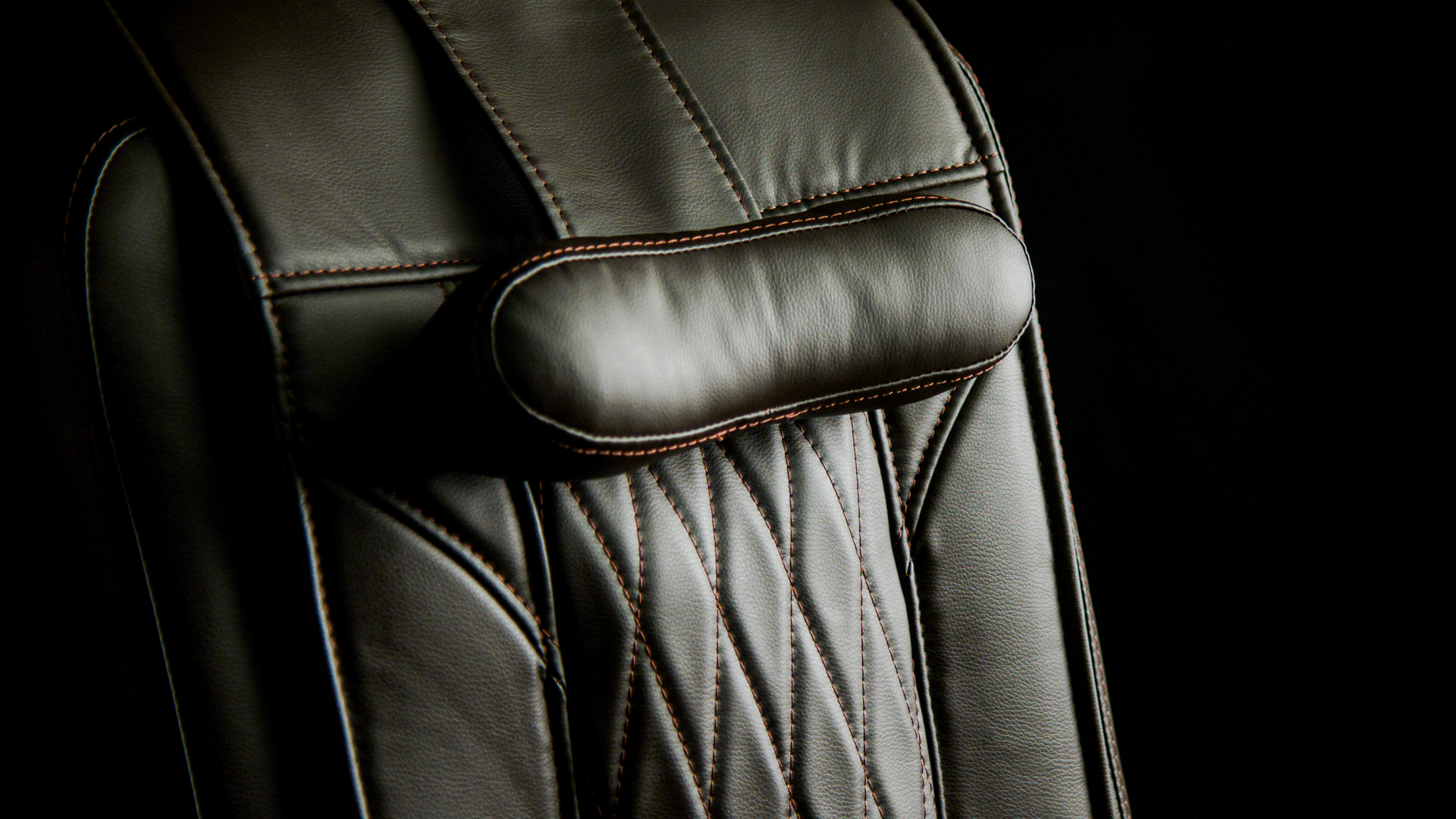
Head pillows and neck pads affect comfort more than many owners realize. A thick pillow can soften the sensation of neck and upper-back rollers, while a thinner pillow can make the massage feel more direct. If the original pad has compressed, a replacement may restore the chair’s intended feel.
However, more padding is not always better. An overly thick replacement can push the head forward, reduce comfortable neck alignment, or prevent a user from sitting naturally against the backrest. Choose a replacement designed for the chair whenever possible.
If the chair has a removable back pad, check whether it is intended to be removed during use. Some designs allow users to adjust massage intensity by changing layers, while others rely on the pad as part of the seating structure.
Remote controls and control cables
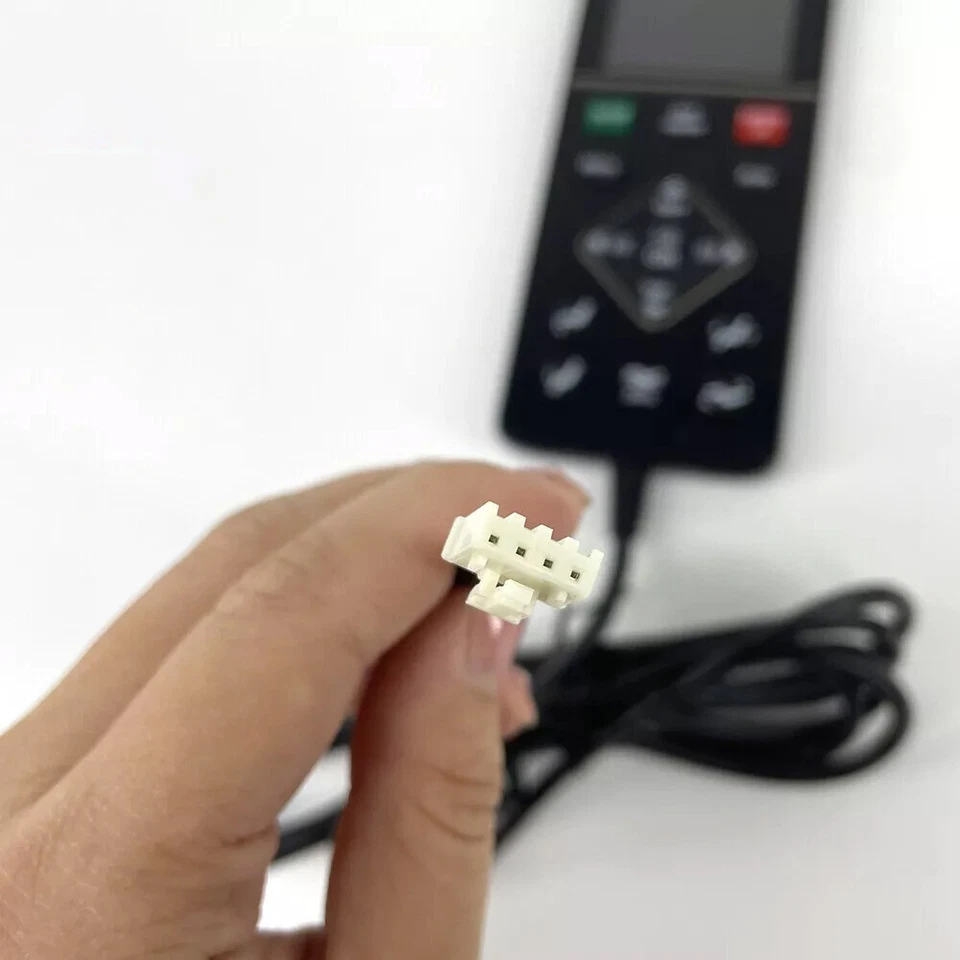
A replacement remote should be treated as an electronic component, not a generic accessory. Even chairs from the same brand can use different button layouts, connectors, firmware, and communication systems. A controller that physically plugs in may still fail to operate correctly.
Before ordering, locate the chair’s model label and the part number printed on the original controller or cable, if available. Contact the manufacturer or an authorized parts source when there is any uncertainty.
Do not continue using a remote cable with exposed wires, crushed sections, loose plugs, or unreliable operation. Turn off and unplug the chair before inspecting accessible cables. Internal wiring and electronics should be handled by a qualified technician unless the manual specifically provides a safe owner-replacement procedure.
Footwell liners and calf-massage inserts
Foot and calf areas receive heavy use and can collect more dust, lint, and skin debris than other sections of the chair. Some models use removable pads, liners, socks, or inserts that can be cleaned or replaced. These items can improve hygiene and may protect the underlying material from wear.
Only use inserts designed for the chair’s footwell. A loose aftermarket pad can obstruct rollers, air cells, or moving foot mechanisms. If the chair includes washable fabric liners, follow the care label and allow them to dry completely before reinstalling them.
Upholstery repair components
Peeling, cracking, and small tears are common concerns with older synthetic leather upholstery. Minor surface damage may be addressed with a repair product intended for the material, but results vary widely. Color matching, flexibility, and adhesion are difficult to predict, especially on high-stretch areas such as armrests and footrests.
For large tears, detached panels, damaged stitching, or peeling that exposes internal foam, professional upholstery repair or manufacturer replacement panels may be the better option. Covering major damage with tape or a thick slipcover can affect chair movement and may hide a problem that continues to worsen.
How to Check Compatibility Before You Order
Compatibility is the main difference between a useful purchase and an accessory that cannot be installed or used safely. Do not rely on product photos alone, especially for remotes, cables, foot inserts, and upholstered parts.
- Find the exact model identification. Look for a label on the rear, side, underside, or inside an accessible panel. Record the model name, model number, serial number, and manufacturing date if shown.
- Check the owner’s manual. Manuals often list approved replacement parts, cleaning restrictions, electrical requirements, and service contact information.
- Compare attachment points. Check zippers, Velcro-style fasteners, snaps, clips, rails, screw locations, and cable ports.
- Measure physical accessories. For covers, mats, pillows, and foot liners, compare width, depth, height, and clearance around moving sections.
- Confirm electrical details. For remotes, power cords, adapters, and control cables, match the part number and connector specifications exactly.
- Ask before opening sealed electrical parts. Returns may be limited once electronic parts have been installed or unpackaged.
When contacting a parts department, provide clear photographs of the part and its connector, along with the chair model information. This is more reliable than describing a remote as “similar” or a cable as “the same size.”
Credit: senior.com
Accessories to Avoid or Use With Caution
Not every add-on improves a massage chair. Some products can reduce comfort, interfere with movement, or create avoidable electrical and safety issues.
Bulky cushions and thick seat pads
A thick seat cushion may sound appealing, but it can change the user’s position relative to the rollers and airbags. It may also reduce the effectiveness of body scanning, increase pressure at the edge of the seat, or interfere with mechanisms under the cushion.
If the chair feels too intense, first use its built-in intensity, width, speed, air-pressure, or recline settings where available. A thin manufacturer-approved pad is preferable to adding a large cushion.
Unapproved heaters, massagers, and vibration pads
Do not place plug-in heating pads, vibrating mats, or battery-powered massage devices inside or beneath a massage chair unless the chair manufacturer explicitly approves them. Extra devices can trap heat, pinch cords, affect sensors, and create a more complicated electrical setup.
A massage chair’s built-in heat function, where included, should be used according to its instructions. It is designed as a comfort feature and is not a substitute for medical care.
Extension cords and overloaded power strips
Massage chairs should be connected according to the manufacturer’s electrical instructions. Improper extension cords and overloaded strips can overheat or deliver unreliable power. If the wall outlet is too far away, consult a qualified electrician about a suitable outlet location instead of routing a temporary cord across the floor.
Strong cleaners and improvised protectants
Household bleach, abrasive cleaners, alcohol-heavy products, solvents, and oily sprays can damage upholstery, plastics, or printed control labels. They may also leave residue on surfaces that touch skin. Use the cleaning method recommended in the manual, typically involving a soft cloth and a mild, appropriate cleaner.
Test any approved upholstery cleaner on an inconspicuous area first. Never spray liquid directly into seams, remote controls, speakers, vents, or mechanical openings.
Maintenance Items That Help Accessories Last Longer
Replacement parts are less likely to be needed early when the chair is cleaned and used carefully. Basic maintenance does not require special equipment, but it does require consistency.
- Vacuum around and beneath the chair with a soft brush attachment to remove dust and hair.
- Wipe high-contact surfaces regularly using the care method specified by the manufacturer.
- Wash removable covers and liners according to their care instructions.
- Keep drinks, sharp objects, belts, and pet claws away from upholstery.
- Check cables, plugs, and remote holders occasionally for visible wear.
- Leave adequate clearance around the chair so reclining parts do not rub against walls or furniture.
- Unplug the chair before cleaning accessible electrical areas or inspecting a suspected cable issue.
If the chair begins making unusual noises, stops reclining evenly, displays a persistent error message, smells hot, or loses power intermittently, stop using it and consult the manufacturer or a qualified service technician. Accessories cannot solve an underlying mechanical or electrical fault.
When Original Parts Are the Better Choice
Original manufacturer parts are usually worth prioritizing for controllers, power components, internal cables, air hoses, roller-related parts, motors, circuit boards, and fitted upholstery sections. These components influence how the chair operates and may affect safety, warranty coverage, or serviceability.
Aftermarket options can be reasonable for low-risk items such as floor mats, storage covers, soft headrest protectors, and nearby organizers. Even then, confirm that the accessory will not block vents, restrict reclining motion, stain the upholstery, or create a tripping hazard.
The most sensible approach is simple: use universal accessories for protection and convenience, but use verified model-specific parts for anything connected to the chair’s structure, controls, or electrical system.
Credit: senior.com
Frequently Asked Questions
Can a massage chair be used without its head pillow?
That depends on the chair design and the manufacturer’s instructions. Some removable pillows are intended to let users adjust the feel of upper-back and neck massage. Others contribute to normal support and should remain installed. If removing the pillow makes the chair uncomfortable or changes posture noticeably, reinstall it or use a thinner approved replacement.
How often should a massage chair cover be washed?
Wash frequency depends on use, household conditions, and the cover material. A removable contact cover may need more frequent cleaning in a shared household, while a full storage cover may only need washing when visibly dusty or soiled. Always follow the fabric care label, since high heat can shrink elastic edges or damage backing materials.
Is it safe to put a massage chair on a rug?
It can be, provided the rug is flat, stable, and large enough to support the chair without bunching under its base or moving sections. Thick, soft rugs may make a chair less stable or allow deeper impressions. A firm protective mat placed over suitable carpeting or flooring can provide a more even surface.
What should I do if I cannot find a replacement remote?
Start with the chair manufacturer, an authorized dealer, or an authorized repair provider. Provide the exact model number, serial number, and photos of the old controller and connector. If an original remote is discontinued, the manufacturer may identify a compatible replacement or recommend a service solution. Avoid buying a visually similar remote without confirmation.
Can I store a massage chair in a garage or basement?
Only if the space stays clean, dry, and within the environmental conditions stated in the manual. Garages and basements can expose the chair to humidity, temperature swings, dust, and pests that harm upholstery and electronics. For long-term storage, clean the chair, let it dry fully, cover it with breathable material, and avoid placing heavy objects on it.