
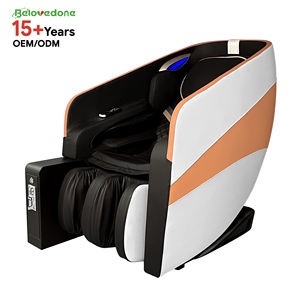
A commercial massage chair with bill acceptor is designed for paid public use in locations such as malls, airports, hotels, salons, entertainment venues, laundromats, and transit areas. Unlike a home massage chair, it combines a massage system with payment hardware, session controls, commercial-duty construction, and operational features that help an owner manage revenue and customer access.
The bill acceptor is often the feature that separates a simple public-use massage chair from a true vending or coin-operated model. It lets customers pay with paper currency, but the overall purchase decision involves far more than the payment method. Massage quality, reliability, space requirements, security, servicing, and local business rules can have a greater effect on whether the chair is practical in a commercial setting.
Before buying, clarify where the chair will operate, who will use it, how payments will be collected, and who will handle maintenance. A model that works well in a quiet hotel lobby may not be the best fit for a high-traffic shopping center or an unattended waiting area.
What Makes a Massage Chair Commercial?
A commercial massage chair is built and configured for repeated use by multiple people, usually with paid sessions. It may look similar to a residential massage chair, but its priorities are different. The owner needs dependable operation, straightforward customer controls, secure payment collection, and components that can tolerate frequent use.
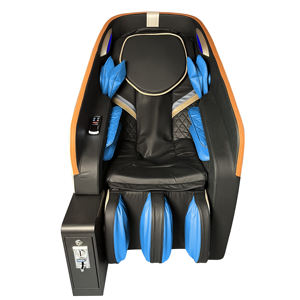
A commercial massage chair with bill acceptor typically includes a timed payment system. After a customer inserts an accepted bill, the controller activates a preset massage program for the selected duration. Depending on the model, the customer may be able to choose from a small set of programs or intensities, while the operator sets the price and session length through an internal control panel or service menu.
Commercial models can be sold as complete vending massage chairs, while other chairs use an add-on payment box. An integrated system is generally cleaner and easier for customers to understand. However, a separate payment module may offer more flexibility when replacing or upgrading payment hardware.
Key Features to Look For
The best feature set depends on the site and expected customer volume. Still, several components deserve close attention because they affect both customer satisfaction and day-to-day operation.
Bill Acceptor and Payment Controls
The bill acceptor should be considered part of the chair’s operating system, not just a cash slot. It needs to recognize the currency used in the location, reject damaged or invalid notes appropriately, and communicate reliably with the session timer.
Important questions to ask include:
- Which bill denominations does the acceptor recognize?
- Is it configured for the correct country and currency?
- Does it accept bills only, or can it be paired with coin, card, QR-code, or contactless payment options?
- Can the owner set different prices and massage durations?
- Does the machine provide change, or should pricing avoid the need for change?
- How is the cashbox accessed and secured?
- Can the bill acceptor be serviced or replaced without disassembling major chair components?
A bills-only setup can be simple, but it may reduce sales where customers mainly use cards or mobile wallets. In many public venues, a combination of cash and cashless payment methods is more convenient. If a chair supports card or digital payments, confirm any ongoing processing fees, connectivity requirements, and merchant-account obligations before purchase.
Massage Mechanism and Programs
Commercial chairs vary widely in the type of massage they provide. Some use fixed-position vibration or basic rolling mechanisms, while more advanced chairs may include moving rollers, air compression bags, calf massage, heat, and reclining functions.
More features do not automatically make a chair a better commercial investment. A public-use chair should provide a comfortable, understandable experience within a short paid session. Customers often value a reliable back, shoulder, and lower-body massage more than a long menu of settings they may not have time to explore.
Look for clearly defined massage zones and programs. A good commercial interface usually limits choices to a few easy options, such as full body, upper body, lower body, or relaxation. Complex menus can frustrate first-time users and create more support questions for staff.
Session Timer and Vending Logic
The timer controls when a paid session begins and ends. It may also prevent chair use until payment is accepted. This sounds simple, but the programming options can make a meaningful operational difference.
Useful controls may include adjustable session lengths, multiple pricing tiers, a free-play mode for promotions, and a way to pause or reset a session during maintenance. For example, a hotel may want to offer complimentary short sessions for guests at certain times, while a mall operator may prefer a single fixed-price session.
Ask how the chair behaves if power is interrupted. Ideally, the vendor should explain whether paid time is retained, restarted, or lost after an outage. This is especially important in unattended locations, where a customer may have no employee available to help.
Commercial-Grade Upholstery and Frame Construction
Public seating experiences more wear than furniture used by one household. The chair’s exterior should be easy to wipe down and resistant to routine cleaning products approved by the manufacturer. Seams, foot wells, arm areas, head cushions, and control panels are common wear points.
Ask what material covers the chair, whether high-contact pads can be replaced, and how replacement parts are ordered. A chair may be described as commercial, yet still have cosmetic components that are difficult to replace. Accessible spare parts can reduce downtime and extend the usable life of the machine.
The frame and reclining mechanism also matter. Customers of different heights and body types will use the chair, sometimes less gently than an owner would at home. Verify the manufacturer’s stated user-size guidance and weight capacity rather than assuming every commercial model fits every customer.
Customer Controls and Accessibility
Customers should be able to understand the chair without instructions from staff. Large, clearly marked payment and start controls are helpful, especially in busy or noisy environments. If the chair offers language selection, make sure it matches the likely audience at the location.
Consider the practical process of entering and exiting the chair. Deep recline positions, narrow arm openings, high seat edges, and tight foot wells may make some models harder to use for people with limited mobility. A commercial installation should not block walkways or create a tripping risk from cords, footrests, or recline movement.
Massage chairs are comfort products, not medical devices. Their descriptions should avoid implying that a paid massage session diagnoses, treats, or cures health conditions. Posting sensible user guidance and following the manufacturer’s safety instructions is more appropriate than making health promises.
Security Features
Cash collection creates security considerations that do not apply to a standard massage chair. The bill stacker or cashbox should have a lockable compartment, and access should be limited to authorized staff. In unattended locations, the chair itself may need to be anchored or positioned where theft and tampering are less likely.
Security also includes protecting the machine from accidental damage. Place it away from direct door traffic, beverage stations, and areas where carts or luggage may strike it. If the location has cameras, positioning the chair within normal camera coverage can discourage misuse while also helping resolve payment disputes.
Practical Differences Between Commercial and Residential Massage Chairs
A residential massage chair may have more sophisticated wellness features than an entry-level vending unit, but that does not necessarily make it suitable for public paid use. The key difference is operational design.
| Factor | Commercial Massage Chair | Typical Residential Massage Chair |
|---|---|---|
| Payment system | Designed for timed paid use, often with a bill acceptor or vending controller | Normally no payment hardware |
| User interface | Simplified for unfamiliar users and short sessions | May have detailed remote controls and personalized settings |
| Usage pattern | Frequent use by many different people | Use by one household or a limited group |
| Revenue management | May include cash collection, pricing, usage counts, or payment reporting | No built-in revenue features |
| Maintenance priority | Fast cleaning, service access, and reduced downtime are important | Comfort features may receive more emphasis than operator access |
| Placement concerns | Security, customer flow, noise, and public visibility matter | Room décor, personal comfort, and household space matter most |
Some business owners consider installing a residential chair with an external bill acceptor to lower upfront cost. That approach can work in limited circumstances, but it creates potential compatibility and warranty issues. The chair may not be rated for public traffic, the timer may not integrate cleanly with its controls, and repairs may be more difficult. Confirm in writing whether the chair and payment modification are approved for the intended commercial use.
Credit: alibaba.com
Choosing the Right Payment Setup
A bill acceptor remains useful in cash-heavy venues, but payment preferences differ by location. The right setup should reflect how customers already pay in that environment.
Bill Acceptor Only
A cash-only chair can be easier to operate because it does not require payment processing accounts, network service, or transaction software. It can suit locations where staff regularly handle cash and customers commonly carry small bills.
The main limitation is lost convenience. Customers without cash cannot use the chair, and the operator must collect money securely. A machine that does not make change should have clearly displayed pricing that matches commonly accepted denominations.
Bill Acceptor With Coin Acceptance
Adding coin acceptance can make a lower-priced session easier to sell and may help in coin-friendly settings. However, coin mechanisms add another component to clean, empty, and service. They can also increase the chance of jams when used heavily or when customers insert unsuitable coins.
Cashless or Hybrid Payments
Cashless options can reduce the need for collections and may improve convenience, particularly in airports, modern retail environments, universities, and venues with limited staff. A hybrid system gives customers more than one way to pay, but it also adds setup complexity.
Before selecting a card or mobile payment solution, check whether the chair needs Wi-Fi, cellular connectivity, a separate modem, or a compatible terminal. Confirm who owns the merchant account, how refunds are handled, and what happens when the connection is unavailable.
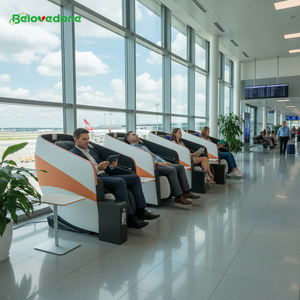
Location Planning: Where a Paid Massage Chair Works Best
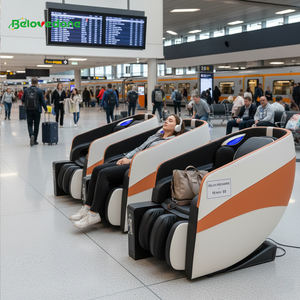
A chair’s earning potential depends heavily on visibility, dwell time, and customer comfort. A high-traffic area is not automatically ideal if people are rushing through it or if the environment makes a relaxing session unpleasant.
Strong placements often share several characteristics:
- People wait, rest, shop, or spend discretionary time nearby.
- The chair is visible without obstructing entrances, exits, or walkways.
- There is enough room for full recline and safe access around the chair.
- A nearby electrical outlet can support the chair without extension-cord hazards.
- Staff or security can observe the area periodically.
- Noise, heat, and foot traffic are manageable enough for a relaxing session.
Measure the chair’s upright footprint and its fully reclined clearance before committing to a space. Do not rely only on the floor area beneath the chair. Many massage chairs move backward, forward, or outward as they recline, and footrests can extend toward a walkway. Also account for customer entry space, cleaning access, and access to the rear or side service panels.
Credit: alibaba.com
Operating Costs Beyond the Purchase Price
The chair’s purchase price is only one part of the business decision. A realistic budget should include delivery, installation, electrical preparation, payment-system setup, routine cleaning, cash collection, replacement parts, repairs, and possible venue fees or revenue sharing.
If the chair is placed in someone else’s business, clarify the arrangement before installation. The venue may charge rent, request a percentage of sales, require insurance, or set rules about appearance, operating hours, noise, and maintenance. A written agreement helps establish who supplies power, who responds to customer complaints, and who is responsible if the chair must be moved.
Revenue estimates should be conservative. Rather than assuming constant use, consider the likely number of paying customers during normal and slow periods, the chosen session price, payment fees, and expected downtime. A chair that receives modest but steady use and is easy to maintain can be a better investment than a feature-heavy model with high repair needs.
Maintenance and Hygiene Requirements
Commercial chairs need a routine maintenance plan from the day they are installed. Waiting for a problem to occur can lead to longer downtime and a poorer customer impression.
Daily or Frequent Tasks
- Wipe contact surfaces using manufacturer-approved cleaning methods.
- Inspect the seat, armrests, foot area, and controls for damage or spills.
- Check that the payment opening is clear and readable.
- Confirm the chair starts and stops as expected.
- Remove litter from the surrounding area.
Scheduled Service Tasks
- Empty and reconcile the cashbox according to a secure collection procedure.
- Inspect power cords, plugs, and visible wiring for wear.
- Check fasteners, upholstery seams, moving sections, and recline operation.
- Review payment-device instructions for cleaning and maintenance.
- Keep records of faults, repairs, collections, and parts replaced.
Do not use harsh cleaners, excessive liquid, or unapproved solvents on upholstery, displays, or payment hardware. They can damage finishes, interfere with sensors, or create an electrical hazard. Always follow the chair manufacturer’s cleaning and service instructions.
Questions to Ask a Supplier Before You Buy
Supplier support can matter as much as the chair’s feature list. Ask specific questions before ordering, particularly if the chair will operate unattended or far from the seller’s service network.
- Is this exact model intended and warranted for commercial paid use?
- What payment hardware is included, and what currency is it configured to accept?
- Can the owner adjust prices, session time, and available programs?
- What happens if a bill is accepted but the chair does not begin a session?
- Which parts are most likely to require replacement, and are they stocked?
- Is technical support available for payment-system faults as well as massage-chair faults?
- Who performs warranty labor, and are on-site repairs available in the intended area?
- What electrical requirements, clearances, and installation conditions apply?
- Can the chair operate safely in the planned venue, including local accessibility and fire-safety requirements?
- Are there manuals for the owner, staff, and payment-system servicing?
A supplier should be able to provide clear answers without relying on vague claims about durability or earnings. If information about warranty coverage, parts availability, or payment compatibility is unclear, treat that as a reason to investigate further before placing an order.
Common Buying Mistakes to Avoid
The most expensive mistake is choosing a chair solely because it has a bill acceptor. Payment collection is important, but it does not compensate for poor fit, weak service support, awkward placement, or an unreliable massage mechanism.
- Ignoring local payment behavior: A cash-only machine may struggle in a location where most customers pay digitally.
- Underestimating clearance: Recline space, footrest extension, and service access need to be measured in advance.
- Buying for features rather than uptime: A simpler chair with accessible parts may be more suitable for frequent public use.
- Skipping the venue agreement: Revenue sharing, electricity, insurance, and maintenance responsibilities should be clear.
- Overlooking cleaning: Public users expect visibly clean seating, especially on headrests, armrests, and foot areas.
- Assuming universal fit: Check the stated user limits and test accessibility where possible.
- Promising medical results: Market the chair as a comfort and relaxation service, not a substitute for medical care.
Credit: alibaba.com
Making a Sound Purchase Decision
The right commercial massage chair with bill acceptor is one that fits the payment habits, traffic pattern, and service resources of its intended location. Start with the venue rather than the chair: determine available space, electrical access, customer dwell time, supervision level, and preferred payment methods. Then compare models based on commercial warranty terms, user comfort, payment reliability, cleaning needs, and access to replacement parts.
A well-chosen model should be easy for customers to use, simple for staff to clean and monitor, and practical to repair when necessary. Those operational details are usually more valuable over time than a long list of massage modes.
Frequently Asked Questions
Can a bill acceptor be added to an existing massage chair?
It may be possible, but compatibility is not guaranteed. The payment timer must work safely with the chair’s power and control system, and modifying the chair can affect warranty coverage. Confirm that both the chair manufacturer and payment-system supplier support the intended setup.
How often should cash be collected from a vending massage chair?
Collection frequency depends on traffic, pricing, cashbox capacity, and security risk. High-traffic locations may need more frequent collection, while low-volume sites may need less. Establish a documented collection schedule and reconcile cash against recorded sessions when that data is available.
Does a commercial massage chair need a dedicated electrical circuit?
Requirements vary by model and local electrical rules. Some chairs can use a standard properly grounded outlet, while others may have specific circuit recommendations. Check the manufacturer’s electrical specifications and consult a qualified electrician when the installation conditions are uncertain.
What should happen if a customer pays but the chair does not start?
Have a visible contact method or venue-staff procedure for handling payment disputes. The operator should also know how to check the payment controller, power supply, and session timer. Clear refund procedures protect customer trust and help staff respond consistently.
Is leasing better than buying a commercial massage chair?
Leasing can reduce the upfront cost and may include service in some agreements, but total long-term cost and contract terms can be higher or more restrictive. Buying provides more control but places maintenance and repair responsibility on the owner. Compare the full agreement, not just the monthly payment.