
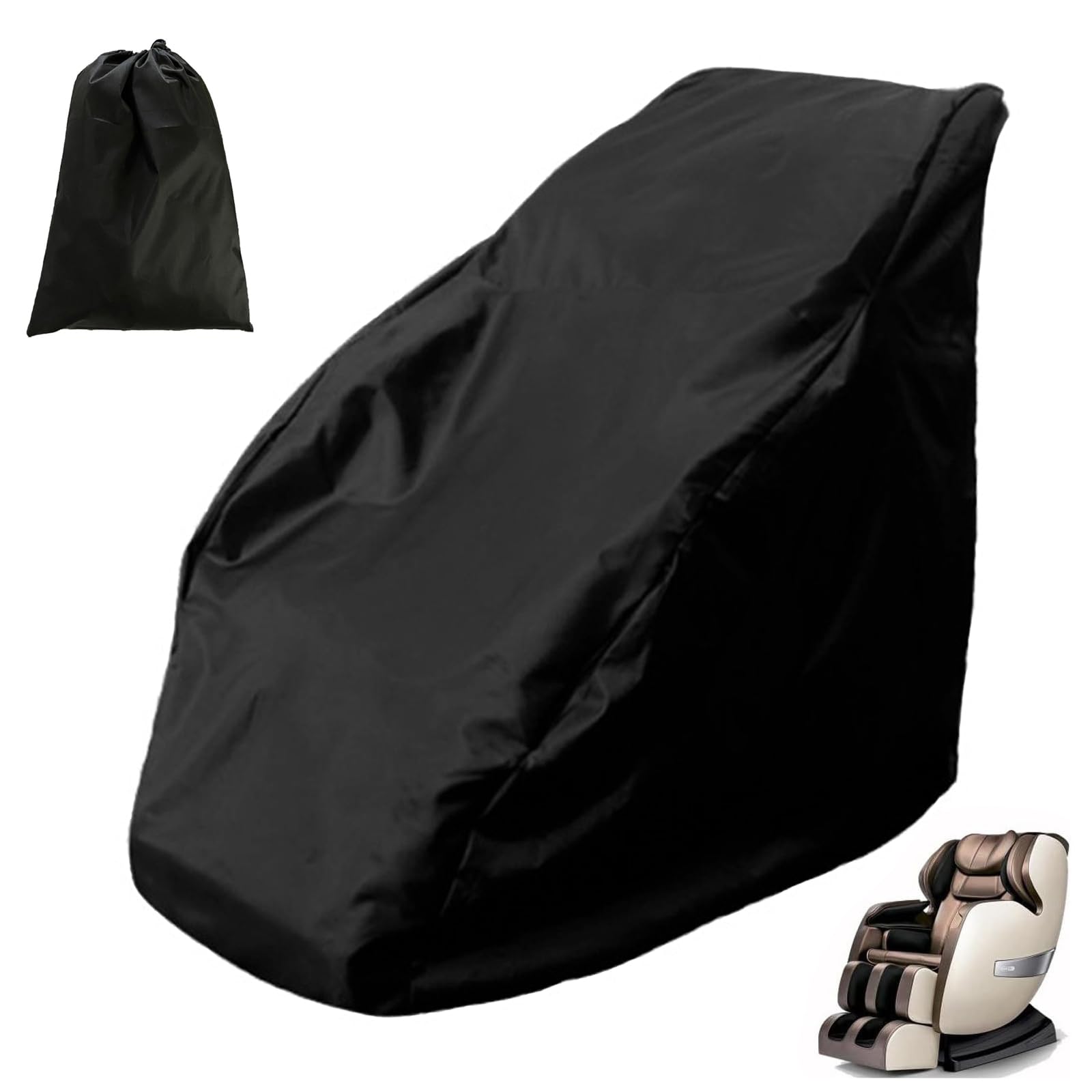
A massage chair cover can protect an expensive chair from dust, sunlight, pet hair, spills, and everyday wear. It can also refresh the look of a chair with peeling or faded upholstery—but only if it fits correctly and does not interfere with moving parts, controls, vents, or massage functions.
Not all massage chair covers serve the same purpose. A loose protective cover used while the chair is off is very different from a fitted cover designed to remain on during use. Likewise, replacing a damaged upholstery panel is not the same as buying a universal slipcover. Understanding those differences helps prevent poor fit, trapped heat, and unnecessary damage.
This guide explains how to choose, measure, clean, maintain, and replace massage chair covers while keeping the chair comfortable and functional.
Choose the Right Type of Massage Chair Cover
Before comparing fabrics or colors, decide what job the cover needs to do. The best option depends on whether you want simple storage protection, a washable surface layer, or a true massage chair cover replacement for worn upholstery.
Storage and dust covers
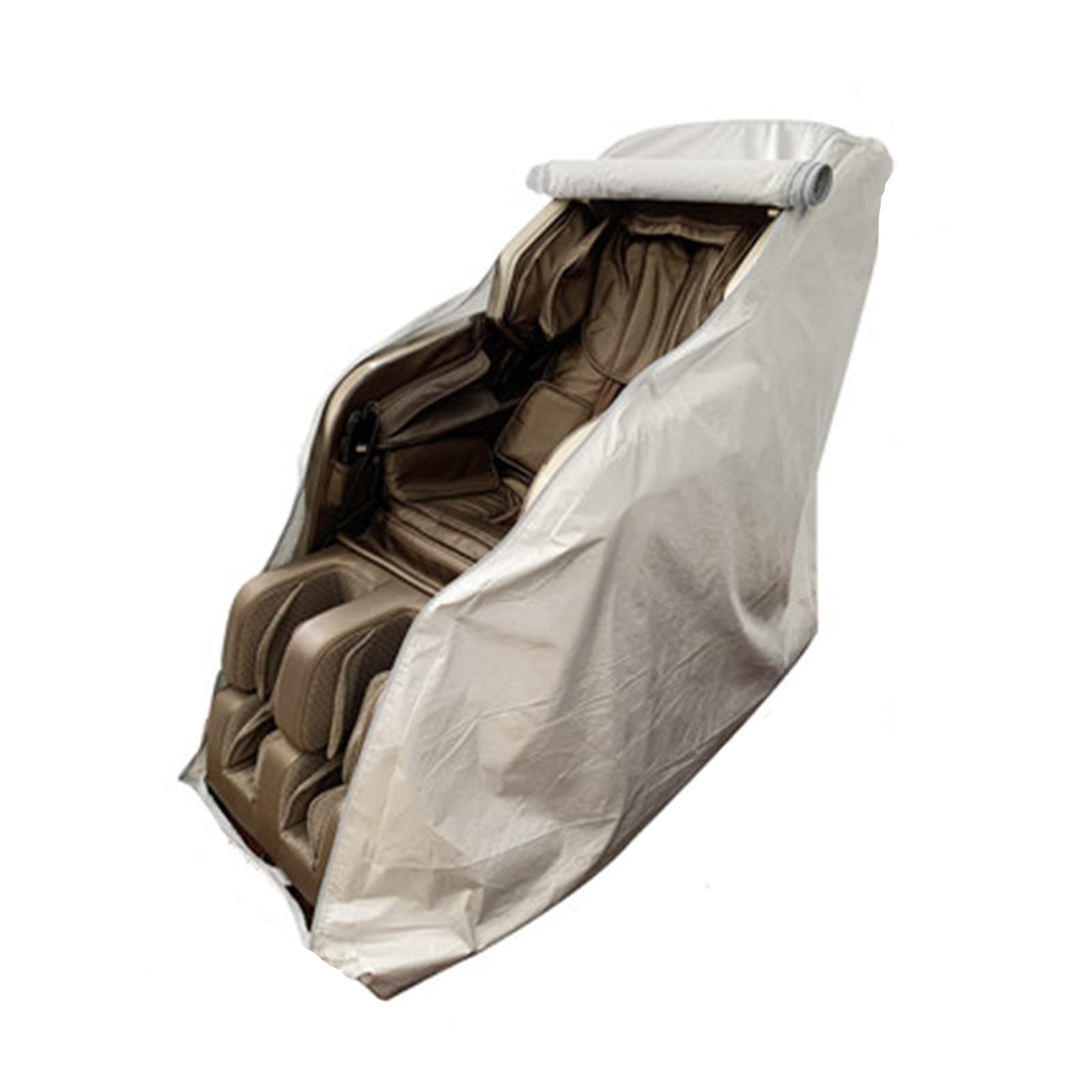
Storage covers are usually loose-fitting and intended for use when the chair is not operating. They protect the exterior from dust, pet hair, light debris, and some sun exposure. A storage cover is useful in a guest room, second home, showroom, or any space where the chair sits unused for extended periods.
These covers should be removed before using the chair unless the manufacturer specifically states otherwise. A loose cover can bunch around the footrest, catch in recline mechanisms, restrict airbags, or block sensors.
Fitted slipcovers for everyday protection
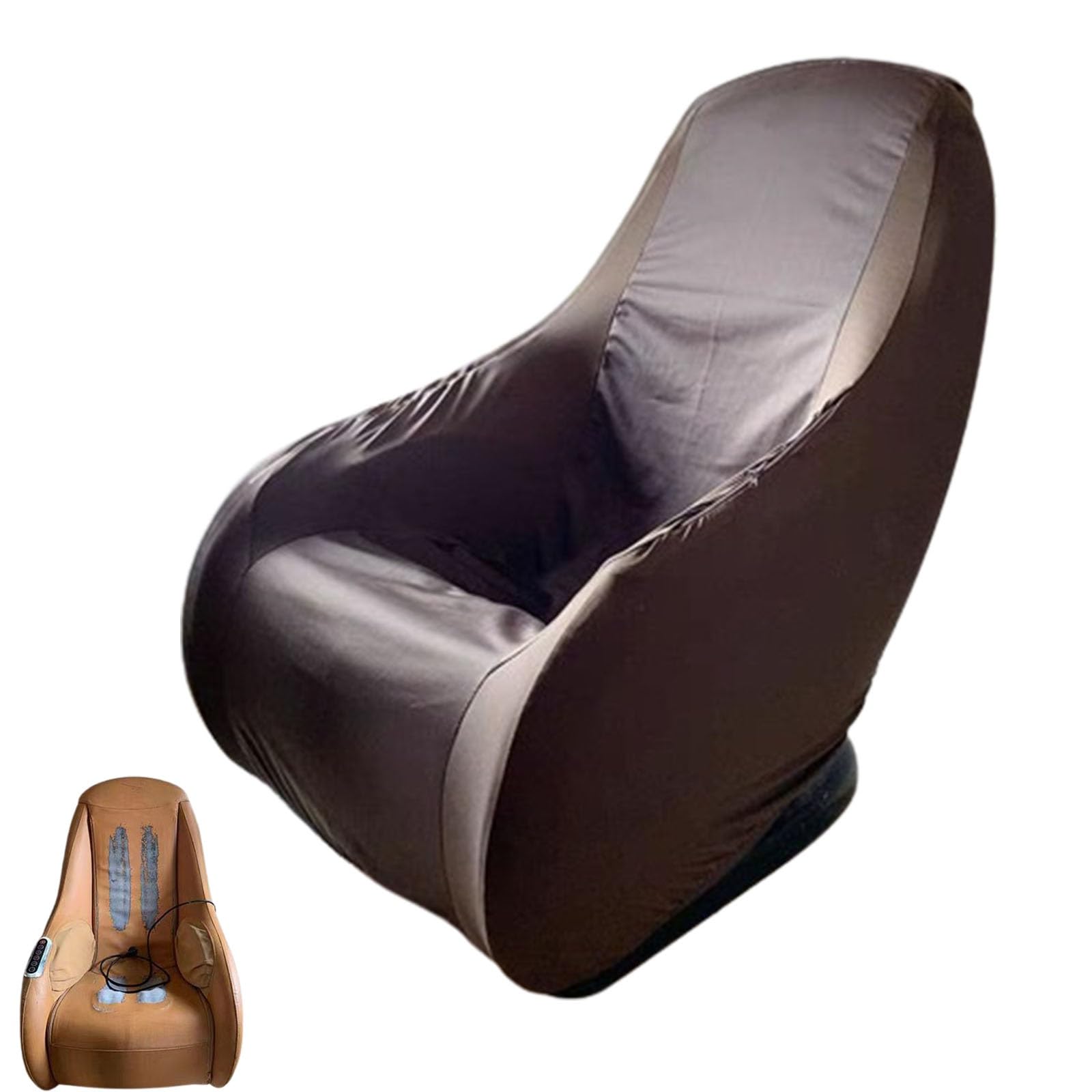
Fitted massage chair covers are shaped more closely to the chair and may include elastic edges, straps, separate headrest pieces, or openings for controls. Some are designed to stay in place during light use, although this is only appropriate when the cover does not obstruct rollers, airbags, heat zones, speakers, remote docks, or recline movement.
A fitted cover is often chosen for homes with pets, children, or frequent visitors. It can reduce direct contact with the original upholstery and make routine cleanup easier. However, a cover should never make the chair feel tight, limit movement, or create folds that press against the body during a massage.
Replacement upholstery and manufacturer parts
A massage chair cover replacement may refer to an original replacement part rather than a slipcover. Depending on the chair, this could be a removable head pillow cover, neck pad, seat pad, armrest panel, footwell liner, or a larger upholstery assembly.
Manufacturer-specific parts are generally the best choice when a removable component is torn, worn, or stained beyond cleaning. They are designed around the chair’s attachment points and moving sections. Universal covers may hide cosmetic damage, but they cannot restore damaged padding, repair cracked synthetic leather, or safely replace a structural upholstery panel.
Why Fit Matters More Than Color
Massage chairs have more complex shapes than standard recliners. Their shoulder modules, arm channels, calf wells, foot rollers, tablet or remote mounts, and zero-gravity recline mechanisms all affect cover fit. A cover that looks acceptable while the chair is upright may become unsafe or uncomfortable when the chair reclines.
Measure the chair before ordering
Do not rely only on a product photo or a vague “universal” label. Measure the chair in its fully upright position, then check its clearance and shape when reclined. Record the dimensions requested by the cover seller, which commonly include:
- Overall height from floor to the highest point of the backrest
- Maximum width across armrests or side pods
- Depth from the back of the chair to the front of the footrest when closed
- Footrest width and length, especially if it extends or separates into calf sections
- Backrest shape, including prominent shoulder cushions or headrest wings
- Locations of remotes, power switches, charging ports, speakers, and ventilation openings
Also check the chair manual for its recommended operating clearance. A thick cover that hangs behind the chair may interfere with wall-hugging recline designs or become pinched between the chair and wall.
Look for coverage without restriction
A good fit is snug enough not to slip but loose enough to move with the chair. Covers should not pull tightly over the arms, shoulder area, or footrest. Excess tension can stress seams and may prevent a mechanism from moving freely.
Pay particular attention to these areas:
- Airbag zones: A thick or tight layer can reduce the feel of air compression massage or prevent cushions from expanding as intended.
- Roller tracks: A loose layer inside the seat or back area may wrinkle, making the massage feel uneven or uncomfortable.
- Heat sections: Added layers can change how warmth feels and may retain heat. Follow the chair maker’s instructions before using heat with any cover in place.
- Foot and calf compartments: Covers must not enter roller areas, catch on moving sections, or block a sliding footrest.
- Controls and sensors: Remote holders, side panels, touch controls, and body-scanning areas need to remain accessible and unobstructed.
Universal versus custom-fit massage chair covers
| Cover type | Best for | Advantages | Limitations |
|---|---|---|---|
| Universal dust cover | Protection while the chair is off | Simple, widely available, usually easy to put on | Often too loose for use during massage or recline |
| Stretch slipcover | Cosmetic refresh and light everyday protection | Can conform to simple chair shapes and is often washable | May not suit chairs with large arm channels, footwells, or complex controls |
| Custom or model-specific cover | Frequent use and better appearance | More precise fit, better access to chair features | Usually costs more and may have limited availability |
| OEM replacement component | Damaged removable pads or upholstery pieces | Designed for the chair’s materials and attachment system | Only available for some models and may require part identification |
Materials: What Works Best for a Massage Chair Cover?
The right material balances protection, breathability, comfort, cleaning needs, and how the chair operates. A fabric that is excellent for long-term storage may be unsuitable for sitting on during a massage session.
Credit: amazon.com
Polyester and microfiber
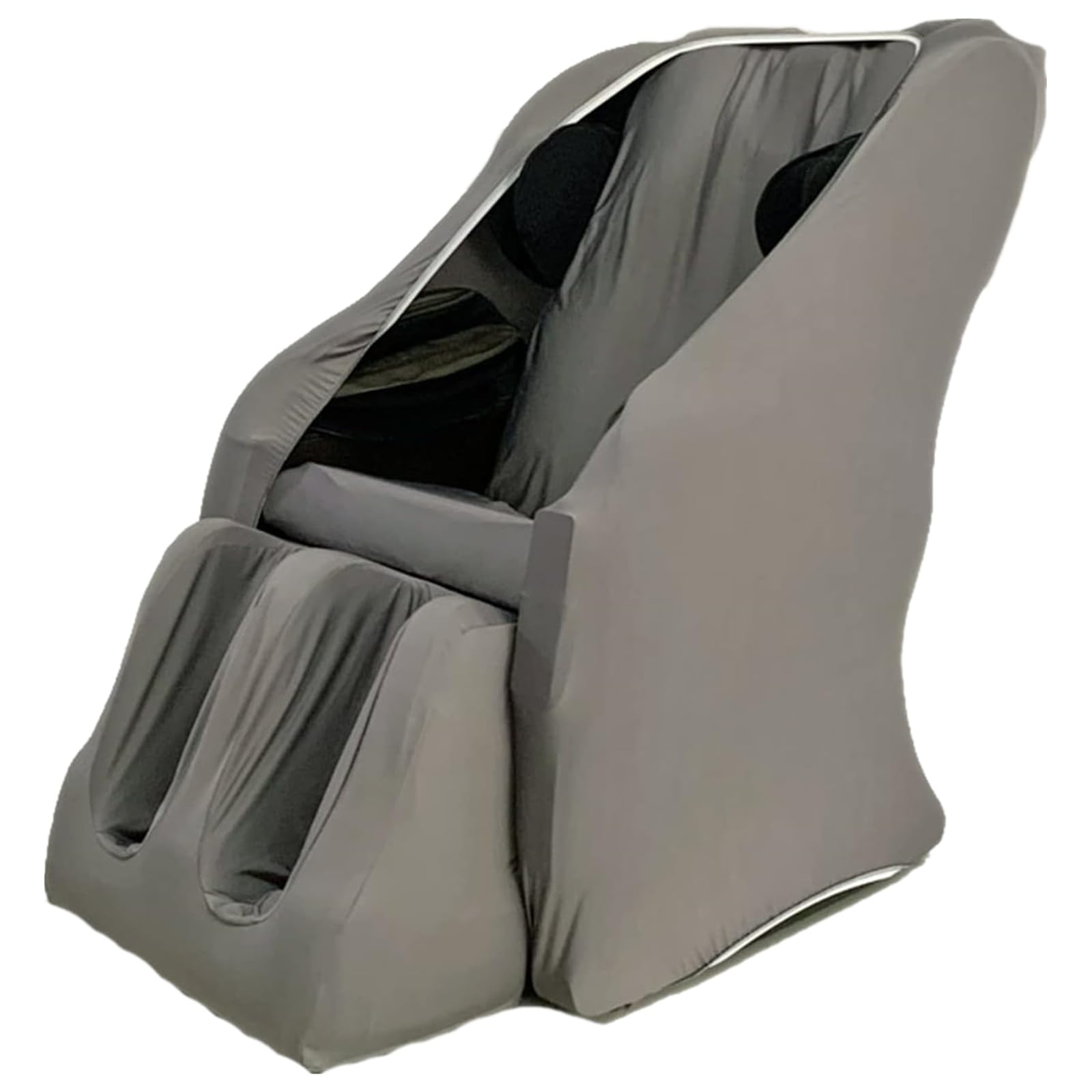
Polyester is common in massage chair covers because it is durable, lightweight, and generally easy to clean. Microfiber polyester has a softer feel and can hold onto dust and pet hair less visibly than some rougher woven fabrics. It is often a practical choice for a dust cover or a removable slipcover.
Check whether the material has a smooth backing. Rough seams, exposed elastic, or abrasive backing can rub against synthetic leather over time, especially where the cover shifts during recline.
Stretch knit blends
Stretch knit fabrics, often blended with elastane or spandex, can create a closer fit on curved upholstery. They work best on massage chairs with relatively simple outer shapes and enough room for the material to move as the chair changes position.
Stretch is not automatically better. Highly elastic fabric may pull hard around wide arm modules, moving calf sections, or large headrests. If the cover must be stretched to its limit to fit, choose a larger or model-specific option instead.
Quilted and padded fabrics
Quilted covers provide extra cushioning and may offer better protection from pet claws, minor spills, and surface abrasion. They can be useful on exposed armrests, headrests, and seat surfaces, particularly when the chair is used primarily as a recliner.
The trade-off is bulk. Thick padding can alter how rollers, airbags, and heat feel. It may also fold in areas where the chair bends. Padded covers are generally safer as external protective layers than as full-chair covers used during an active massage program.
Water-resistant materials
Water-resistant fabrics can help with accidental spills, but they are not necessarily waterproof. Their coatings may reduce breathability, retain warmth, and become less effective after repeated washing. A water-resistant cover is most useful where spills are a realistic concern, not as a reason to leave drinks on the chair.
Avoid non-breathable plastic-style covers for regular sitting. They can feel hot, trap moisture, and may stick to synthetic upholstery in warm conditions.
Natural fabrics
Cotton and cotton-blend covers can feel comfortable and breathable, especially in warm rooms. They may be suitable for removable headrest, seat, or armrest protectors. However, pure cotton can shrink, wrinkle, fade, and absorb spills more readily than synthetic fabrics.
If choosing a natural-fiber cover, confirm the washing instructions and allow it to dry fully before putting it back on the chair.
How to Install a Cover Without Affecting Chair Operation
Installation should be treated as a fit and safety check, not just a cosmetic task. Turn the chair off and unplug it before fitting or adjusting anything near electrical controls, motors, or moving sections.
- Clean the chair first. Remove dust, crumbs, and pet hair so debris does not rub against the upholstery beneath the cover.
- Read both sets of instructions. Review the chair manual and the cover’s fitting guidance. If either warns against operating with a cover installed, remove the cover before use.
- Start at the top. Position the cover over the headrest and backrest, aligning any openings with the remote holder, side controls, or pillow attachments.
- Fit the arms and seat gradually. Smooth fabric as you go rather than pulling it tightly from one side.
- Keep fabric out of moving areas. Do not tuck material into foot rollers, under a sliding track, around hinges, or behind a reclining base.
- Test every chair position. With no one seated, check recline, return, footrest extension, and other normal movements. Stop immediately if fabric pulls, bunches, rubs, or catches.
- Run a brief low-intensity massage only if permitted. Confirm that controls remain accessible and the cover does not block airbags, roller zones, or heat areas.
If the cover shifts after the first few uses, do not keep re-tucking it into gaps around the mechanism. That is usually a sign that the cover is not suitable for the chair’s design.
Cleaning a Massage Chair Cover Safely
Cleaning frequency depends on use, pets, skin contact, and the room environment. Light maintenance every week or two is easier on both the cover and the chair than waiting until dirt becomes embedded.
Credit: amazon.com
Routine care
- Remove loose dust and crumbs with a soft brush attachment or a lint roller.
- Shake out removable covers outdoors when practical.
- Address spills promptly with a clean, absorbent cloth rather than rubbing them deeper into the fabric.
- Wash removable covers only according to their sewn care label or manufacturer instructions.
For machine-washable massage chair covers, use the gentlest recommended cycle and avoid overloading the machine. Fasteners, straps, and elastic sections can snag, so close any hooks or zippers and use a mesh laundry bag if the care instructions allow it.
Spot-cleaning stains
Test any cleaner on an inconspicuous section first. Use a mild cleaner that is appropriate for the cover’s fiber content, apply it sparingly to a cloth, and blot from the outside of the stain inward. Avoid soaking padded covers, as moisture can remain trapped in inner layers.
Do not use bleach, strong solvents, or harsh degreasers unless the cover manufacturer specifically permits them. These products can weaken fibers, remove water-resistant coatings, fade dye, and damage elastic components.
Drying matters
Never reinstall a cover while it is damp. Moisture against upholstery can lead to odors, staining, or deterioration over time. Air drying is often the safest approach, particularly for stretch fabrics, padded covers, and water-resistant materials.
High dryer heat can shrink fabric, damage elastic, and cause backing materials to crack or delaminate. If tumble drying is allowed, use the lowest recommended heat setting.
Cleaning the Chair Under the Cover
A cover does not eliminate the need to care for the massage chair itself. Dust and body oils can still collect around seams, control panels, footwells, and openings. Remove the cover periodically and inspect the chair’s original upholstery.
For most chairs, gentle dusting and a slightly damp soft cloth are safer than spraying cleaner directly onto the surface. Follow the chair manufacturer’s upholstery-care instructions, especially for synthetic leather, genuine leather, fabric panels, and removable pads. Keep liquids away from controls, wiring, vents, speakers, and mechanical gaps.
If the upholstery is flaking, cracking, sticky, or splitting, a cover may slow further surface contact but will not reverse the damage. Inspect the affected area before covering it. Loose material near rollers, airbags, or moving joints should be addressed before operating the chair.
When a Massage Chair Cover Replacement Is the Better Option
Replace the cover when washing no longer restores its appearance or function. Continuing to use a stretched, torn, or poorly fitting cover can create more problems than it solves.
Consider replacement if you notice:
- Elastic that no longer holds the cover in place
- Tears, frayed seams, or holes near high-contact areas
- Fabric bunching that cannot be smoothed out during recline
- Stains, odors, or pet hair that remain after proper cleaning
- Peeling water-resistant coating or cracked backing material
- Blocked openings for controls, speakers, heat vents, or remote holders
- Reduced comfort because the cover has become stiff, rough, or overly padded
How to identify the correct replacement part
For an original chair component, locate the chair’s brand, model name, and serial information. This information is often found on a label near the rear, side, or lower frame, though placement varies. Take clear photos of the damaged piece, its attachment method, and any part label before contacting the manufacturer or authorized service provider.
Ask whether the item is a removable cover, a complete pad assembly, or upholstery attached to the chair frame. The answer affects whether you can replace it yourself. A removable headrest pad may use simple fasteners, while an arm panel or seat upholstery section may require professional service.
Do not cover mechanical faults
A replacement cover is not a repair for unusual noises, failed recline movement, exposed wiring, malfunctioning airbags, or torn material near moving mechanisms. Stop using the chair and consult the manufacturer, an authorized technician, or a qualified repair professional when a defect could affect safe operation.
Common Mistakes to Avoid
- Buying by chair category alone: “Massage chair” is not a reliable size standard. Measure the actual chair and compare the full shape.
- Using a storage cover during operation: Loose material can interfere with recline and massage components.
- Ignoring ventilation and controls: A cover should not block heat outlets, speakers, power switches, or access to emergency stop functions.
- Choosing the thickest material for maximum protection: Extra padding can reduce massage sensation and make the chair run warmer.
- Washing without checking the label: Heat and aggressive detergents can shrink or damage a cover quickly.
- Forcing fabric into gaps: Tucking excess material around hinges, rollers, or footrests creates snag risks.
- Using a cover to hide deteriorating upholstery indefinitely: Inspect the original surface regularly, especially around high-motion zones.
Credit: amazon.com
FAQ
Can I leave a massage chair cover on all the time?
You can leave a cover on while the chair is idle if it is dry, clean, and does not trap moisture. Whether it can remain on during massage operation depends on the chair manual and the cover’s design. Remove loose storage covers before using the chair.
Will a cover protect massage chair upholstery from pet claws?
A cover can reduce minor scratching and direct contact, especially if it is durable or lightly padded. It cannot guarantee protection from persistent scratching, sharp claws, or chewing. Keeping pets from using the chair remains the most reliable approach.
Is it safe to use the chair’s heat function with a cover on?
Only if the chair manufacturer and cover instructions allow it. Added fabric can change heat transfer and airflow, particularly with padded or water-resistant materials. When guidance is unclear, remove the cover before using heat.
How often should I wash a removable cover?
Wash it when it becomes visibly soiled, develops an odor, or collects noticeable pet hair and body oils. In a frequently used household chair, regular vacuuming or lint removal between washes helps extend fabric life and avoids unnecessary laundering.
What should I do if I cannot find a cover for my massage chair model?
Contact the chair manufacturer with the model and serial information to ask about replacement pads, upholstery parts, or approved accessories. If no model-specific option is available, choose a loose dust cover for storage or use separate removable protectors on low-motion areas rather than forcing a universal full-chair cover to fit.