
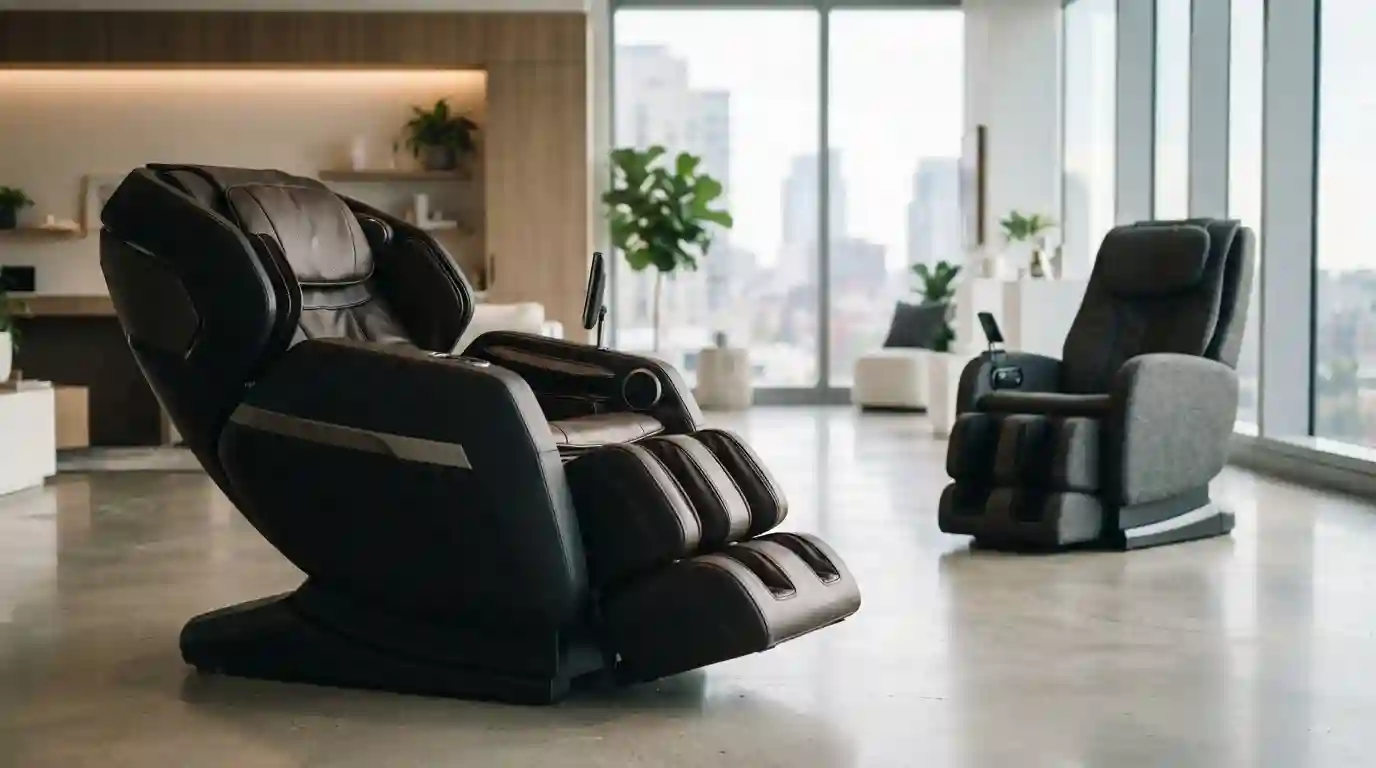
How much does a massage chair cost? Most new models fall somewhere between a few hundred dollars and several thousand, while premium full-body chairs can cost considerably more. The right budget depends less on the label “massage chair” and more on the massage system, fit, comfort features, reliability, and level of service included.
A low-priced chair may provide vibration, heat, and basic recline. A higher-priced model may add rollers that travel from the neck toward the lower body, air compression massage, leg and foot massage, body scanning, deeper recline, and more detailed controls. Those features can improve the experience, but they also add mechanical complexity and affect long-term ownership costs.
Before comparing prices, consider how often the chair will be used, who will use it, where it will go, and which features matter most. A chair that fits the user and the room well is usually a better value than one with a long feature list that is rarely used.
Typical Massage Chair Price Ranges
Massage chair prices vary widely by brand, retailer, construction quality, and included warranty. The ranges below are general buying categories rather than fixed rules. Sale pricing and discontinued models can move a chair into a different bracket.
| Price level | Typical cost | What to expect | Best for |
|---|---|---|---|
| Entry level | Roughly under $1,000 | Basic vibration, heat, simple recline, limited massage coverage, or a compact design | Occasional relaxation and buyers with limited space or budget |
| Lower mid-range | About $1,000 to $2,500 | More structured roller massage, selected air cells, improved controls, and sometimes leg massage | Regular home use without premium automation |
| Mid-range | About $2,500 to $5,000 | Broader body coverage, more massage programs, adjustable intensity, body scanning, and stronger recline features | Frequent users who want a fuller massage-chair experience |
| Premium | About $5,000 to $10,000 | Advanced roller tracks, more air compression zones, foot rollers, refined controls, and higher-end upholstery or finish details | Households that prioritize frequent use, customization, and comfort |
| Luxury or specialty | Often above $10,000 | More advanced mechanisms, premium materials, extensive programming, design-focused styling, and higher-touch delivery service | Buyers with a specific preference for top-tier features or aesthetics |
When asking how much are massage chairs, it is useful to separate compact massage recliners from full-body massage chairs. A recliner with vibration and heat may look like a massage chair in product listings, but it does not necessarily include roller-based back massage, foot massage, or the adjustability found on a full-size model.
What Makes One Massage Chair More Expensive Than Another?
The biggest price differences come from the massage mechanism, coverage area, adjustment range, materials, electronics, and service support. A higher price does not automatically mean a chair will feel better for every person, but it often reflects additional hardware and a more complex design.
Massage mechanism and roller track
Many basic chairs use vibration motors or a limited rolling mechanism. More capable chairs use motorized rollers that move along a track behind the backrest. Depending on the design, rollers may perform motions commonly described as kneading, tapping, rolling, or combinations of those movements.
Track length matters because it influences how much of the back and lower body the rollers can reach. Some chairs focus mostly on the upper and lower back, while longer-track models may continue farther down toward the glutes or upper hamstrings. However, track length alone does not determine comfort. Roller pressure, width adjustment, body shape, padding, and the chair’s fit all matter.
Air compression massage
Airbags or air cells inflate and deflate around areas such as the shoulders, arms, hips, calves, and feet. More zones can provide a more enveloping sensation and may allow separate adjustments for different body areas. They also add pumps, valves, and components that can increase the chair’s price and repair complexity.
Air compression should feel secure rather than painful. Buyers who dislike a tight sensation should look for models with adjustable air intensity or try a chair before purchasing when possible.
Leg, calf, and foot features
Foot massage is a major reason some full-body chairs cost more. Features can include airbags around the calves, rollers under the feet, heat, adjustable ottoman length, and automatic leg extension. These functions may be valuable for people who want a more complete relaxation routine, but they can make the chair longer, heavier, and harder to move.
Foot compartments are especially important to assess for fit. A chair may be uncomfortable if the user’s feet do not reach the rollers correctly or if the calf section feels too narrow. Do not assume that an extendable leg rest suits every height or leg shape.
Recline and space-saving design
Many mid-range and premium chairs offer a deep recline position that raises the legs while reclining the back. This can feel more relaxing and may distribute body weight differently across the chair. Some models also use a forward-sliding or wall-saving recline system, reducing the clearance needed behind the chair.
A space-saving mechanism can be worth paying for in a smaller room, but always check the manufacturer’s required clearance in both upright and fully reclined positions. The chair’s footprint includes room to enter and exit it, not just the space behind the backrest.
Body scanning and personalization
Some chairs scan or estimate the user’s shoulder position and body dimensions before starting a program. The goal is to place rollers more appropriately for that individual. Better chairs may also let users adjust roller position, width, speed, intensity, air pressure, and massage duration.
Personalization is most useful when more than one person will share the chair or when the user is particularly tall, short, broad-shouldered, or sensitive to pressure. It is less valuable if the controls are difficult to understand or if the chair’s basic shape is a poor fit.
Materials, finish, and frame construction
Upholstery can range from synthetic leather-like coverings to fabric and other specialty finishes. Material affects appearance, cleaning needs, breathability, and how warm the chair feels during long sessions. It should not be judged only by how luxurious it looks in photos.
Frame strength, padding density, zippers, stitching, remote construction, and moving joints all influence durability. These details are harder to compare online, which is why warranty terms, retailer support, and the availability of replacement parts deserve attention alongside the advertised features.
Features Worth Paying For—and Features to Question
The best massage chair is not necessarily the one with the most modes. Focus first on features that affect comfort, body fit, and routine usability.
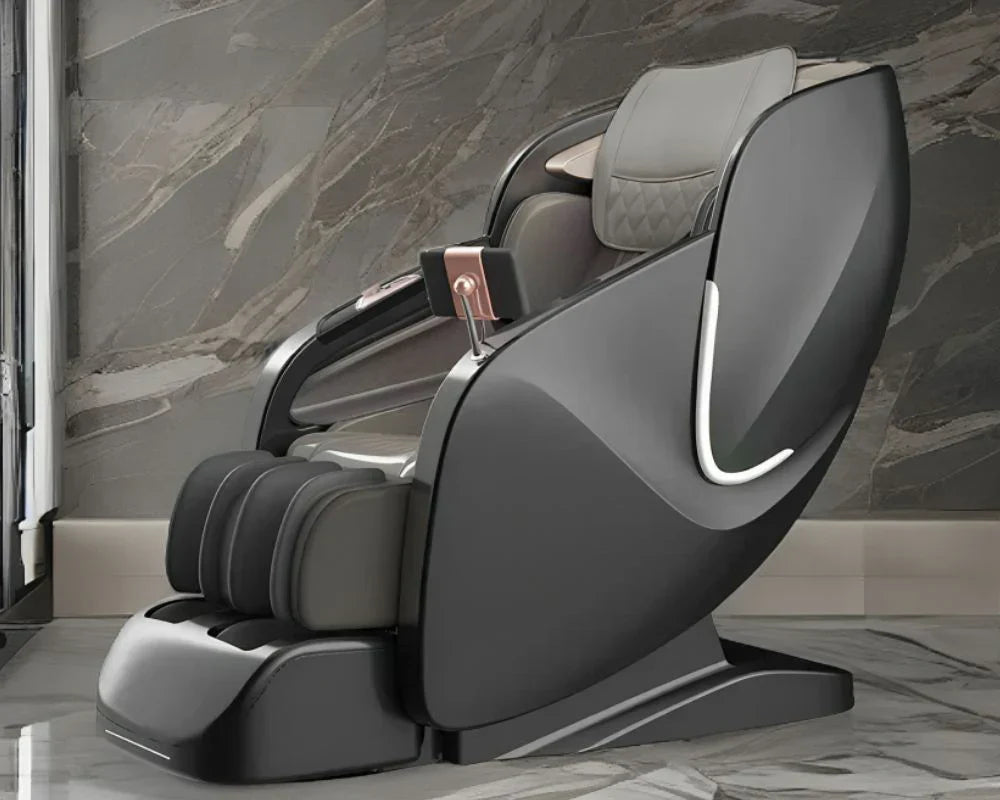
Credit: forwardfurniture.ca
Features that often provide practical value
- Adjustable intensity: Helps the chair work for different preferences and makes it easier to use regularly.
- Good shoulder and lower-back positioning: More important than a long list of automatic programs.
- Body-size accommodation: Check the stated height range, user weight limit, seat width, shoulder area, and leg-rest dimensions.
- Easy controls: A clear remote or app can make a sophisticated chair much more useful.
- Useful recline: A comfortable reclining position may matter more than novelty features.
- Serviceable warranty coverage: Mechanical and in-home service coverage can be particularly important for a heavy chair.
Features to evaluate carefully
- Large program counts: Dozens of named programs may be variations of similar settings. Look at what can actually be adjusted.
- Built-in speakers and entertainment extras: Convenient for some users, but not central to massage quality.
- Heat: Often gentle and localized rather than powerful. Confirm where heat is applied and whether it can be adjusted.
- Voice control: It can be handy, but it should not outweigh fit, comfort, or support quality.
- “Zero gravity” wording: This commonly refers to a reclined posture inspired by a weight-distributing position, not literal weightlessness or a medical benefit.
Ownership Costs Beyond the Purchase Price
The sticker price is only part of the answer to how much is a massage chair. A full-size chair is a powered, mechanical piece of furniture, and ownership may involve delivery, electricity, cleaning, and occasional service.
Delivery, setup, and placement
Massage chairs are heavy and often arrive in large cartons. Delivery may be curbside, room-of-choice, or include setup, depending on the retailer and service selected. Stairs, narrow halls, tight turns, elevators, and door widths can complicate delivery.
Measure the entire path from the entrance to the final room before ordering. Compare those measurements with the packaged dimensions as well as the assembled chair dimensions. If removal of old furniture or upstairs placement is needed, confirm whether it is included or costs extra.
Electricity use
A massage chair needs a nearby grounded outlet and should be used according to the manufacturer’s electrical instructions. Energy use depends on the motors, heat function, session length, and standby settings. For most households, electricity is usually a smaller ownership cost than delivery or repairs, but unplugging the chair when not in use may be sensible if the manufacturer permits it.
Avoid using an unsuitable extension cord, placing the power cord where it can be crushed, or operating the chair in damp conditions. Follow the product manual for power requirements and safety instructions.
Cleaning and routine care
Cleaning needs vary with the upholstery. Dust can collect around the base, footwell, tracks, and moving sections. Spills should be handled promptly with cleaning methods approved for the chair’s material. Harsh cleaners, excess water, and unapproved conditioners may damage upholstery or leave residue.
Keep pets, sharp objects, and loose clothing away from moving parts. If the chair begins making unusual noises, moves unevenly, or displays a fault message, stop using it and consult the manual or service provider rather than trying to disassemble it.
Warranty and repair costs
Warranties differ substantially. One plan may cover certain parts for a limited period, while another may include labor or in-home technician visits. Read the terms rather than relying on the headline length of the warranty.
Questions worth asking include:
- Which components are covered: frame, upholstery, electronics, rollers, airbags, and remote?
- Is labor included, and for how long?
- Will repairs be performed in the home, at a service center, or through shipped parts?
- Who pays transportation costs if the chair requires off-site service?
- Are there exclusions for commercial use, improper placement, or normal wear?
An extended protection plan may be worth considering for an expensive chair with complex moving parts, but compare its exclusions and claim process against the manufacturer’s standard coverage before adding it to the purchase.
How to Set a Realistic Budget
A practical budget starts with your intended use. Someone seeking occasional vibration and warmth may be satisfied with a lower-cost recliner-style option. Someone who wants regular full-body massage, leg and foot coverage, and precise adjustments will generally need to budget for a more substantial chair.
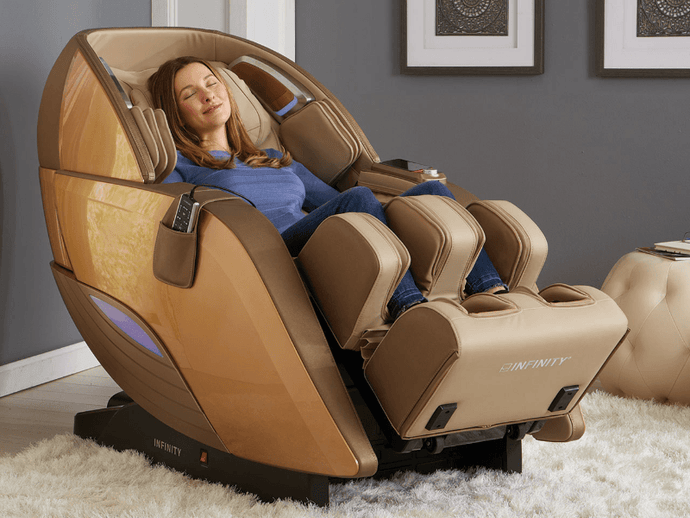
Credit: massagechairheaven.com
For occasional relaxation
Prioritize simple operation, comfortable seating, easy cleaning, and a size that works in the room. You may not need advanced scanning, multiple air zones, or a large foot-massage compartment. A less complicated chair can also be easier to move and maintain.
For frequent use by one person
Spend more attention on body fit and core massage performance. The rollers should reach the areas you want addressed without pressing uncomfortably on the neck, spine, or tailbone. Adjustable intensity, a comfortable recline, and reliable controls can matter more than cosmetic upgrades.
For a shared household
Look for customization and a broad fit range. Separate user settings, adjustable calf length, shoulder positioning, and controllable air pressure can make the chair more usable for people with different heights and preferences. A chair that works only for one household member is rarely a good shared investment.
How to Compare Massage Chairs Without Overpaying
Online descriptions can make many chairs sound similar. Compare the details that change daily comfort and long-term value instead of relying on marketing names for massage modes.
- Confirm the chair type. Determine whether it offers roller massage, vibration only, or a combination of both.
- Check the fit specifications. Review the recommended user height and weight range, seat dimensions, shoulder width, and leg-rest design.
- Study massage coverage. Identify where rollers, airbags, and foot mechanisms actually reach.
- Review adjustments. Look for meaningful controls over intensity, location, speed, air pressure, and recline.
- Measure your room and route. Include fully reclined space, wall clearance, doorways, and stair access.
- Read warranty and return policies. A reasonable return policy is valuable because massage comfort is highly personal.
- Compare the delivered total. Include taxes, shipping, setup, protection plans, and any delivery obstacles.
If possible, sit in a chair before buying. Pay attention to whether the shoulder rollers sit in the right place, whether the seat feels narrow, whether the foot section fits, and whether the lowest intensity setting is still comfortable. A brief trial cannot predict every long-term issue, but it can reveal major fit problems quickly.
Are Expensive Massage Chairs Worth It?
An expensive massage chair can be worth it when its extra cost pays for features you will genuinely use: a more comfortable fit, stronger adjustment range, effective leg and foot coverage, better room compatibility, and dependable support. It is not automatically worthwhile if the premium is mostly for entertainment extras or programs that do not improve your comfort.
Massage chairs are designed for relaxation and comfort. They are not a substitute for medical assessment or treatment. Anyone with a health condition, recent injury, pregnancy, implanted medical device, circulation concern, or uncertainty about whether massage is appropriate should seek advice from a qualified healthcare professional before using one.
The most sensible purchase is usually a chair that fits the primary user, has the massage functions they prefer, fits the available space, and comes with clear service support at a price that does not stretch the household budget solely for unused features.

Credit: thervo.com
Frequently Asked Questions
Can I find a good massage chair for less than $1,000?
Yes, but expectations should be realistic. In this range, many products emphasize vibration, heat, recline, or limited massage functions rather than a highly adjustable full-body roller system. Check whether the chair provides the specific type of massage you want instead of assuming all massage chairs work the same way.
Is a used massage chair a smart way to save money?
A used chair can cost much less, but it carries more risk because motors, rollers, airbags, upholstery, and electronics wear over time. Ask for the model number, age, service history, proof that all functions work, and details on whether any warranty transfers. Also account for transport, since moving a large chair can be costly.
How long should a massage chair session last?
Use the session length and frequency recommended in the chair’s manual, especially when first getting used to it. Many chairs offer timed programs, but comfort should guide use. Stop if massage feels painful, causes numbness, or leaves you unusually sore.
Do massage chairs require professional assembly?
Some models arrive largely assembled, while others require attaching components such as arm panels, a leg unit, or control holders. Professional setup can reduce the risk of damage and ensure the chair is placed correctly, particularly for large or heavy models. Review the retailer’s delivery options before ordering.
What is the most important measurement to check before buying?
Check the chair’s fully reclined dimensions and required wall clearance, then measure the path it must travel to reach the room. A chair can fit the floor area when upright yet still be impractical if it cannot recline safely or pass through doorways and hallways.