
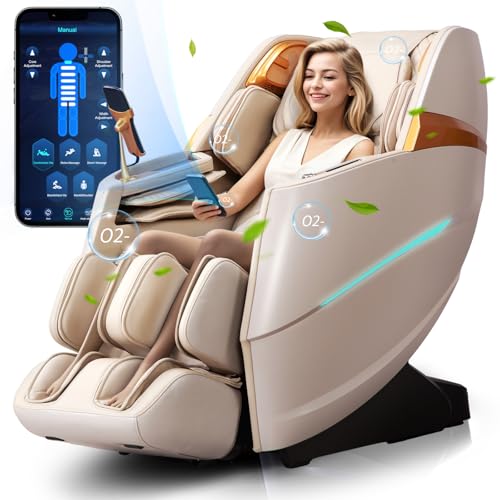
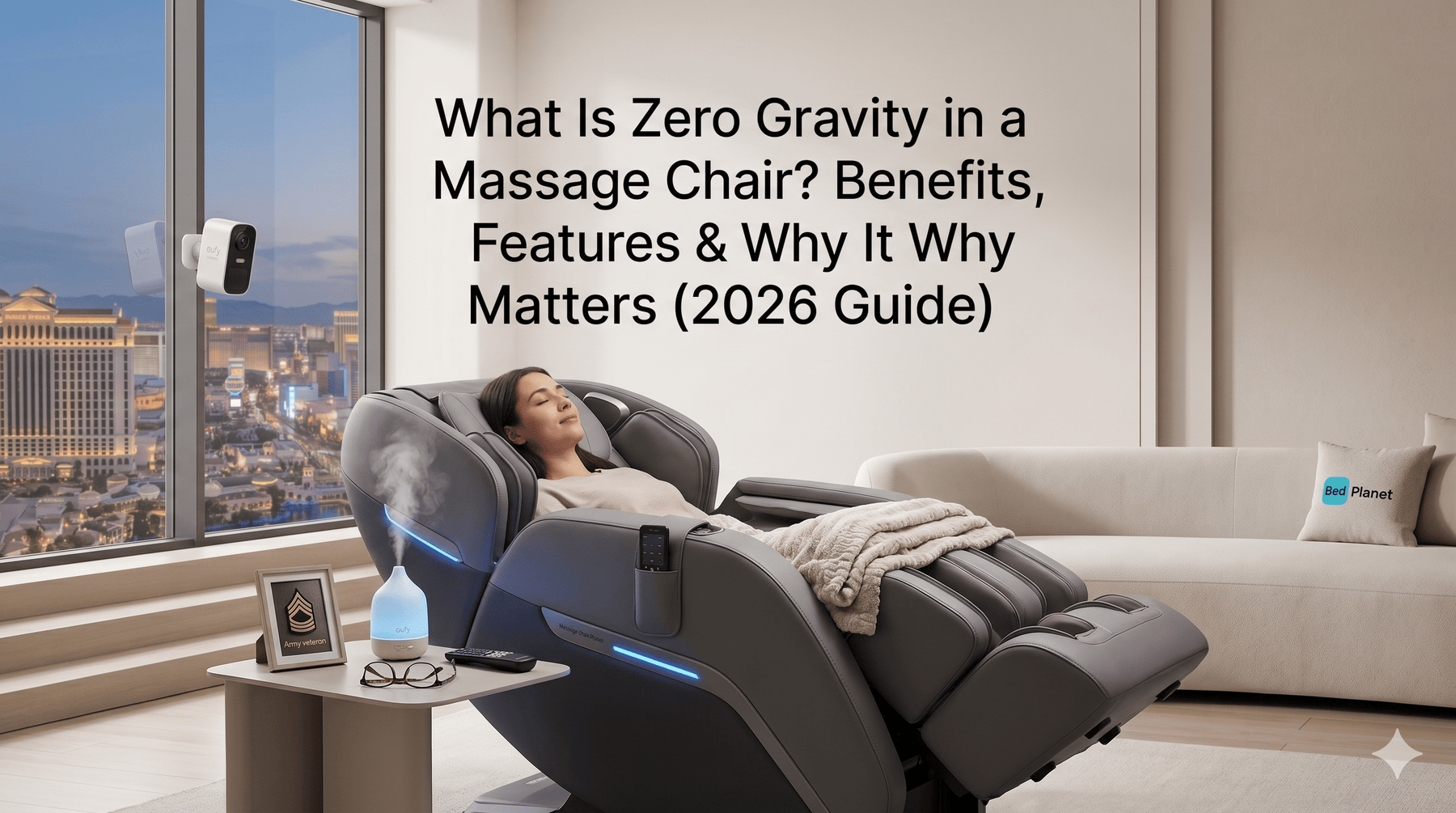
If you are asking what is a zero gravity massage chair, it is a reclined massage chair designed to place your body in a position where your legs are elevated and your weight is spread more evenly across the backrest and seat. The goal is to create a more supported, low-pressure resting posture while the chair delivers massage through rollers, airbags, heat, vibration, or other features.
“Zero gravity” does not mean the chair makes you weightless. It is a marketing and design term inspired by the neutral body posture used in spaceflight research, where the body is reclined with the knees and hips bent. In a home massage chair, the position usually raises the feet to around heart level or slightly above it, depending on the chair’s design and the user’s height.
A massage chair zero gravity setting can feel more relaxing than an upright massage because it changes how your body contacts the chair. Still, the position is only one part of the experience. Roller quality, fit, massage programs, air compression, controls, room space, and your personal comfort matter just as much.
How the Zero Gravity Position Works
In an upright chair, much of your body weight is concentrated through the hips, lower back, and feet. When a massage chair reclines and raises the leg rest, it redistributes some of that load across a larger area of the chair. Your back, seat, calves, and footrest share more of the contact.
Most zero gravity massage chairs move into a position with these characteristics:
- The backrest reclines significantly.
- The leg rest rises as the chair reclines.
- The hips and knees bend into a relaxed, supported angle.
- The feet are elevated near the level of the heart or slightly higher.
- The head, neck, shoulders, back, and legs remain supported by the chair.
This configuration can make the massage mechanism feel different. As your body settles farther into the chair, rollers may maintain closer contact with the back, and air cushions can hold the arms, legs, or shoulders more securely in place. Many people also find it easier to relax when they are not actively supporting their legs or trying to maintain an upright posture.
The exact angle varies by model. Some chairs offer one zero gravity position, while others provide two or more recline stages. A deeper stage is often marketed as “zero gravity,” “zero gravity two,” or a similar label, but those terms are not standardized across brands. One manufacturer’s second-stage recline may not match another’s.
Why It Is Called “Zero Gravity”
The name comes from the concept of a neutral body posture associated with reduced gravitational loading in space. In a zero-gravity environment, astronauts naturally assume a relaxed posture with the hips and knees bent rather than standing straight.
A chair cannot reproduce actual weightlessness. Gravity is still acting on the body, and the user is still supported by the chair. What the chair can do is reduce the feeling of concentrated pressure by placing the body in a reclined, evenly supported position.
That distinction matters when comparing products. A zero gravity label describes the chair’s recline geometry, not a guaranteed level of comfort, massage quality, or health benefit. The best position is the one that supports your body comfortably without creating strain in your neck, hips, knees, or lower legs.
What Features Usually Accompany Zero Gravity Recline?
Zero gravity is a position rather than a massage technology. It is commonly paired with other chair features, but not every chair includes all of them. Understanding the separate components helps you compare models more realistically.
Roller Track and Massage Mechanism
The massage mechanism uses moving rollers to work along the back. Depending on the chair, rollers may cover only the lower and mid-back or travel from the neck area down toward the glutes. Track descriptions often use letters such as S-track, L-track, or SL-track, although terminology can differ between manufacturers.
- S-track: Follows the general curve of the spine and typically focuses on the back.
- L-track: Extends farther under the seat, often reaching the glute area.
- SL-track: A term commonly used for a track that combines a spine-following shape with extended lower-body coverage.
In a deeper recline, body weight may keep the back in closer contact with the rollers. That can improve the sensation for some users, but it can also make an intense roller setting feel too strong. Adjustable intensity and a good body scan are often more important than the track label alone.
Air Compression Massage
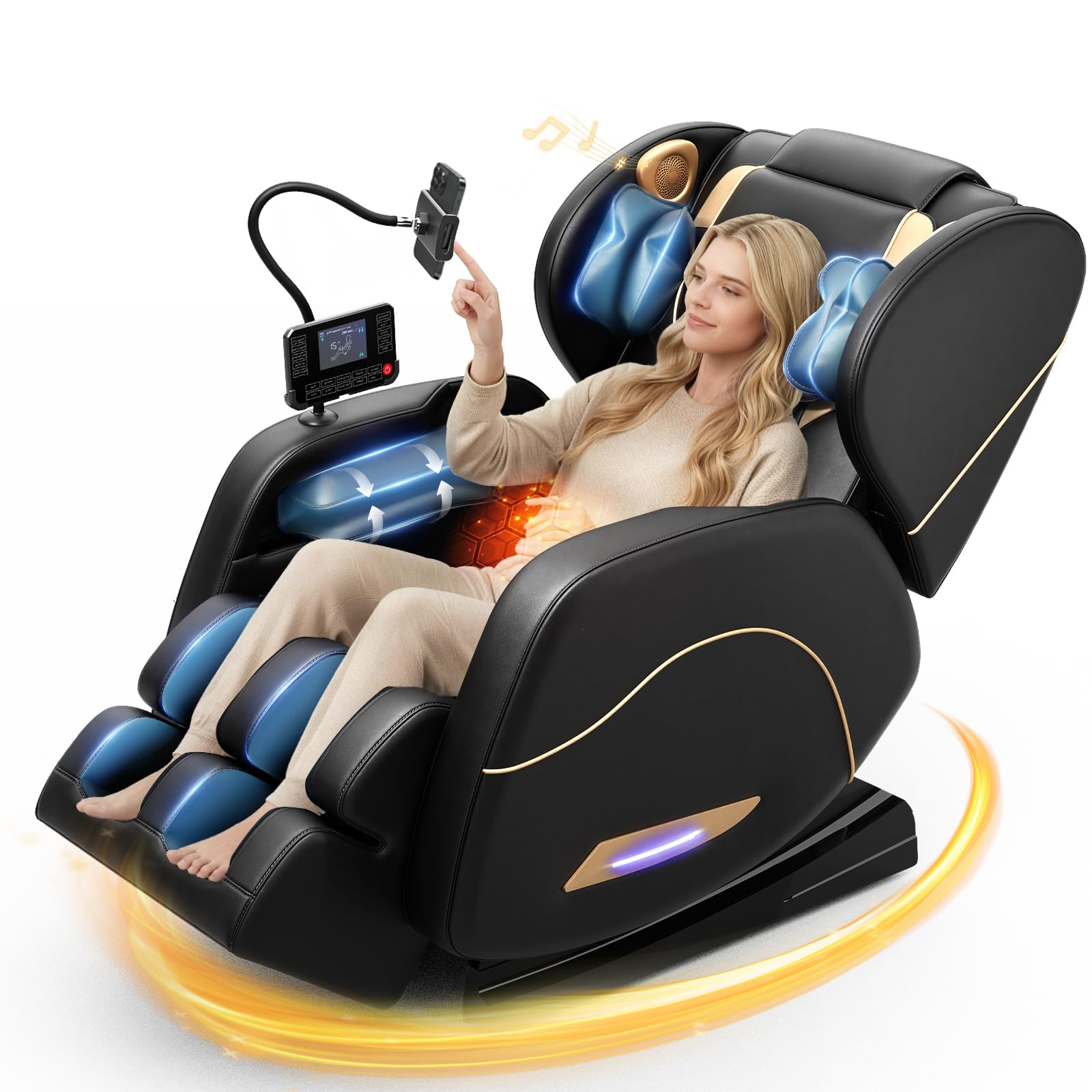
Airbags or air cells inflate and deflate around areas such as the shoulders, arms, hips, calves, and feet. These movements create a squeezing, holding, or rhythmic compression sensation. In zero gravity, air compression can help keep the body positioned comfortably as the chair reclines.
Air massage is not the same as roller massage. Rollers generally provide kneading, tapping, rolling, or shiatsu-style motions along the back, while airbags work by applying temporary pressure around a limb or body area. Look for separate intensity controls if you prefer a gentler experience.
Leg, Calf, and Foot Massage
Because zero gravity chairs raise the legs, many include calf and foot massage systems. These may use airbags, rollers, vibrating pads, or textured footbeds. The design matters because lower-leg fit varies widely.
People with larger calves, long legs, sensitive feet, or limited ankle mobility should pay close attention to the footwell and leg-rest design. A chair may have an extendable ottoman, but extension does not automatically mean it will fit every body shape comfortably.
Heat and Warming Functions
Some chairs include heat in the lumbar area, seat, calves, or feet. The warming effect can add comfort during a relaxing session, but it should not be viewed as medical treatment. Heat settings should be mild enough to use comfortably, and users with reduced heat sensitivity should be especially cautious.
Automatic Programs and Manual Controls
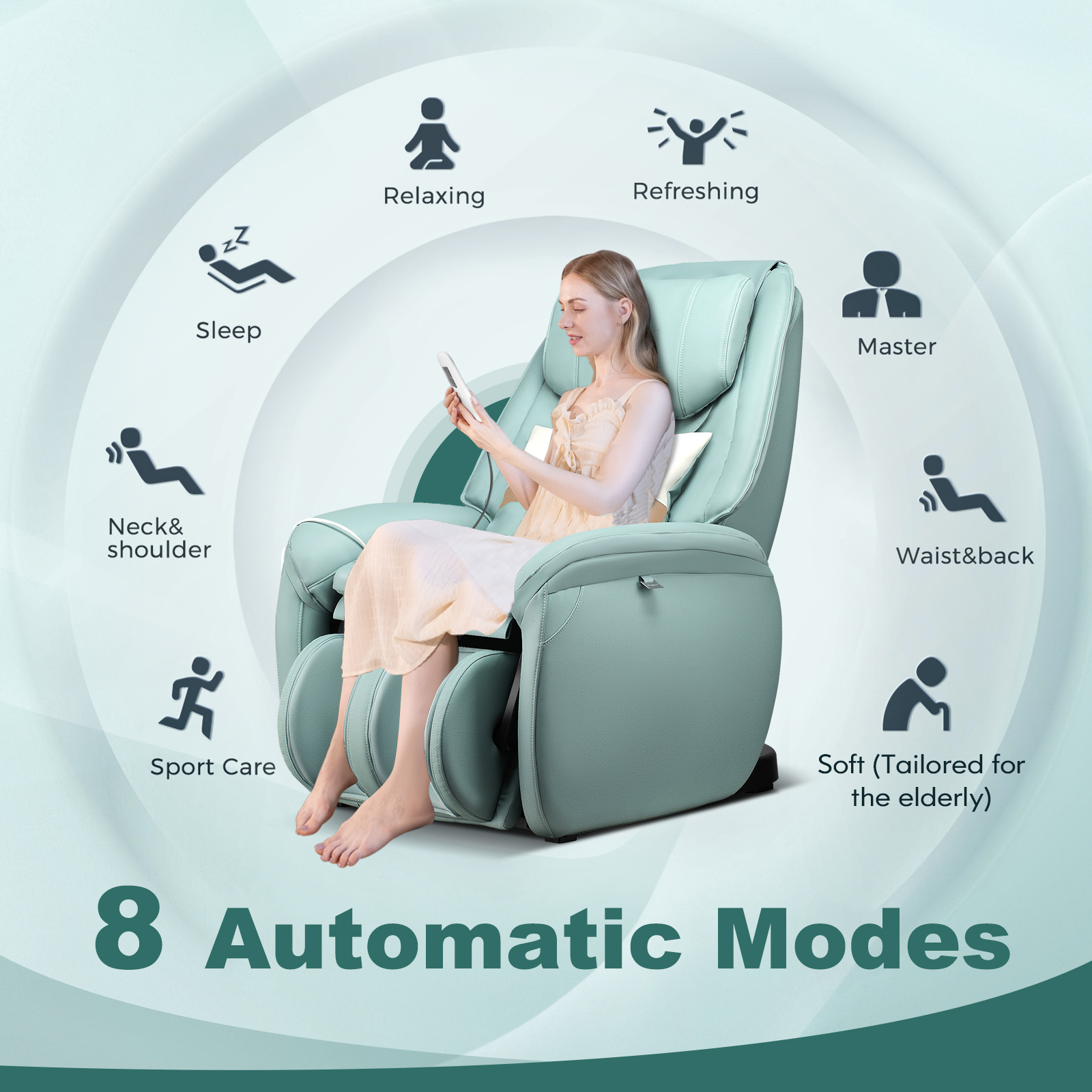
Automatic programs combine recline, roller movements, air compression, and sometimes heat into a preset routine. Manual controls let you adjust individual settings, such as roller speed, width, intensity, massage area, or recline angle.
Preset programs are convenient, but manual adjustment can be more valuable over time. A chair that allows you to reduce roller strength, turn off unwanted airbags, or choose a slightly less dramatic recline is more likely to suit different members of a household.
Potential Benefits of a Zero Gravity Massage Chair
The main practical benefit of a zero gravity position is comfort through support and weight distribution. When the chair fits well and the settings are appropriate, reclining with elevated legs may feel less demanding than sitting upright.
Users may appreciate zero gravity massage chairs for:
- Relaxing after long periods of sitting, standing, or general activity.
- Taking pressure off the feet and legs while resting.
- Making back roller massage feel more consistent against the body.
- Supporting the head, back, hips, and legs during a massage session.
- Providing a calmer position for reading, resting, or using a chair’s non-massage recline setting.
Comfort is highly individual. Some people enjoy a deep recline immediately, while others prefer a partially reclined position because it feels easier on the neck, sinuses, hips, or knees. The ability to stop at different angles is useful because “more reclined” is not always “more comfortable.”
A massage chair can support relaxation and short-term comfort, but it should not be presented as a cure or treatment for medical conditions. Persistent pain, numbness, weakness, swelling, circulation concerns, or new symptoms deserve advice from a qualified healthcare professional.
Credit: amazon.com
Zero Gravity Massage Chair Trade-Offs
Zero gravity recline is appealing, but it comes with practical compromises. Consider these before deciding that it is a must-have feature.
It Requires More Room Than an Upright Chair
A chair may look compact in a showroom or online image but need substantial clearance once the backrest reclines and the footrest extends. Wall-hugging or space-saving designs can reduce the clearance needed behind the chair, yet they still require floor space in front for the raised leg rest.
Measure the intended area carefully. Check the chair’s fully reclined dimensions, not only its upright footprint. Also allow room to walk around it, open nearby doors, and access power outlets without stretching or pinching the power cord.
Deep Recline Can Make Entry and Exit Less Convenient
Getting in and out of a deeply reclined chair can be harder for some users, especially those with limited mobility, balance concerns, knee discomfort, or difficulty moving from low positions to standing. Most chairs return to an upright position before exit, but that process takes time.
If easy access is a priority, look for simple controls, a quick upright button, and a seat height that feels manageable. It is also wise to avoid assuming that a massage chair is suitable mobility equipment unless it is specifically designed and rated for that purpose.
The Position May Not Suit Every Body or Preference
Some users find elevated legs and a deep recline very comfortable. Others may feel pressure behind the knees, tension in the hip flexors, neck discomfort, or a sense of being too enclosed by the chair. This is especially possible when the chair’s shoulder width, seat depth, or leg length range does not match the user.
Body fit affects the experience more than many buyers expect. A chair that is too narrow can compress the shoulders or arms. One that is too wide may allow the body to shift away from the rollers. A short user may not reach the foot massage area correctly, while a tall user may find the leg rest restrictive.
More Features Can Mean More Complexity
Multiple recline stages, body scans, heating zones, air cells, touchscreen remotes, voice controls, and automatic programs can improve customization. They can also make the chair more complicated to operate and create more components that may eventually need service.
A simpler chair with strong core functions may be a better choice than a feature-heavy model with controls you will rarely use. Consider which functions are essential: recline quality, back massage, calf massage, easy controls, heat, or space-saving placement.
Zero Gravity Does Not Guarantee a Better Massage
A well-designed zero gravity position can enhance comfort, but it cannot compensate for poor roller placement, limited intensity control, an uncomfortable seat, or a chair that does not fit your body. Similarly, an excellent upright massage chair may suit someone who does not enjoy deep recline.
Think of zero gravity as a comfort and positioning feature, not a universal sign of premium quality.
How to Choose a Chair With Zero Gravity Recline
When comparing chairs, evaluate the complete seating and massage experience rather than focusing on a single feature. Product descriptions can make similar recline systems sound very different, so look beyond the wording.
| What to Check | Why It Matters | Useful Questions |
|---|---|---|
| Recline range | Determines whether the chair reaches a comfortable elevated-leg position. | Can you pause at any angle, or only use fixed positions? |
| Body-size fit | Affects roller contact, shoulder comfort, and leg-rest usability. | What height and body-size range does the manufacturer state? |
| Roller adjustment | Helps prevent a massage that feels too weak or overly intense. | Can you adjust intensity, speed, width, and massage location? |
| Leg-rest design | Influences calf support, foot positioning, and reclined comfort. | Is the ottoman extendable, and does it accommodate your leg length? |
| Room clearance | Prevents installation problems after delivery. | How much space does it need upright and fully reclined? |
| Controls and maintenance | Determines how easy the chair is to use and care for. | Are controls understandable, and can the upholstery be cleaned easily? |
Credit: massagechairplanet.com
Prioritize Fit Before Programs
A chair should support your head and neck without forcing your chin toward your chest. The shoulder airbags should not squeeze too narrowly, and the rollers should reach the intended areas of your back without pressing into the base of the skull or stopping too high above the lower back.
Check the seat width, shoulder width range, leg-rest length, and stated user height guidance where available. If more than one person will use the chair, adjustable components become especially valuable.
Consider Your Room Layout
Massage chairs are substantial pieces of furniture. Beyond their physical size, consider delivery paths through hallways, stairs, doorways, and tight corners. A chair that fits the room on paper may still be difficult to bring inside.
Also think about how the chair will look and function when it is not being used for massage. In some living rooms, a chair that remains visually bulky or blocks a walkway will be less useful, no matter how comfortable its recline is.
Look for Controls You Will Actually Use
A remote with many options can be helpful, but only if it is easy to understand. Useful basics include a clear power button, an upright return function, manual recline controls, massage intensity adjustment, and the ability to stop a program quickly.
If possible, review the owner’s manual before buying. It can reveal practical details that marketing pages overlook, including cleaning guidance, power requirements, maximum session recommendations, and warnings for specific users.
Safe and Comfortable Use
Start with a short, gentle session while you learn how the chair feels in its reclined position. Use lower intensity settings first, particularly for rollers, calf compression, and foot massage. If a motion creates sharp discomfort, tingling, numbness, dizziness, or pain, stop using that setting.
People who are pregnant, have implanted medical devices, have a history of blood clots, significant circulation issues, recent surgery, fractures, severe osteoporosis, neuropathy, or other health concerns should seek guidance from an appropriate clinician before using a massage chair. The chair manufacturer’s warnings should also be followed.
Keep children and pets away from moving parts, especially the reclining mechanism and leg rest. Do not allow anyone to crawl under or behind the chair while it is operating. Unplug the chair before cleaning or inspecting it, and use only the cleaning methods recommended for its upholstery and controls.
Credit: ebay.com
FAQ
Does a zero gravity massage chair have to recline all the way back?
No. Most models use a deeply reclined but not fully flat position. The backrest and leg rest move together to elevate the legs while supporting the torso. The available angle depends on the specific chair.
Can you use the massage function without using zero gravity mode?
Usually, yes. Many chairs allow massage in an upright or partially reclined position. However, available combinations vary, so check whether the model permits manual recline during automatic programs.
Is a wall-hugging chair the same as a zero gravity chair?
No. Wall-hugging describes a space-saving recline mechanism that needs less clearance behind the chair. Zero gravity describes the body position created by recline and leg elevation. A chair may offer either feature or both.
How long should a session in a reclined massage chair last?
Follow the manufacturer’s guidance and begin conservatively. Many automatic programs have built-in time limits. A shorter, comfortable session is preferable to continuing after the massage becomes unpleasant or leaves you sore.
What matters more: zero gravity mode or adjustable massage intensity?
For many buyers, adjustable intensity is more important because it directly affects whether the massage feels tolerable and useful. Zero gravity can improve relaxation and support, but a chair should still offer comfortable roller pressure, sensible controls, and a fit that matches your body.