
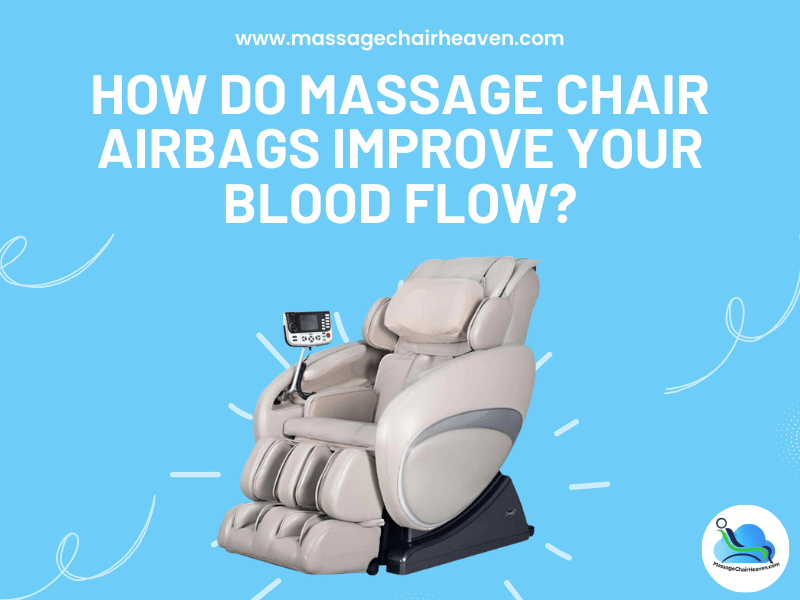
A massage chair with airbags uses inflatable air cells to apply controlled compression to parts of the body that rollers cannot reach well, including the shoulders, arms, hips, calves, and feet. As the air cells fill and release, they create a rhythmic squeezing action intended to support relaxation and a more complete full-body massage experience.
Airbag massage is not simply “stronger” or “weaker” than roller massage. It feels different. Rollers usually provide kneading, tapping, or gliding movement along the back, while airbags hold, compress, and gently mobilize the body from the sides. The quality of that experience depends on where the airbags are placed, how precisely pressure can be adjusted, and whether the chair fits the user’s body.
Understanding compression zones, pressure settings, and comfort limits makes it much easier to choose and use a chair well. More airbags do not automatically mean better massage; thoughtful placement, gradual pressure control, and proper positioning usually matter more.
How Airbag Massage Works
Massage chair airbags are durable fabric or plastic air chambers built into the chair’s upholstery. A small pump inflates them during a massage program, then releases the air in repeating cycles. Depending on the chair, the airbags may work one at a time, in pairs, or across several body areas at once.
When an airbag inflates, it presses the body against a padded surface, a roller track, or another air cell. This produces compression rather than the rolling friction associated with mechanical massage rollers. Some programs also use airbag sequences to create a stretching sensation by holding the legs, arms, or shoulders in place while the chair reclines or shifts position.
The sensation should generally be secure and comfortably firm, not painful, pinching, numb, or restrictive. A well-designed chair gives the user enough adjustment range to reduce compression intensity, disable individual zones, or select a gentler program.
Airbags versus rollers
Rollers and airbags serve different functions, and many full-featured massage chairs use both.
| Feature | Massage Rollers | Airbags or Air Cells |
|---|---|---|
| Primary motion | Kneading, tapping, rolling, gliding | Inflating, squeezing, holding, releasing |
| Common locations | Neck, shoulders, back, glutes | Arms, shoulders, hips, calves, feet, sides of the body |
| Main sensation | Targeted movement along muscles | Rhythmic compression and gentle containment |
| Useful role | Back-focused massage and muscle kneading | Full-body coverage, limb compression, stretching support |
| Common comfort issue | Rollers may feel too prominent or poorly positioned | Pressure may feel too tight, broad, or uneven |
A chair can have excellent rollers but weak arm or calf coverage without good airbag placement. Conversely, a chair with many airbags may provide pleasant compression but limited back massage if its roller system is basic. The best balance depends on which areas you want the chair to address most often.
Common Compression Zones in a Massage Chair
The number and position of compression zones vary widely. Some chairs concentrate on the arms and legs, while others add shoulder, waist, hip, and foot airbags. Before comparing features, consider which areas actually need attention during your normal routine.
Shoulder and upper-arm airbags
Shoulder airbags are usually positioned beside the upper backrest. They inflate inward to gently hold the shoulders in place or press them toward the rollers. This can make a back massage feel more stable, especially during kneading programs.
For some users, shoulder compression adds welcome support. For others, particularly people with broad shoulders or a larger upper body, it can feel restrictive. Chairs with adjustable shoulder width, body scanning, or separate air-intensity controls are often easier to tailor.
Arm and hand airbags
Arm massage compartments typically use airbags along the sides, underneath, or above the forearms. In more enclosed designs, the user slides each arm into a channel lined with air cells. These chambers can compress the forearm, wrist area, palm, and sometimes the fingers.
Arm airbags are valuable because rollers cannot easily massage these areas. However, fit matters greatly. If the arm channels are too narrow, too short, or set at an awkward height, the massage may feel cramped rather than relaxing. Users with limited shoulder mobility should also check whether entering and leaving the arm compartments is comfortable.
Waist, hip, and seat airbags
Airbags around the waist and hips can create a gentle side-to-side compression effect. In the seat, they may press against the outer hips or upper thighs. These zones are often used with recline and roller programs to keep the body aligned in the chair.
Hip airbags can be helpful for people who enjoy a secure, wrapped feeling, but they are not universally comfortable. Those with a wider pelvis, sensitivity around the hips, or a preference for open seating may want the ability to turn this zone off independently.
Calf and foot airbags
Leg-rest airbags usually surround the calves and ankles. They may inflate from the sides, rear, or front to create compression around the lower legs. Foot airbags are commonly placed around the sides and top of the feet, often working alongside rollers or textured pads beneath the soles.
Calf compression can feel especially strong because the leg compartments are relatively enclosed. The correct leg length is important: if a user’s feet do not reach the intended position, or the calf section presses too high or too low, the program may feel uncomfortable. Extendable ottomans and adjustable footrests can improve fit for households with users of different heights.
Foot and ankle coverage
Foot airbags are often most comfortable when the feet sit naturally in the footwell without being forced into a narrow opening. Pressure should be distributed around the foot rather than concentrated on the toes or ankle bones.
If a chair combines foot rollers with airbags, start with low settings. The combination can feel substantially more intense than either feature alone, particularly for people who are not used to foot massage.
What Determines Airbag Pressure
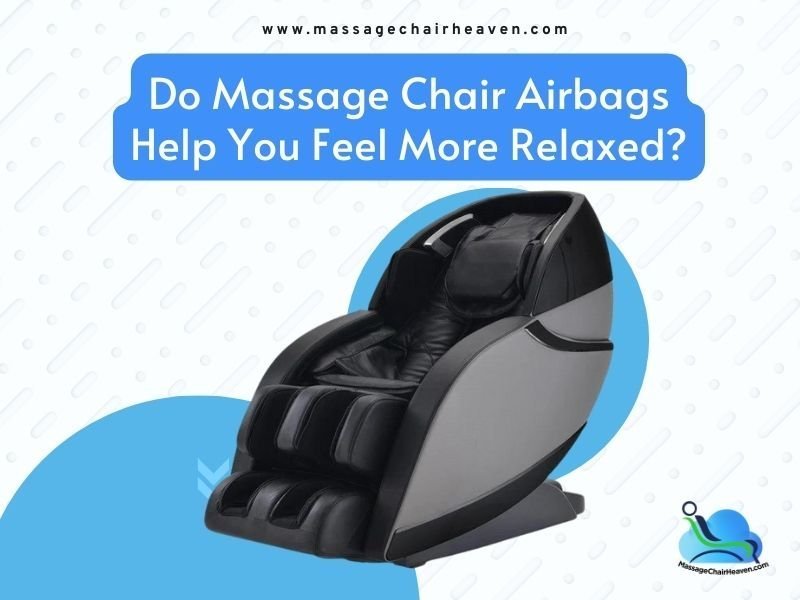
Airbag pressure is influenced by more than the intensity level shown on the remote. The chair’s design, user body shape, clothing, seating position, and selected program all affect how firm compression feels.
Credit: massagechairheaven.com
Intensity settings and program design
Most massage chairs offer at least a few air-pressure levels, commonly described as low, medium, and high. Higher settings may inflate the airbags more firmly, keep them inflated longer, or activate more zones at the same time. A “stretch” program may also feel stronger than a relaxation program, even at the same stated intensity.
Program names are not standardized. One chair’s gentle setting may still feel firm to a smaller person, while another chair’s high setting may feel mild to a larger user. That is why adjustment range is more useful than a marketing label alone.
Body size and chair fit
A massage chair with airbags must fit the person using it. Narrow shoulder space can increase upper-body pressure. Shallow arm channels can press on wrists rather than forearms. A short leg rest can shift calf compression toward the knees or ankles.
Look beyond a chair’s overall dimensions. Useful fit details include:
- The recommended user height range, if provided by the manufacturer.
- The maximum supported user weight.
- Shoulder width adjustment or body-scanning capability.
- Arm channel width and entry design.
- Leg-rest extension range and calf compartment length.
- Whether the chair accommodates different foot sizes comfortably.
Manufacturer guidance is important, but personal preference still plays a role. A person near the edge of a published size range may find some zones excellent and others less suitable.
Clothing and body position
Thin, flexible clothing usually allows compression to feel more direct. Thick seams, bulky pockets, belts, watches, jewelry, and hard objects can create pressure points and should be removed before using the chair. Shoes are usually not appropriate in enclosed foot compartments unless the manufacturer specifically says otherwise.
How you sit also changes the massage. If your hips are not fully back in the seat, the waist and hip airbags may inflate against the wrong area. If your arms are held outside the channels, you may lose the intended support and create awkward shoulder tension.
Recline angle
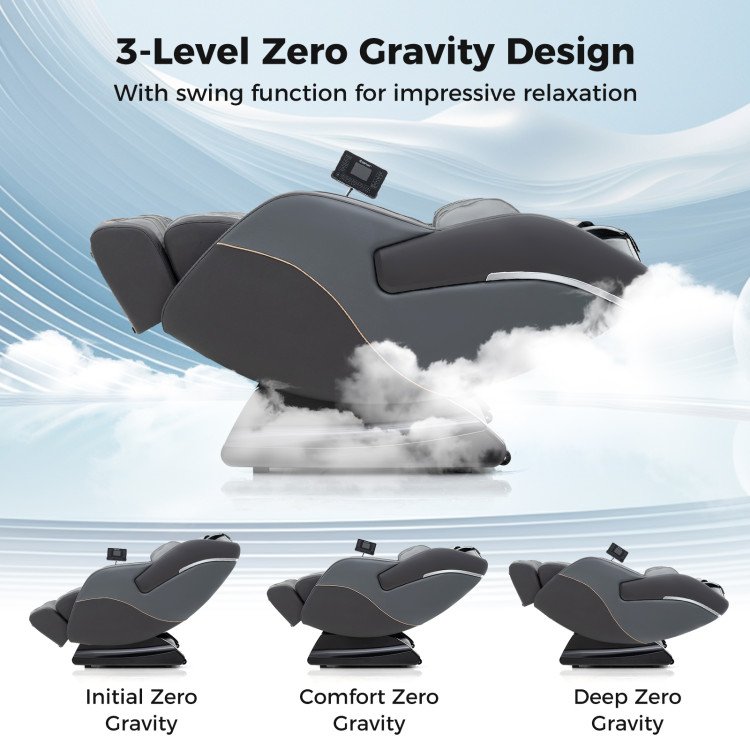
Reclining redistributes body weight and changes how firmly you meet the airbags. In an upright position, shoulder and hip airbags may feel more noticeable. In a deeper recline, the body may settle more evenly into the chair, while calf and foot compression can become more prominent.
Zero-gravity-style recline positions, where the legs are raised and the body is more evenly supported, can make some programs feel less harsh. Still, the best position is the one that allows you to relax without strain in the neck, lower back, knees, or shoulders.
Comfort Is About Control, Not Maximum Compression
A comfortable airbag massage should feel predictable, evenly distributed, and easy to modify. Stronger compression is not automatically more effective or more enjoyable. In fact, excessive pressure can cause discomfort, interrupt relaxation, and make a chair less useful for regular sessions.
Prioritize controls that let you adapt the massage rather than accepting a single fixed experience.
Useful airbag controls to look for
- Multiple air-intensity levels: Low settings are useful for first-time users and sensitive areas.
- Zone selection: The ability to activate or deactivate arms, shoulders, hips, calves, or feet independently.
- Manual programs: Controls that allow you to combine roller modes with selected airbag zones.
- Stretch controls: A separate way to limit or skip stretching movements if they feel too forceful.
- Memory settings: Helpful in shared households when users prefer different pressure levels.
- Easy-access controls: A clear remote or side-panel control makes mid-session adjustment much more practical.
Independent zone control is particularly useful. You may enjoy calf compression but dislike shoulder squeezing, or prefer arm airbags only when using a back roller program. A chair that treats all air cells as one on-or-off system offers less flexibility.
Signs that the pressure is too high
Stop or reduce the intensity if compression causes pain, tingling, numbness, sharp pinching, cramping, or lingering soreness. You should also pause the session if you feel lightheaded, unwell, or unable to relax normally.
Do not assume discomfort is something to “work through.” Airbag massage is intended for comfort and relaxation, not for tolerating excessive force. Repositioning yourself, lowering the setting, disabling a zone, or using a shorter program may solve the problem.
How to Set Up a Comfortable Airbag Massage Session
A few simple adjustments can make a major difference, especially during the first week with a new chair.
- Begin with a short session. Use a gentle automatic program or manual mode instead of starting with the longest or strongest option.
- Sit fully back in the chair. Keep your hips against the back of the seat and allow your shoulders to rest naturally against the backrest.
- Start air pressure at the lowest practical setting. Increase only after you know how each zone feels.
- Adjust one feature at a time. If the chair feels too intense, lower air pressure before changing every massage setting at once.
- Check the leg and foot position. Your calves and feet should rest naturally without pushing hard against the end of the ottoman.
- Use arm channels correctly. Place your forearms where intended and keep hands relaxed rather than gripping the sides of the chair.
- Reassess after a few minutes. What feels pleasant at the start may become too strong once several zones inflate together.
If the chair includes a body scan, allow it to complete before judging roller and shoulder placement. Scanning does not guarantee a perfect fit, but it can help the chair position its back massage more appropriately.
Credit: costway.com
Airbag Massage Programs and Stretching Functions
Many chairs use airbags as part of automated programs rather than as a stand-alone feature. Understanding the program’s goal helps you choose a more comfortable setting.
Relaxation and recovery-style programs
These programs often alternate gentle roller movement with moderate compression in the arms, legs, and hips. The pacing is usually slower, and airbags may inflate in waves rather than all at once. This type of program is generally a sensible starting point for people who want a calming, full-body session.
Stretch programs
Stretch programs commonly use shoulder, hip, calf, or ankle airbags to hold parts of the body while the chair reclines, shifts, or changes leg-rest position. The goal is to create a mild traction-like sensation and encourage movement through a broader range of positions.
These programs can feel more intense than standard compression. They should not cause pain or force a joint beyond a comfortable position. If you have an injury, recent surgery, significant joint limitations, or uncertainty about whether stretching massage is appropriate for you, seek advice from a qualified healthcare professional before using this mode.
Full-body programs
Full-body programs may activate several airbag zones at once. This can feel immersive, but it can also be overwhelming for users who prefer a lighter touch. A good chair lets you reduce air intensity without losing all other massage functions.
For routine use, many people find alternating zones more comfortable than simultaneous maximum compression. The pause between inflation cycles gives the body time to relax and prevents the chair from feeling overly confining.
Choosing a Massage Chair with Airbags
When comparing models, avoid focusing solely on the advertised airbag count. Brands may count chambers differently, and a larger number does not reveal where the airbags are located, how well they are shaped, or how independently they can be controlled.
Instead, evaluate the practical features that affect daily comfort.
| What to Evaluate | Why It Matters |
|---|---|
| Airbag placement | Determines whether the chair reaches the arms, shoulders, hips, calves, and feet you care about. |
| Intensity range | Helps the chair suit both gentle and firmer pressure preferences. |
| Independent zone control | Lets you avoid areas that feel too restrictive or target preferred zones. |
| Body-size fit | Improves alignment in shoulder, arm, calf, and foot compartments. |
| Leg-rest adjustment | Supports more natural calf and foot positioning for different heights. |
| Recline and space needs | Affects comfort and determines whether the chair can fit in the intended room. |
| Controls and program customization | Makes it easier to use the chair consistently rather than relying on one preset. |
| Upholstery access and cleaning | Matters because arm and foot compartments can collect dust and body oils over time. |
Consider the room as well as the chair
Massage chairs can be large, heavy, and difficult to reposition after delivery. Measure the intended space, doorways, hallways, and clearance required for recline before purchasing. A space-saving wall-hugging design may need less room behind the chair, but it still needs adequate clearance around the sides, footrest, and entry path.
Also consider how easily you can get into and out of the chair. Deep arm channels, high side panels, and extended footrests may be less convenient for people with reduced mobility.
Maintenance and Care for Airbag Systems
Airbags are enclosed components, so owners typically should not attempt to open, patch, or repair them. Follow the manufacturer’s care instructions for the upholstery, controls, and moving parts.
To help keep the system working properly:
- Keep sharp items, pens, keys, and pet claws away from the upholstery and air compartments.
- Do not sit on arm channels, footwells, or an extended leg rest unless the manufacturer explicitly permits it.
- Use the chair on a stable, level surface with appropriate ventilation around its mechanical components.
- Clean accessible surfaces with materials approved by the manufacturer; avoid soaking seams or control panels.
- Check for unusual noises, uneven inflation, persistent error messages, or upholstery damage.
- Contact authorized service support rather than using the chair if an airbag zone no longer inflates normally or creates abnormal pressure.
Do not exceed the stated user weight limit. Doing so can place excess stress on the frame, recline mechanism, leg rest, and internal air system.
Credit: massagechairheaven.com
Who Should Use Extra Caution?
A massage chair is a comfort product, not a substitute for medical assessment or treatment. People who are pregnant, have a circulation disorder, blood-clotting concerns, neuropathy, an implanted medical device, severe osteoporosis, recent surgery, fractures, or significant pain should consult an appropriate healthcare professional before using compression or stretching functions.
Extra caution is also sensible when sensation is reduced in the feet or lower legs. If you cannot reliably feel whether pressure is becoming excessive, avoid high-intensity calf and foot airbag settings unless a clinician has advised that use is appropriate.
Children should not use a massage chair unsupervised. Pets should be kept clear of moving sections, footrests, and airbag compartments during operation.
Frequently Asked Questions
Do massage chair airbags actually massage muscles?
Airbags primarily provide rhythmic compression rather than deep kneading. They can create a soothing squeezing sensation around limbs and body sides, while rollers typically provide more direct movement along the back muscles. Many people prefer a combination of both systems.
Why do calf airbags feel stronger than arm airbags?
The calves sit inside a more enclosed compartment, so pressure is often felt across a smaller, more contained area. Leg position, calf size, recline angle, and the selected program can also make lower-leg compression feel more intense.
Can I use a massage chair with airbags every day?
Daily use may be comfortable for some people when sessions are moderate and do not cause pain or lingering soreness. Follow the manufacturer’s guidance, begin with shorter sessions, and reduce intensity or frequency if your body feels irritated afterward.
Are more airbags better in a massage chair?
Not necessarily. Effective placement, smooth inflation, useful pressure adjustments, and proper body fit are usually more important than the total number of air chambers listed in product specifications.
What should I do if one side of the chair feels tighter than the other?
First, check your seating position and make sure clothing, objects, or an improperly placed arm or leg are not affecting the fit. If the uneven pressure continues across multiple sessions or programs, stop using that function and contact the manufacturer or an authorized service provider.