
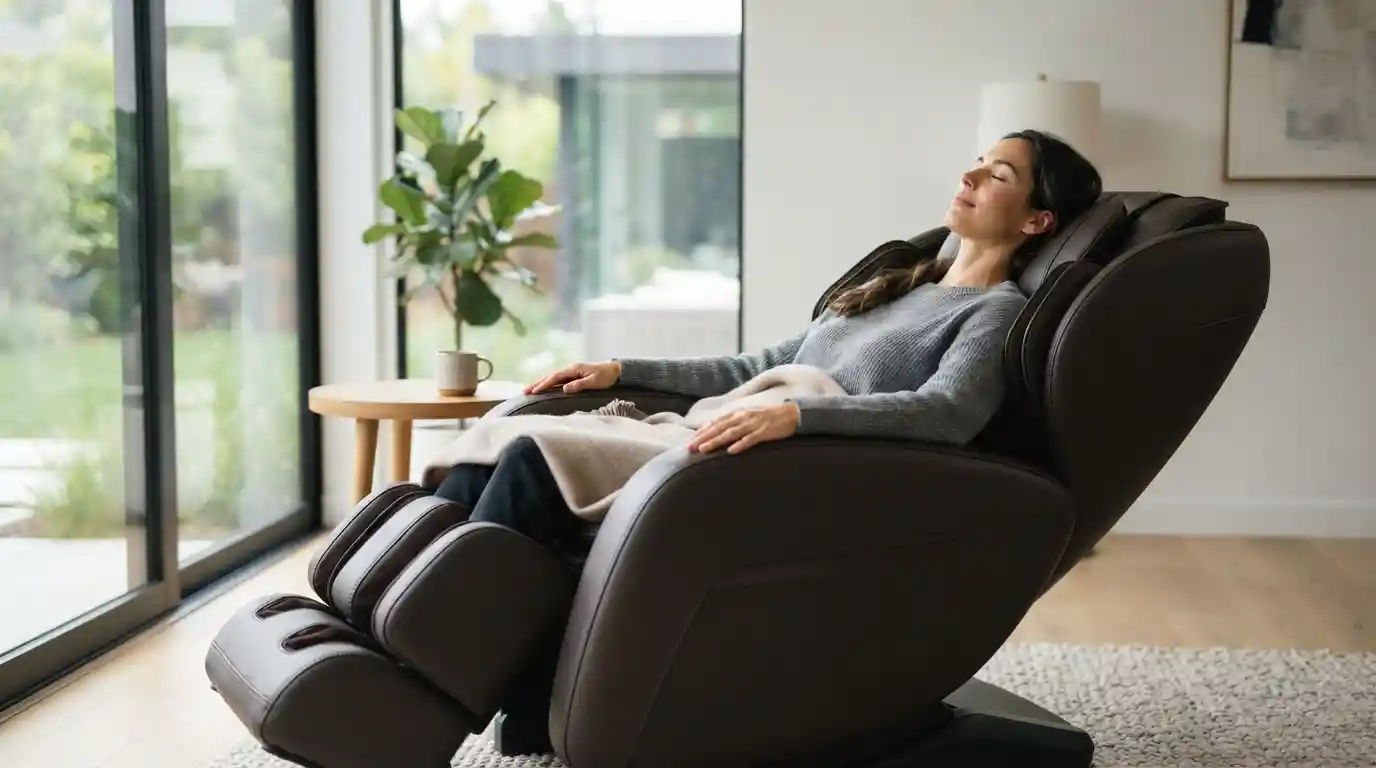
Knowing how to use massage chair settings properly can make the difference between a comfortable recovery session and an experience that feels too intense, awkward, or ineffective. Modern chairs often combine roller massage, airbags, heat, reclining positions, and automatic programs, so the best setting is not always the strongest one.
Start gently, make one adjustment at a time, and pay attention to how your body responds during and after the session. A massage chair is designed for relaxation and temporary comfort, not as a substitute for medical diagnosis or treatment.
This guide explains how to use massage chair controls safely, choose settings for common comfort goals, fit the chair to your body, and avoid the mistakes that can make a session less enjoyable.
Start With the Manual and a Basic Safety Check
Each massage chair has its own remote control layout, programs, recline range, and safety features. Before using a new chair, read the manufacturer’s instructions for its specific controls, recommended session length, maintenance requirements, and user restrictions.
Then perform a quick check before every session. This is especially important in homes with children, pets, or limited floor space around the chair.
- Make sure the power cord and plug are undamaged and dry.
- Check that no objects, toys, cables, or pets are behind or underneath the chair.
- Leave enough clearance for the backrest and footrest to move through their full range.
- Remove bulky items from your pockets, including keys, phones, wallets, and hard belt accessories.
- Wear comfortable clothing that does not have thick seams, sharp fasteners, or loose cords.
- Confirm that the seat, footrest, and arm areas are clear before sitting down.
Do not use a chair with torn upholstery exposing internal parts, unusual noises, a damaged power cable, or movement that seems erratic. Turn it off and contact the manufacturer or a qualified service provider rather than trying to repair internal components yourself.
Who Should Use Extra Caution
Massage chairs can feel pleasant for many people, but strong mechanical pressure, compression, heat, and reclining may not be appropriate for everyone. If you have a health condition, recent injury, unexplained pain, or are unsure whether massage is suitable for you, ask a qualified healthcare professional before use.
Extra caution is sensible for people who are pregnant; have reduced sensation or circulation problems; use blood-thinning medication; have osteoporosis or fragile bones; have a pacemaker or other implanted medical device; or are recovering from surgery. The same applies to anyone with a hernia, severe joint problems, a clotting disorder, skin wounds, significant swelling, or acute inflammation.
Avoid placing intense massage directly over an area that is newly injured, bruised, numb, infected, or sharply painful. Stop the session if you feel pain, dizziness, nausea, tingling, weakness, shortness of breath, or any other concerning symptom. A massage chair should feel comfortably firm at most; it should not require you to tolerate pain to “get results.”
How to Use Massage Chair Controls Step by Step
The exact buttons differ by model, but most chairs follow the same basic setup process. Taking a minute to set your position before choosing a program helps the rollers and airbags contact the intended areas.
- Sit fully back in the seat. Place your hips near the rear of the cushion and rest your back against the backrest. Avoid perching on the front edge of the seat.
- Position your arms and legs naturally. Place your arms in the designated arm channels if your chair has them. Set your calves and feet into the footrest without forcing them into place.
- Run the body scan, if available. Many chairs use a shoulder or body scan to locate your upper back and adjust roller travel. Stay still while it runs.
- Check shoulder position. If the roller track begins too high near the neck or too low on the shoulder blades, use the shoulder-position control if provided. This is one of the most important adjustments for comfort.
- Choose a gentle automatic program or manual technique. For your first session, select a mild full-body program or low-intensity rolling mode rather than a deep-tissue or vigorous stretching program.
- Set a short session. Begin with the shortest practical duration. You can increase time gradually on later days if your body responds well.
- Adjust intensity slowly. Raise roller pressure, air compression, or speed one level at a time. Wait long enough to feel the change before increasing it again.
- Use recline only after you are settled. Reclining can change where the rollers contact your body. Move gradually and stop at a position where your neck, lower back, and knees feel supported.
- End and exit carefully. Return the chair to its upright position before standing. Wait until all moving parts stop, then rise slowly, particularly after a long reclined session.
Understand the Main Massage Chair Settings
Learning what each setting does makes it easier to build a session around comfort instead of relying entirely on preset programs. Names vary between brands, but the functions below are common.
| Setting | What It Usually Does | How to Use It Safely |
|---|---|---|
| Roller intensity | Changes the pressure of the massage rollers against your back. | Start low, especially around the upper back and lower back. Increase only if the pressure remains comfortable. |
| Speed | Changes how quickly rollers move, tap, knead, or tap-and-knead. | A slower speed is often easier to tolerate when learning a new technique or targeting a sensitive area. |
| Width | Adjusts the distance between rollers on some manual modes. | Use a wider setting for broader back coverage and a narrower setting only when it feels aligned with the muscles beside the spine. |
| Air compression | Inflates airbags around the shoulders, arms, hips, calves, or feet. | Keep compression low at first. It should feel like a controlled squeeze, not pinching, numbness, or restricted circulation. |
| Recline or zero-gravity position | Tilts the chair back and commonly raises the legs. | Use a gradual recline and support your head comfortably. Do not use a position that causes dizziness or makes getting out difficult. |
| Heat | Adds gentle warmth to selected areas, often the lower back or calves. | Use modest heat and avoid prolonged use if you have reduced heat sensation or any concern about skin sensitivity. |
| Target or spot mode | Keeps the massage focused on a chosen area instead of traveling across the whole back. | Use briefly and avoid concentrating strong pressure on one painful spot for an extended time. |
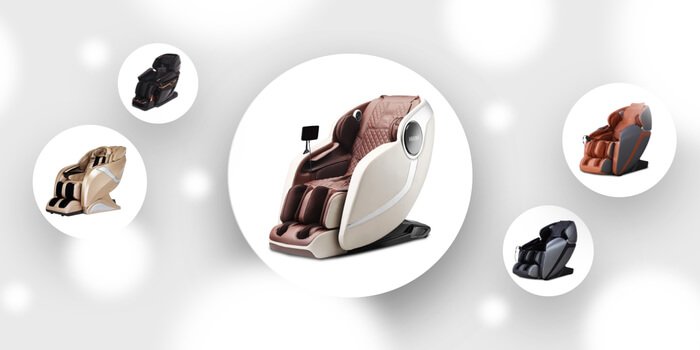
Credit: massagechairstore.com
Roller Techniques: Rolling, Kneading, Tapping, and Shiatsu
Roller techniques are often the core of a massage chair session. They may be named differently, but their general feel is predictable.
- Rolling moves smoothly up and down the back. It is usually a good starting choice because it provides broad, even contact.
- Kneading uses circular or alternating movements that can feel more focused. A lower intensity is often more comfortable for beginners.
- Tapping creates a rhythmic, percussive sensation. It can feel brisk, so reduce speed or intensity if it is uncomfortable.
- Shiatsu-style programs often use slower, more concentrated pressure patterns. They may feel stronger than simple rolling, particularly around the shoulder blades.
- Combination modes alternate techniques. These can be useful when you want variety but may be harder to evaluate if you are still learning your preferences.
Do not assume that a deeper technique is automatically better. The right setting is the one that provides comfortable pressure without causing you to tense your muscles, hold your breath, or brace against the chair.
Set the Chair to Fit Your Body
Even a high-quality chair can feel wrong when its rollers are not aligned with your body. Proper fit matters more than many people realize, particularly for shorter or taller users and those with broader shoulders, longer legs, or a sensitive neck.
Adjust the Shoulder Scan Before Increasing Intensity
When the shoulder setting is too high, rollers may press into the base of the neck rather than the upper back. When it is too low, the chair may miss the upper trapezius area and concentrate pressure around the shoulder blades.
Use the chair’s shoulder-position adjustment, if available, until the top of the roller path reaches the upper back without traveling uncomfortably into the neck. Recheck this setting whenever a different person uses the chair.
Use Footrest Length and Calf Position Carefully
Many chairs extend the footrest manually, automatically, or through gentle leg pressure. Do not force it to reach an uncomfortable length. Your knees should remain slightly relaxed rather than locked, and your feet should rest naturally in the foot wells.
If calf airbags feel too tight, reduce the compression setting or reposition your legs. Stop if you notice tingling, pain, numbness, or an unpleasantly cold feeling in your feet.
Support Your Head and Neck
Some chairs include a removable head pillow or pad. Keeping it in place reduces roller pressure near the upper back and neck. Removing or folding it back can make the massage feel stronger, but it should be done gradually and only if the roller path is already correctly positioned.
Do not use a massage chair to force your neck into a position that feels unnatural. If your head is pushed forward, unsupported, or strained in a reclined position, adjust the pillow, recline angle, or program.
Choose Settings Based on Your Goal
Preset programs can be convenient, but they are only starting points. Think about what you want from the session, then make a few simple manual adjustments instead of choosing the most intense program by default.
Credit: massagechairheaven.com
For General Relaxation
Choose a gentle full-body or relaxation program with low-to-moderate roller pressure, light air compression, and a comfortable recline. Rolling or slow kneading tends to be easier to relax into than rapid tapping. If your chair offers heat and you tolerate it well, use it at a modest setting.
The goal is to finish feeling calm and comfortable, not heavily worked over. Lower intensity is especially sensible in the evening, after a stressful day, or when you are new to the chair.
For Stiffness After Sitting
If you have been sitting at a desk or driving for a long period, begin with a broad back program and moderate recline. Gentle rolling can help you feel less rigid without concentrating force on one area. Light calf or foot massage may also feel pleasant after being inactive.
Use the chair as a break from prolonged sitting, not as a reason to remain sedentary longer. Stand up afterward, walk briefly, and change positions regularly during the day.
For Lower-Back Comfort
Use a low intensity first, because lower-back sensitivity varies widely. A mild rolling or kneading mode combined with a slight recline may be more comfortable than a strong spot massage. Keep the chair’s lumbar area in contact with your back, and avoid settings that cause sharp pressure directly over the spine.
If back pain is severe, follows an injury, travels down a leg, or comes with weakness, numbness, bladder or bowel changes, or fever, seek medical advice rather than trying to manage it with chair settings.
For Tired Legs and Feet
Start calf and foot compression at a low setting. Increase slowly only if the squeeze and release pattern feels comfortable. Foot rollers can feel intense, particularly through thin socks or on sensitive feet, so use a lower level or thicker socks if your chair manual permits normal sock use.
Avoid using strong leg compression if you have unexplained leg swelling, sudden calf pain, known circulation concerns, or a condition for which compression may be unsuitable without professional guidance.
Use Session Length and Frequency Sensibly
More time is not always more effective. Long or repeated high-intensity sessions can leave muscles feeling tender, especially when you are new to massage chairs or return after a break.
Use the chair’s timer rather than overriding it repeatedly. Begin with a short session at gentle settings and evaluate how you feel later that day and the following morning. If you experience lingering soreness, reduce one or more variables next time: session duration, roller intensity, air compression, speed, or the amount of time spent in spot mode.
A useful approach is to change only one setting at a time. For example, keep your usual duration and technique but increase air compression by one level. This makes it easier to identify what improves comfort and what makes the session too strong.
Common Mistakes When Learning How to Use a Massage Chair
Starting With the Strongest Automatic Program
Intense programs can combine firm rollers, vigorous airbags, stretching movements, and longer cycles. Starting there gives your body little time to adapt and makes it hard to know which feature feels uncomfortable. Begin gently and build up only when needed.
Ignoring Roller Alignment
Many people increase intensity because the massage does not reach the right area. Often the better solution is to adjust the shoulder position, sit farther back, or choose a different technique. Strong rollers in the wrong location rarely feel better.
Using Spot Massage for Too Long
Targeted massage can be useful, but prolonged pressure in a single area may cause soreness or irritation. Move the target, switch to a traveling roller mode, or end the session if the area begins to feel tender.
Falling Asleep in the Chair
A reclined chair can be relaxing enough to make users drowsy. However, sleeping through a session may leave you in one position longer than intended and prevent you from noticing discomfort. Use the timer and remain alert enough to adjust or stop the massage.
Using the Chair When You Are Numb, Ill, or Dehydrated
Reduced sensation can make it difficult to judge excessive pressure or heat. Feeling unwell, lightheaded, or dehydrated may also make reclining and standing up less comfortable. Wait until you feel well and can monitor your response normally.
Clean and Maintain the Chair for Safe Use
Regular care helps preserve the upholstery, controls, and moving parts. Turn off and unplug the chair before cleaning unless the manufacturer specifically instructs otherwise. Use only the cleaning methods recommended for the chair’s upholstery, since harsh chemicals or excess moisture can damage synthetic leather, fabric, seams, and electronics.
- Wipe surfaces with a soft cloth as directed in the manual.
- Keep food, drinks, oils, and lotions away from the controls and upholstery.
- Inspect the power cord and moving areas periodically.
- Do not place heavy objects on the chair or footrest.
- Keep the chair in a dry indoor location away from direct heat sources.
- Use the manufacturer’s approved service process for faults, replacement parts, or unusual mechanical sounds.
Credit: goodhousekeeping.com
Frequently Asked Questions
Should I use a massage chair before or after exercise?
A gentle session may feel comfortable before exercise if it helps you relax, while a low-to-moderate session afterward may feel soothing after activity. Avoid very intense pressure immediately before an activity that requires maximum strength, balance, or coordination. Let comfort and your usual response guide the timing.
Can I use a massage chair every day?
Many people can use a chair regularly at comfortable settings, but daily use is not necessary for everyone. Follow the chair’s instructions, start with shorter sessions, and reduce frequency or intensity if you develop persistent soreness or irritation.
What should I wear in a massage chair?
Light, comfortable clothing is usually best. Avoid thick jackets, bulky seams, hard objects in pockets, and clothing with sharp or loose accessories. Socks can make foot rollers feel less intense for some users.
Why do the rollers feel uneven on my back?
Uneven pressure may happen because of body position, shoulder-scan alignment, posture, or natural differences in muscle tension. Sit fully back, rerun the body scan if available, adjust the shoulder position, and lower the intensity before assuming there is a problem with the chair.
When should I stop using a massage chair and seek professional advice?
Stop using the chair if it causes sharp pain, worsening symptoms, dizziness, numbness, weakness, or unusual swelling. Seek timely medical advice for persistent or unexplained pain, pain after an injury, or symptoms that affect normal movement or daily activities.
Sources & References
Always follow the safety limits and operating instructions for your exact chair model.