
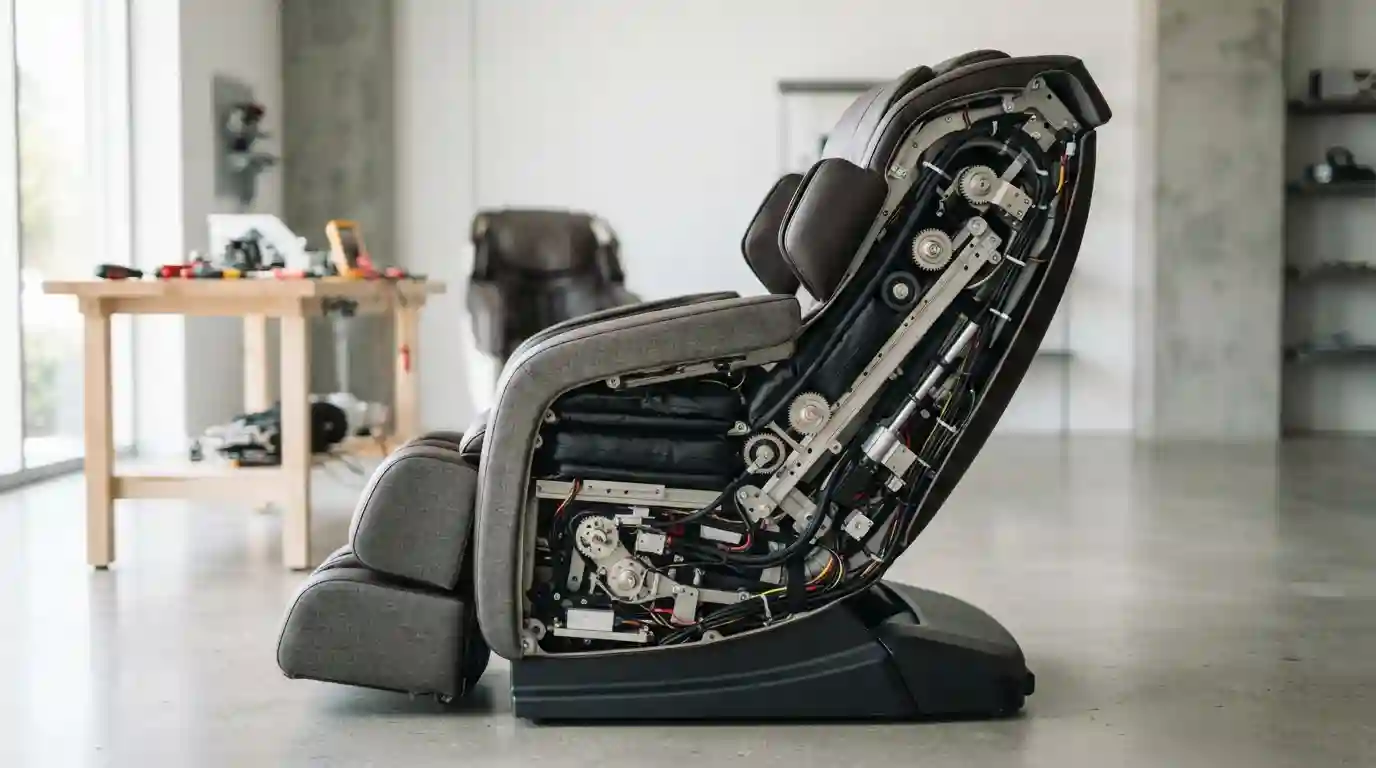
Massage chairs are expensive because they combine specialized mechanical parts, electronics, upholstery, safety systems, and bulky-product logistics in one large appliance. A basic chair may provide vibration and simple rolling, while a premium model can include a powered recline system, body-scanning sensors, multiple motors, air compression, heat, and sophisticated controls.
If you are asking why are massage chairs so expensive, the short answer is that the purchase price reflects far more than a padded seat. The cost comes from the massage mechanism, the number and quality of moving components, engineering and testing, materials, shipping, retailer support, and the warranty service needed for a heavy product with many potential wear points.
Price alone does not prove that one massage chair is right for everyone. However, understanding where the money goes makes it easier to distinguish meaningful features from extras that may not matter for your comfort, space, or budget.
A massage chair is a complex piece of furniture and machinery
A conventional armchair mainly needs a sturdy frame, cushioning, upholstery, and a reclining mechanism if it reclines. A massage chair must also contain a coordinated mechanical system that moves against the body while remaining stable, reasonably quiet, and safe to use.
Even a mid-range model may include several separate systems:
- A roller track and massage carriage for the back
- Electric motors, gears, belts, and drive components
- Air pumps, valves, and airbags for compression massage
- Power recline and leg-rest mechanisms
- Wiring, circuit boards, sensors, and a remote or control panel
- Heating elements in selected areas
- Foam, upholstery, padding, and a reinforced frame
- Safety features that manage power, movement, and overheating risks
These parts have to fit inside a chair that is comfortable enough to sit in and strong enough to support repeated movement. The design challenge is not simply adding more features. It is integrating them without creating excessive noise, uncomfortable pressure points, difficult repairs, or a chair too large for a typical home.
The massage mechanism is usually the biggest cost driver
The massage mechanism is the core of the chair. It determines how the chair applies rolling, kneading, tapping, and related movements along the back. Better mechanisms typically require more precise parts, stronger motors, smoother movement, and more careful calibration.
Roller tracks and massage carriages
Many massage chairs use a moving roller carriage that travels along a track in the backrest. The track guides the rollers from the upper back toward the lower back and, in some designs, farther toward the seat area.
A shorter or simpler track can still provide pleasant back massage, but it has less coverage and may offer fewer ways to position the rollers. A longer, more contoured track generally requires additional structural support and more complicated engineering. The carriage must travel smoothly, stay aligned, and support the rollers as they move under load.
Marketing terms for track shape can vary between brands, so they should not be treated as a guarantee of quality. What matters more is whether the roller path matches your body reasonably well, reaches the areas you want massaged, and feels controlled rather than harsh or imprecise.
Motors, gears, and moving parts
Massage motions are produced by motors and mechanical linkages. More advanced chairs may use separate motors for the roller carriage, reclining functions, leg-rest adjustments, and other features. Air compression systems add pumps and valves, while foot massage modules can introduce additional rollers or moving components.
Parts that move repeatedly need to be durable, properly mounted, and protected from strain. Lower-cost components can work, but they may be noisier, less smooth, or more prone to wear over time. Higher-priced chairs often devote more of their build budget to motor quality, structural reinforcement, and mechanisms designed for regular use.
That does not mean every expensive model has the most reliable mechanism. It means the mechanism is one of the areas where manufacturing shortcuts are especially noticeable.
Body scanning and positioning systems
Many chairs use sensors or pressure-based detection to estimate shoulder position and body shape before starting a program. The chair then adjusts the roller range or massage location to better suit the user.
These systems can improve convenience, but they are not perfect medical assessments of posture or anatomy. People with very broad shoulders, a short torso, or a body shape outside the chair’s intended fit range may still need to adjust the shoulder position manually. Developing and refining scanning software, sensors, and control logic adds cost, particularly when a manufacturer aims for consistent results across different users.
Air compression massage adds more hardware than it appears to
Air compression massage may look simple from the outside: cushions inflate around the shoulders, arms, hips, calves, or feet, then release. Inside the chair, this requires an air pump, hoses, valves, chambers, and control programming that coordinates the inflation pattern.
A chair with air massage in several areas needs more tubing and more components than one with a limited compression system. It also needs upholstery and padding designed to accommodate those airbags without making the chair feel lumpy when the system is off.
The usefulness of air compression depends on fit and tuning. Well-positioned airbags can create a gentle squeezing sensation and help hold parts of the body in place during a massage program. Poorly placed or overly forceful airbags may feel restrictive. More zones are not automatically better if the chair does not fit the person using it.
Recline, zero-gravity-style positions, and leg mechanisms raise the build cost
Many shoppers want a massage chair that reclines deeply and lifts the legs. These functions can make a session more comfortable, but powered movement adds another layer of engineering.
A reclining chair needs a strong frame, stable pivot points, motors, controls, and safety considerations around moving sections. Models designed to recline close to a wall often use special sliding or forward-moving mechanisms so the backrest can move without requiring as much rear clearance. That convenience can increase complexity and cost.
Leg-rest systems also vary widely. Some are fixed, while others extend or adjust to accommodate different heights. An adjustable leg section can improve fit for a household with more than one user, but it has additional moving parts that need to operate reliably.
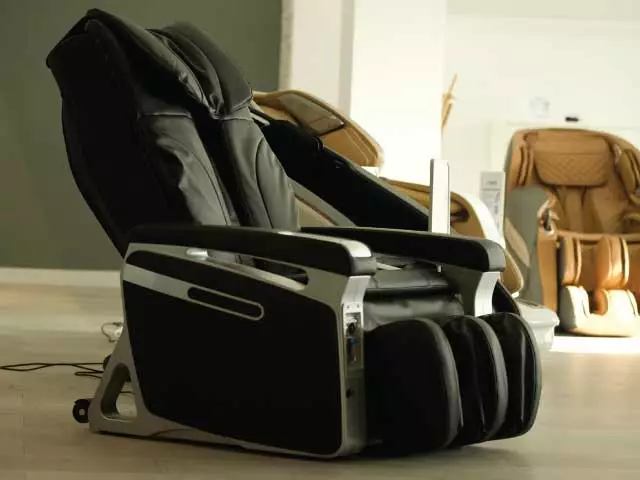
Terms such as “zero gravity” generally describe a reclined position intended to distribute body weight more evenly. It may feel comfortable for many users, but it is a comfort feature rather than a medical treatment. Whether it is worthwhile depends on how you prefer to sit and whether your room has enough space for the chair’s full recline range.
Credit: massage-chair-relief.com
Materials affect comfort, appearance, and long-term durability
Massage chairs are often judged by their electronics, but the non-electronic materials matter just as much. A chair can have an impressive feature list and still disappoint if its upholstery peels quickly, its foam compresses too soon, or its frame flexes under normal use.
Frame and structural support
The frame has to support the user while also carrying motors, roller assemblies, and moving recline parts. A stronger frame and well-designed mounting points can improve stability and reduce rattling. Reinforcement adds material, weight, and assembly time.
Upholstery and foam
Massage chairs commonly use synthetic upholstery because it can be shaped around moving components and is relatively easy to wipe clean. Quality varies considerably. The feel, thickness, backing material, stitching, and resistance to everyday wear all influence cost.
Foam density and layering matter as well. Too much thick padding can dull the massage rollers, while too little can make the massage feel uncomfortably intense. Designers need to balance cushioning with the ability of the mechanism to reach the body. Achieving that balance can require more careful material selection than a standard recliner.
Foot and calf areas
Footwells and calf modules experience regular friction from socks, bare feet, and repeated movement. Removable or washable inserts can be useful, but they add design and production considerations. More elaborate foot massage systems also need durable internal components and surfaces that can tolerate frequent contact.
Engineering, software, and safety testing are built into the price
A massage chair is not merely assembled from off-the-shelf components. Manufacturers must design the chair so its systems work together: rollers should stop at appropriate limits, recline mechanisms should operate predictably, airbags should inflate and deflate in sequence, and controls should be understandable.
Product development may involve mechanical design, electronics, software programming, prototypes, durability checks, and quality-control procedures. The more features a chair has, the more interactions the manufacturer must account for. For example, a chair may need to coordinate a recline position with calf adjustment, roller travel, heat settings, and user controls without causing interference.
Electrical safety is also important. A chair includes powered components that generate movement and sometimes heat, so reputable products should be designed and tested for their intended market. Standards and certification requirements vary by region. Buyers should look for clear documentation, a real manufacturer or distributor, and support that is available where the chair will be used.
Less established sellers may offer a similar-looking chair at a much lower price by using simpler components, offering limited testing documentation, providing little after-sales support, or selling directly without the costs associated with local service infrastructure. That does not automatically make every low-priced option unsafe or poor, but it does increase the importance of careful research.
Shipping a massage chair is unusually expensive
Massage chairs are large, heavy, and awkward to transport. They usually require freight handling rather than ordinary parcel shipping, and the packaging must protect a product with upholstery, electronics, and mechanisms from damage in transit.
Freight costs can include warehousing, pallets or specialized cartons, loading equipment, residential delivery coordination, and insurance against transport damage. International shipping can add import duties, port fees, and currency-related costs. These expenses are often built into the advertised price, even when a retailer promotes “free delivery.”
Delivery does not always mean installation. Some chairs arrive assembled or nearly assembled, while others require fitting the side panels, arm sections, or other modules. White-glove delivery and in-home setup can be valuable for a heavy chair, but they usually cost more than threshold delivery.
Retail markup supports inventory, service, and customer assistance
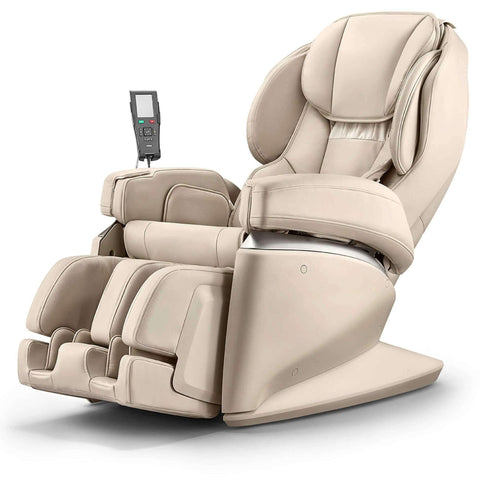
Massage chair pricing can seem high because the retail price covers more than the factory cost. Retailers and distributors may need to pay for showroom space, demonstration units, warehouses, delivery teams, customer service staff, payment processing, advertising, and returns.
A retailer that maintains spare parts and helps arrange repairs has higher operating costs than a seller that simply ships a boxed product and offers limited follow-up. This is one reason seemingly comparable models can have noticeably different prices.
There is also a practical challenge with returns. Returning a large massage chair is more complicated and expensive than returning a small appliance. Some sellers charge return shipping or restocking fees, especially if a chair has been unpacked and used. Reading those policies before ordering is essential.
Credit: syncamassagechair.com
Warranty coverage has a real cost—and its details matter more than its length
Massage chairs have many potential service points: rollers, motors, air pumps, remotes, power supplies, upholstery, and reclining mechanisms. A warranty can help protect against manufacturing defects, but coverage varies greatly.
When comparing chairs, look beyond the headline warranty period. Check:
- Which components are covered and for how long
- Whether labor is included or parts only
- Whether in-home service is available in your area
- Who pays for technician travel or shipping of replacement parts
- Whether upholstery and normal wear are excluded
- What actions may void coverage, such as commercial use or unauthorized repairs
A longer warranty is helpful only if the company is reachable and has a workable process for supplying parts or service. In some cases, paying more for a model from a seller with established support may be more sensible than buying a cheaper chair with unclear warranty terms.
Why features create large price gaps
Massage chairs are often grouped into entry-level, mid-range, and premium categories, but the differences are not always obvious from product photos. The following comparison shows where price increases commonly come from.
| Cost area | Lower-cost approach | Higher-cost approach | What it can mean for the buyer |
|---|---|---|---|
| Back massage | Simpler roller action or limited coverage | More refined roller carriage, track, and adjustment options | Potentially broader coverage and more control over intensity and position |
| Air massage | Fewer airbags or basic compression patterns | More zones, valves, and programmed sequences | More body areas may be covered, though fit still matters |
| Recline system | Basic positioning or limited adjustment | Powered recline, coordinated leg support, space-saving movement | Greater comfort and convenience, with more mechanical complexity |
| Controls | Simple remote and preset programs | Body scanning, targeted settings, memory functions, and app-style interfaces | More personalization, but not every control option will be used |
| Support after purchase | Limited parts availability or remote-only support | Clear warranty process, service network, and spare-parts planning | Potentially easier ownership if repairs are needed |
Not every premium feature is equally valuable. For some people, a quieter mechanism and comfortable shoulder fit matter far more than a large menu of automatic programs. For others, deep recline or adjustable calf support may justify spending more. The best value comes from paying for the components you will actually use.
Higher price does not always equal better value
It is possible to overpay for a massage chair. High prices can reflect branding, showroom costs, decorative finishes, bundled accessories, or features that sound impressive but have little practical effect on your experience.
Before treating a chair as a premium option, evaluate the fundamentals:
- Does the chair fit your height, shoulder width, and leg length?
- Can you adjust roller intensity, width, speed, or position if needed?
- Is the neck, shoulder, lower-back, calf, or foot coverage appropriate for your priorities?
- Will the chair fit through your doorway and in its intended room?
- Is there enough clearance for recline and leg-rest movement?
- Are the warranty terms and service options understandable?
- Can you obtain replacement parts through the seller or manufacturer?
A chair that fits well and has reliable core functions may be a better purchase than a feature-heavy model that does not match your body or room. If possible, try a chair in person. If that is not possible, compare the manufacturer’s fit guidance, dimensions, setup requirements, return policy, and independent customer feedback with extra care.
Ways to control the cost without buying blindly
You do not need every available feature to get a useful massage chair. A more focused buying approach can reduce the price while protecting the features that matter most.
- Choose your primary massage area. Decide whether back rollers, calf compression, foot massage, or reclining comfort is most important. Avoid paying for extensive systems you are unlikely to use.
- Prioritize fit over program count. A chair with fewer automatic routines may still be more enjoyable if the rollers align with your shoulders and lower back.
- Measure the delivery route. Check doorways, hallways, stairs, elevator access, and room dimensions before ordering. A bargain is not useful if the chair cannot be delivered safely.
- Compare total ownership cost. Include delivery, assembly, warranty upgrades, return fees, and possible service charges rather than looking only at the sale price.
- Ask about support before purchasing. Find out who handles repairs, where parts come from, and what happens if the chair arrives damaged or develops a fault.
- Be cautious with extreme discounts. A temporary sale can be legitimate, but unusually low prices deserve closer checks of seller identity, warranty terms, and replacement-part availability.
Massage chairs cost more than ordinary seating because they are heavy, mechanically complex comfort products that must survive repeated use and difficult shipping. Focus on the quality of the massage mechanism, body fit, recline design, materials, delivery plan, and after-sales support. Those factors explain both the price and whether a particular chair is likely to feel worthwhile after the first few weeks of ownership.

Credit: olympia.au
Frequently Asked Questions
Are inexpensive massage chairs worth buying?
They can be worth buying if your expectations match their simpler design. A lower-priced chair may provide basic rolling, vibration, heat, or air compression, but it may have fewer adjustments, limited coverage, and less comprehensive service support. Check fit, warranty terms, return costs, and seller credibility before deciding.
How long should a massage chair last?
Service life depends on build quality, frequency of use, user weight, environment, and maintenance. Components such as upholstery, airbags, motors, and remotes can wear at different rates. Rather than relying on a universal lifespan claim, choose a chair with clear parts and labor coverage and follow the manufacturer’s care instructions.
Can a massage chair replace professional medical care?
No. A massage chair may support relaxation and temporary comfort for some users, but it does not diagnose or treat medical conditions. People with persistent pain, recent injuries, circulation concerns, implanted medical devices, pregnancy-related questions, or other health issues should ask a qualified healthcare professional before use.
Do massage chairs use a lot of electricity?
Electricity use varies by model, selected features, and session length. Motors, heat, recline functions, and air pumps all consume power while operating. Review the product’s electrical information, use a suitable outlet as directed by the manufacturer, and avoid extension-cord arrangements unless the instructions specifically permit them.
Is it better to buy a massage chair online or in a showroom?
A showroom can help you assess comfort, noise, roller pressure, and body fit before purchase. Online shopping may offer a wider selection or different pricing, but it makes careful policy review more important. If buying online, confirm delivery conditions, setup requirements, return procedures, warranty support, and the seller’s ability to provide parts or service.