
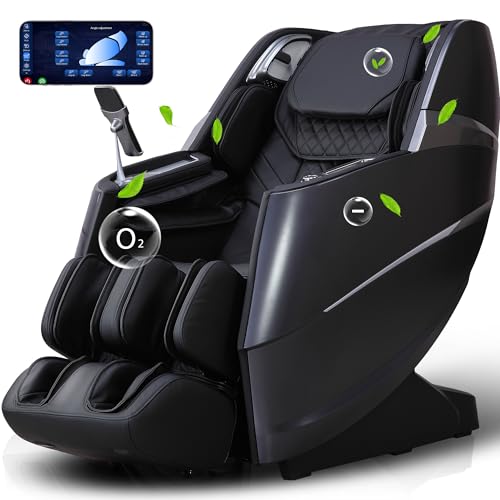
A 4D massage chair uses motorized rollers that travel along the back, move side to side, extend outward toward the body, and vary their speed or rhythm during a massage. The goal is to make techniques such as kneading, tapping, rolling, and shiatsu-style motions feel less repetitive than they do on simpler roller systems.
The important detail is that “4D” is not a single industry-wide technical standard. One manufacturer may use the term to describe changing roller speed and depth, while another may emphasize more lifelike transitions between massage strokes. For that reason, shoppers should look beyond the label and examine the chair’s roller track, depth adjustment, body scan, massage programs, and fit.
For the right person, a massage chair 4D system can provide a more customizable, relaxing at-home massage experience. It is not medical treatment, however, and the most advanced roller mechanism cannot compensate for a chair that does not fit the user’s height, shoulder width, comfort preferences, or available room.
What “4D” means in a massage chair
Massage-chair terminology describes how rollers move and how much control the chair has over those movements. In broad terms, a 4D system builds on the depth control found in 3D rollers and adds more variation in timing, speed, and massage rhythm.
Traditional roller systems move in two main directions: up and down the back and from side to side. A 3D mechanism adds forward-and-back movement, allowing the rollers to extend farther outward or retract for a gentler touch. A 4D system generally uses that same depth movement but changes the pace and character of the strokes as the program runs.
Rather than delivering evenly timed movements from start to finish, the chair may pause, slow down, speed up, press in more deeply, or change its sequence to simulate the variation of a manual massage. The result can feel more dynamic, particularly during kneading and tapping programs.
Why the term can be confusing
There is no universal rule that defines exactly what a fourth dimension must include. The term is often used as a marketing shorthand for advanced roller control. That does not automatically mean every 4D massage chair has the same capabilities, roller reach, or massage quality.
When comparing models, ask more specific questions:
- How far can the rollers extend outward from the backrest?
- Can the user adjust roller depth manually?
- Are speed and intensity independently adjustable?
- Does the chair offer more than one width setting for the shoulder area?
- Does it have a body scan to position the rollers around the user’s shoulders?
- Which techniques are available, and can they be used in focused areas?
These features describe what the chair can actually do far better than the 4D label alone.
How 4D rollers work
The rollers sit inside the chair’s backrest and operate on a motorized mechanism. Depending on the chair’s design, they travel along a fixed rail or track that follows some portion of the user’s spine. The chair coordinates roller position, width, depth, speed, and technique to create its massage programs.
Travel along the roller track
The track determines where the rollers can reach. A shorter track may focus on the upper and middle back, while longer designs extend farther down toward the lower back, hips, or glute area. Track length alone does not guarantee a better massage, but it has a major effect on coverage.
Common track descriptions include:
- S-track: Follows the natural curve of the spine and typically concentrates on the back.
- L-track: Continues from the back down into the seat area, allowing roller massage around the glutes and upper hamstrings on many designs.
- Other extended-track designs: Some chairs use manufacturer-specific track shapes or lengths, so it is best to check the stated massage areas instead of relying only on the label.
A 4D mechanism can be fitted to different track types. The “4D” description refers primarily to roller control, not necessarily to how far down the chair reaches.
Depth adjustment and body contact
The forward-and-back roller movement is central to the experience. When rollers extend outward, they create firmer contact against the muscles along the back. When they retract, the sensation becomes lighter. Many chairs allow users to choose from several depth or intensity levels, though the exact controls vary by model.
This adjustment matters because people have different comfort levels, body shapes, and muscle sensitivity. A deeper setting may feel satisfying to one user but uncomfortably intense to another. Good 4d massage chairs let the user reduce pressure without having to abandon the entire program.
Speed, pauses, and changing rhythm
The additional “4D” element commonly refers to how the chair varies speed and timing. Instead of applying identical strokes at a fixed pace, the rollers may alternate between slower kneading, quicker tapping, brief pauses, and changes in depth.
That variation can make a program feel more nuanced. For example, a chair may use a slow, deeper kneading motion around the upper back, then transition into lighter rolling as the rollers travel downward. The quality of those transitions depends on the chair’s programming, motors, roller design, and fit—not simply on whether the product is called 4D.
Body scanning and shoulder detection
Many higher-end chairs perform a body scan before a program begins. The chair uses pressure sensors, roller movement, or other detection methods to estimate the user’s shoulder position and back shape. It then places the massage routine within that detected range.
Body scanning is helpful, but it is not perfect. Users should be able to fine-tune shoulder position when possible. If rollers consistently start too high, too low, or too close to the spine, even an advanced mechanism can feel awkward.
4D rollers compared with 2D and 3D systems
| Roller system | Typical movement | What it may feel like | Best for |
|---|---|---|---|
| 2D | Up/down and side-to-side travel | Consistent rolling, kneading, or tapping along the back | Users who want a straightforward, generally lighter roller massage |
| 3D | 2D movement plus forward/back depth adjustment | More pronounced pressure and better ability to tailor roller contact | Users who want more control over massage intensity |
| 4D | 3D movement plus variable speed, timing, and stroke rhythm in most implementations | Less uniform, more dynamic massage patterns | Users who value detailed programs and are willing to learn the controls |
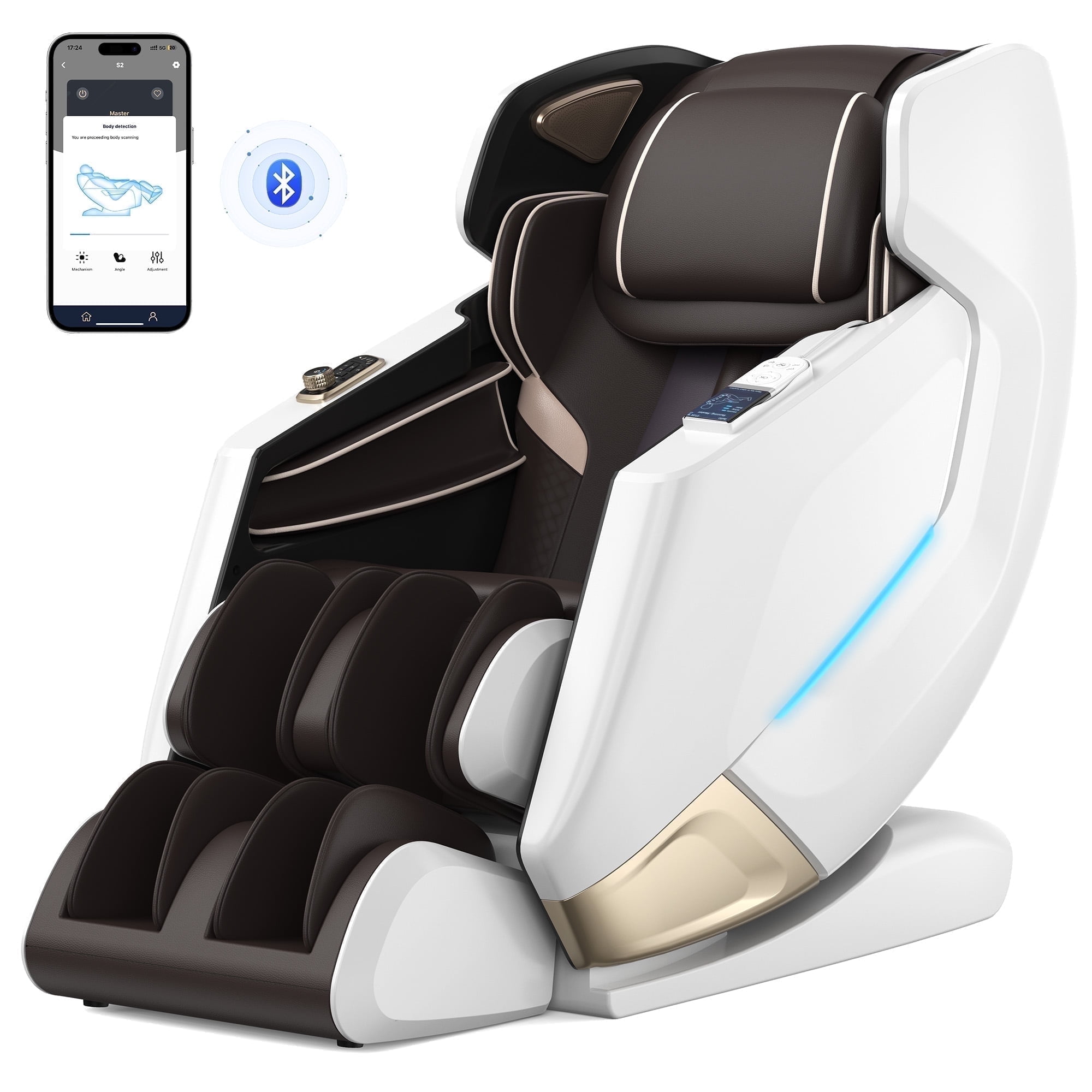
A 4D chair is not automatically the best choice for every household. Some people prefer the predictable, gentler feel of a simpler mechanism. Others may benefit more from well-designed air compression, heat, recline comfort, or a better-fitting seat than from highly variable roller movement.
Credit: walmart.com
Who a 4D massage chair may suit
A 4D massage chair is usually most appealing to people who want greater control and a more varied massage sensation than entry-level chairs provide. It tends to suit regular users who will take time to adjust programs rather than relying only on a single automatic routine.
People who enjoy stronger, adjustable back massage
Because 4D rollers can change depth, they may appeal to users who want the option of firmer contact around the upper, middle, or lower back. The key word is option: a suitable chair should also offer a comfortable low setting. Maximum intensity is not a sign of better quality if it makes the chair difficult to use consistently.
Users who want less repetitive automatic programs
Some people find basic roller programs too mechanical because every stroke follows a similar cadence. A well-programmed 4D system can create more variation in pace and pressure, which may feel more engaging during longer relaxation sessions.
Households with different massage preferences
Adjustability is especially useful when more than one person uses the chair. One user may prefer slow, deep kneading, while another may want lighter rolling and air compression. Look for user profiles, saved settings, easy intensity controls, and the ability to change the shoulder position or roller depth during a session.
Buyers seeking a feature-rich relaxation chair
Many 4D models are positioned in the premium part of the market and may include features such as zero-gravity-style recline, calf and foot massage, air cells, heat, Bluetooth speakers, touch-screen controls, or guided programs. These additions can improve the overall experience, but they should be evaluated separately from roller technology.
Who may be better served by another type of chair
More technology is not always more comfortable. A simpler massage chair may be the smarter purchase when the user prefers mild massage, has a limited budget, needs a compact footprint, or does not want to manage numerous settings.
A 4D system may be less suitable in these situations:
- You dislike firm pressure: Even at lower settings, some advanced roller designs may feel more direct than expected.
- You need a very compact chair: Feature-rich models are often large and may require substantial room behind or around them.
- You only want foot or leg comfort: Roller sophistication matters less if back massage is not your priority.
- You want one-button simplicity: Some people will get more value from a chair with a few reliable, easy-to-use programs.
- Your body dimensions fall outside the chair’s intended range: A poor fit can make shoulder rollers, calf wells, arm slots, and headrest placement uncomfortable.
People with health concerns, recent surgery, a pacemaker or implanted medical device, circulatory concerns, pregnancy-related questions, or unexplained pain should seek advice from an appropriate healthcare professional before using a massage chair. A chair can support relaxation and temporary comfort for many users, but it should not be treated as a diagnosis or substitute for medical care.
Features that matter as much as the rollers
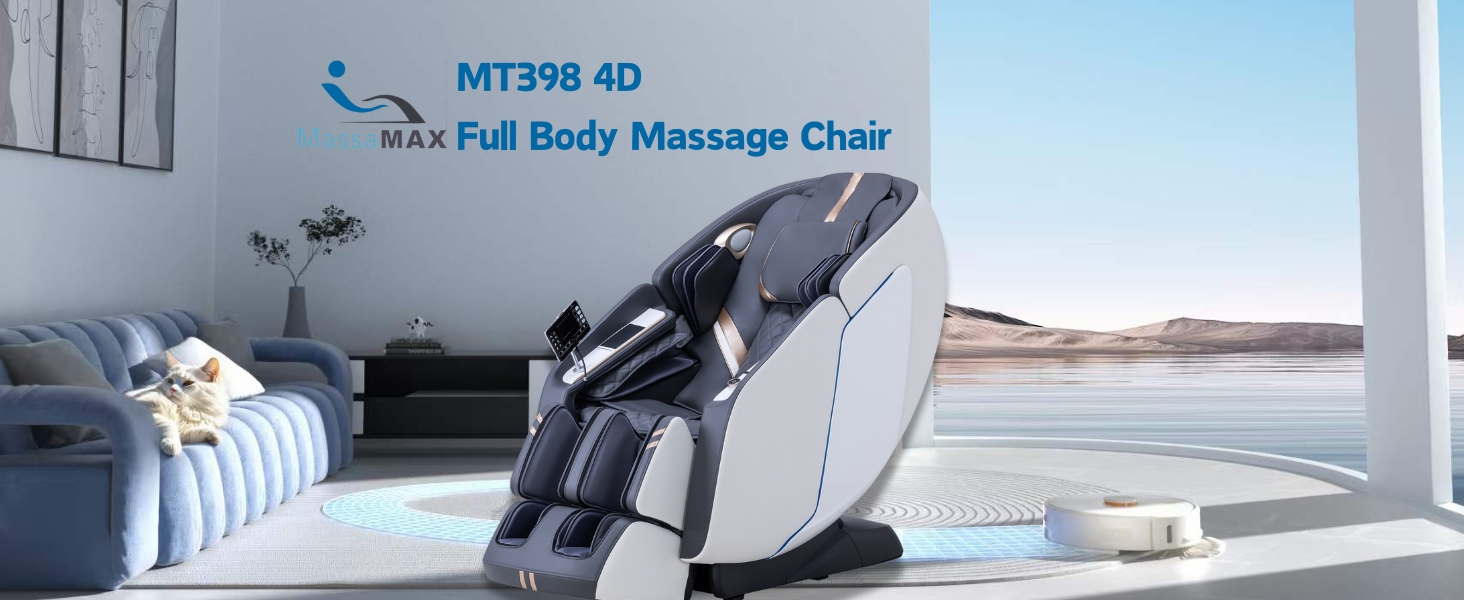
When shopping for a massage chair 4D model, focus on the complete design. The roller mechanism is important, but the chair’s comfort, controls, and physical fit determine whether it will be enjoyable after the novelty wears off.
Credit: amazon.com
Body-size fit
Check the manufacturer’s recommended height and weight range, then consider your proportions. Tall users should confirm that the neck and shoulder area can be positioned correctly and that the leg rest extends adequately. Shorter users should ensure their feet reach the foot section comfortably and that the rollers do not begin above the shoulders.
Shoulder width also matters. If the rollers or shoulder airbags sit too narrowly or too widely, the massage can feel misplaced. Adjustable roller width and manual shoulder-position controls are useful safeguards.
Recline and room requirements
A recline function can redistribute body weight and change how the rollers contact the back. Many people find a reclined position more relaxing than sitting upright, but it also affects where the chair can be placed.
Measure the intended space before ordering. Include the chair’s upright depth, fully reclined depth, leg-rest extension, clearance from walls, and room needed to enter or service the chair. Wall-hugging or space-saving designs may require less rear clearance, but they still need enough room in front for the leg section.
Air compression, foot massage, and heat
Rollers primarily work on the back and, in some designs, the seat area. Airbags or air cells provide compression around the shoulders, arms, hips, calves, and feet. These systems can complement roller massage by holding the body in position or creating a gentle squeezing sensation.
Foot massage systems vary widely. Some use rollers, some use airbags, and others combine both. If foot massage is important, inspect how easily the foot wells can be cleaned, whether pressure can be reduced, and whether the design accommodates your foot size comfortably.
Heat features may feel soothing, but coverage and warmth differ between models. Treat heat as a comfort feature rather than a replacement for professional treatment of an injury or ongoing condition.
Controls and manual programs
Automatic routines are convenient, but manual control is often what makes an advanced chair worthwhile. Useful options include:
- Roller depth or intensity adjustment
- Massage speed control
- Selectable roller width
- Focused, partial-back, or spot massage modes
- Separate air-compression intensity settings
- Independent heat and recline controls
- Easy pause and stop functions
A remote or app with many options is not necessarily better if it is hard to understand. Look for clear labels, readable controls, and a straightforward way to return to a comfortable setting.
How to assess a 4D chair before buying
The best way to compare 4d massage chairs is to turn broad claims into practical questions. If possible, sit in the chair for long enough to try multiple programs and adjustment levels. If an in-person trial is not available, review the official manual, dimensions, setup requirements, return terms, and warranty details carefully.
- Start with fit. Verify the recommended user range, seat dimensions where available, shoulder placement, and leg-rest suitability.
- Check the roller path. Confirm which body areas the rollers reach and whether the track design matches your priorities.
- Test or confirm depth control. Make sure there is a genuinely comfortable low setting as well as a stronger option.
- Look at program control. Determine whether you can alter speed, width, roller position, airbags, and recline without ending the session.
- Measure your room. Plan for delivery access, doorways, hallways, floor protection, and reclined clearance.
- Review ownership practicalities. Check warranty coverage, service availability in your location, power requirements, cleaning instructions, and return conditions.
A chair that feels impressive for a few minutes may become too strong, too noisy, too complicated, or too large for daily use. Comfort at your preferred settings is more important than having the longest possible feature list.
Common misconceptions about 4D massage chairs
Credit: emassagechair.com
“4D means the chair massages four times better.”
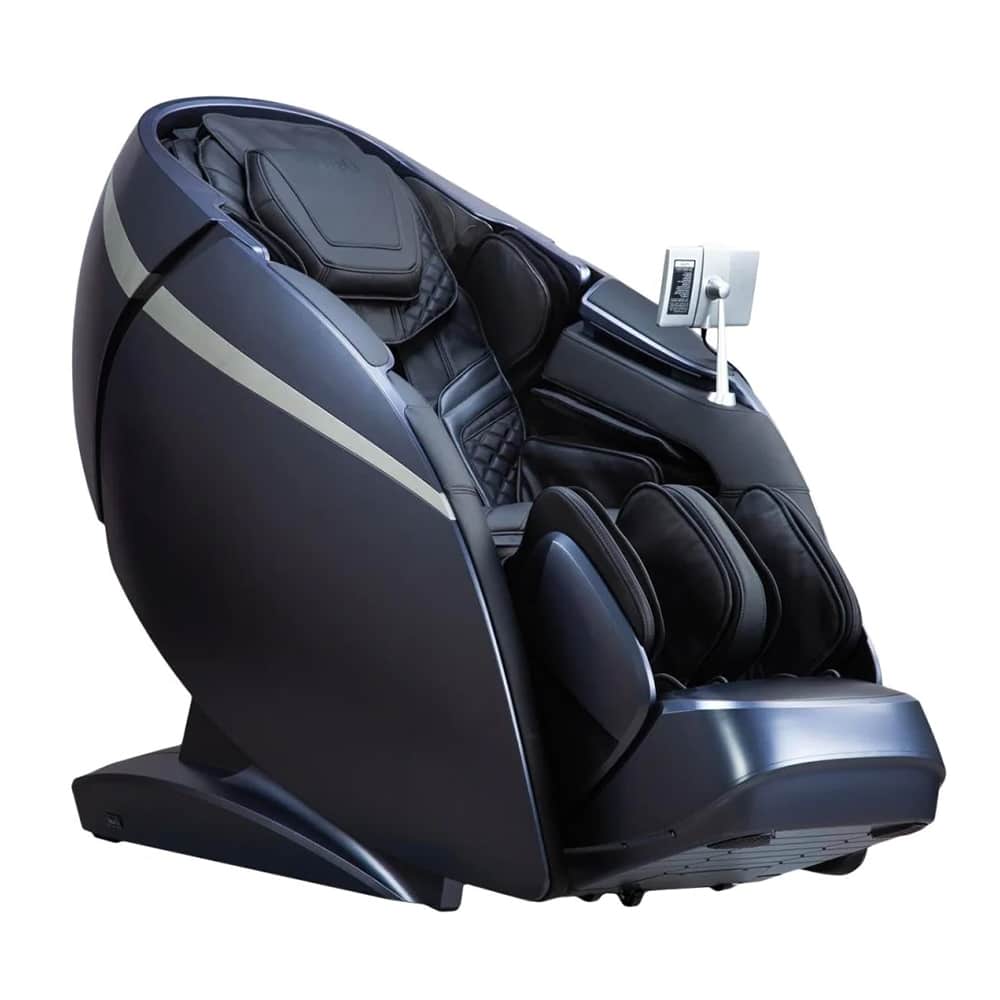
No. The term describes a style of roller movement and programming, not a measurable quality score. A well-built 3D chair can be a better fit than a 4D chair with poor body positioning, limited controls, or uncomfortable materials.
“The rollers can replace a professional medical evaluation.”
No. Massage features may help some people relax or ease ordinary muscle tightness temporarily, but they do not identify the cause of pain or treat every musculoskeletal problem. Persistent, severe, radiating, or unexplained symptoms warrant medical attention.
“A longer track always creates a better experience.”
Not necessarily. Longer coverage can be useful, especially for people who want seat and glute massage, but roller comfort, body scanning, depth control, and the chair’s fit still matter. A longer track that misses the user’s shoulder position is not an advantage.
“Maximum intensity is the right setting.”
Massage should feel tolerable and relaxing, not sharply painful, numb, or bruising. Start with a lighter setting, especially when using a new chair or program. Increase intensity gradually only if it remains comfortable during and after the session.
Frequently asked questions
Is 4D better than 3D in every massage chair?
No. A 4D system can offer more variation in timing and rhythm, but its value depends on programming, roller accuracy, adjustability, and fit. A high-quality 3D chair may be preferable for someone who wants a simpler experience or does not need highly variable massage patterns.
Do 4D rollers massage the neck?
Some chairs provide massage near the neck and upper shoulders, but roller coverage varies by model and user height. The rollers should not press directly on the neck in an uncomfortable way. Check the chair’s stated massage zones and whether shoulder positioning can be adjusted.
How long should a 4D massage chair session be?
Use the chair according to its manual and begin with shorter, gentler sessions to see how your body responds. Many automatic programs have a preset duration. Stop sooner if the massage becomes uncomfortable, and avoid treating longer sessions or stronger settings as inherently better.
Are 4D massage chairs noisy?
They produce some operational sound from motors, rollers, airbags, and reclining parts. Noise levels vary by design, program, floor surface, and chair condition. If the chair will be used near bedrooms, shared living spaces, or calls, look for product demonstrations and consider where it will sit.
What maintenance does a 4D massage chair need?
Keep the upholstery clean using the manufacturer-approved method, avoid spills and sharp objects, and leave adequate ventilation around the chair. Periodically inspect power cords, moving sections, and upholstery for wear. For mechanical faults, unusual noises, or damaged electrical components, use authorized service rather than attempting internal repairs.