
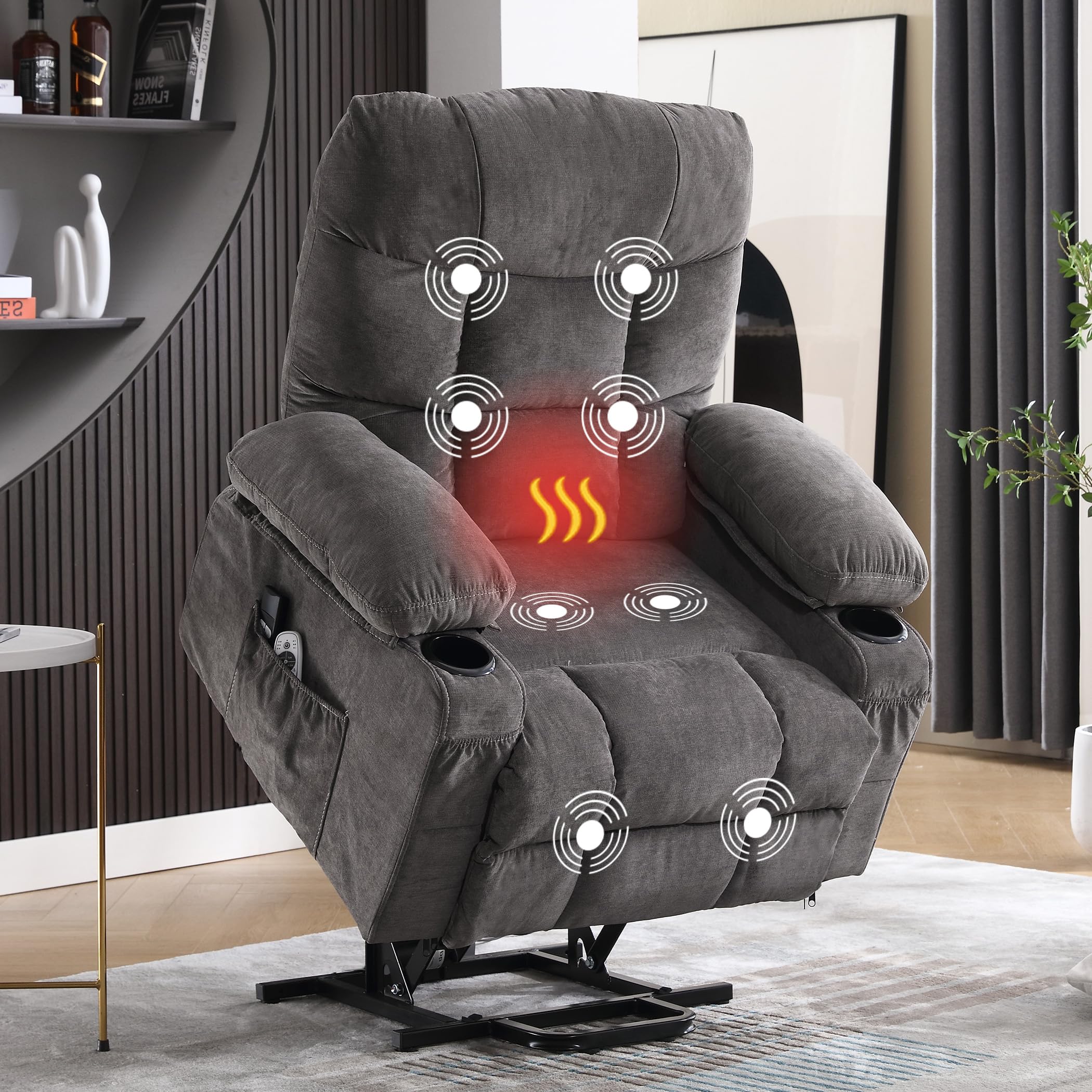
A massage chair recliner combines the supported, laid-back position of a recliner with built-in massage functions such as moving rollers, air compression, vibration, heat, and adjustable recline. It is designed for people who want convenient comfort at home without setting up a separate massage device or booking regular appointments.
Not every massage recliner works the same way. Some are compact chairs with basic vibration and heat, while others use tracks and rollers that travel along the back, airbags for the shoulders and legs, and near-flat reclining positions. The best choice depends less on the number of features and more on whether the chair fits your body, room, comfort preferences, and daily routine.
This guide explains how a recliner massage chair works, who may enjoy one most, and which features deserve attention before you buy.
What Is a Massage Chair Recliner?
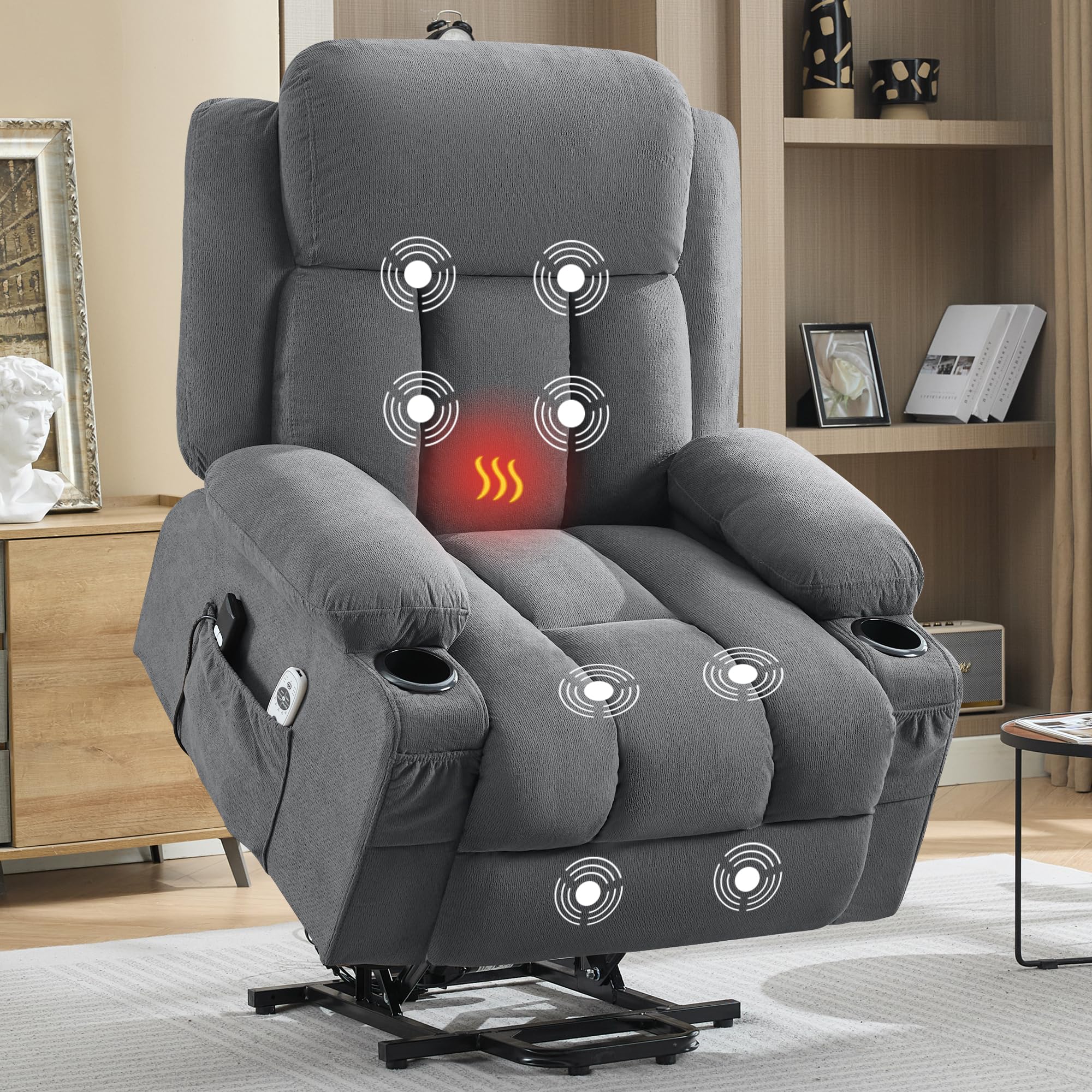
A massage chair recliner is an upholstered chair that reclines while providing automated massage through mechanical components inside the backrest, seat, legrest, or arm areas. Its main purpose is comfort and relaxation. Depending on the model, it may offer kneading, rolling, tapping, air compression, vibration, heat, stretching-style programs, or a combination of these functions.
Traditional recliners focus on changing body position: you sit upright, lean back, and often raise your feet. A massage chair recliner adds powered massage hardware and controls. Some models look like conventional living-room recliners, while larger massage chairs have a more technical appearance and may include an extending footrest, remote control, speakers, or multiple preset programs.
The term can describe two related products:
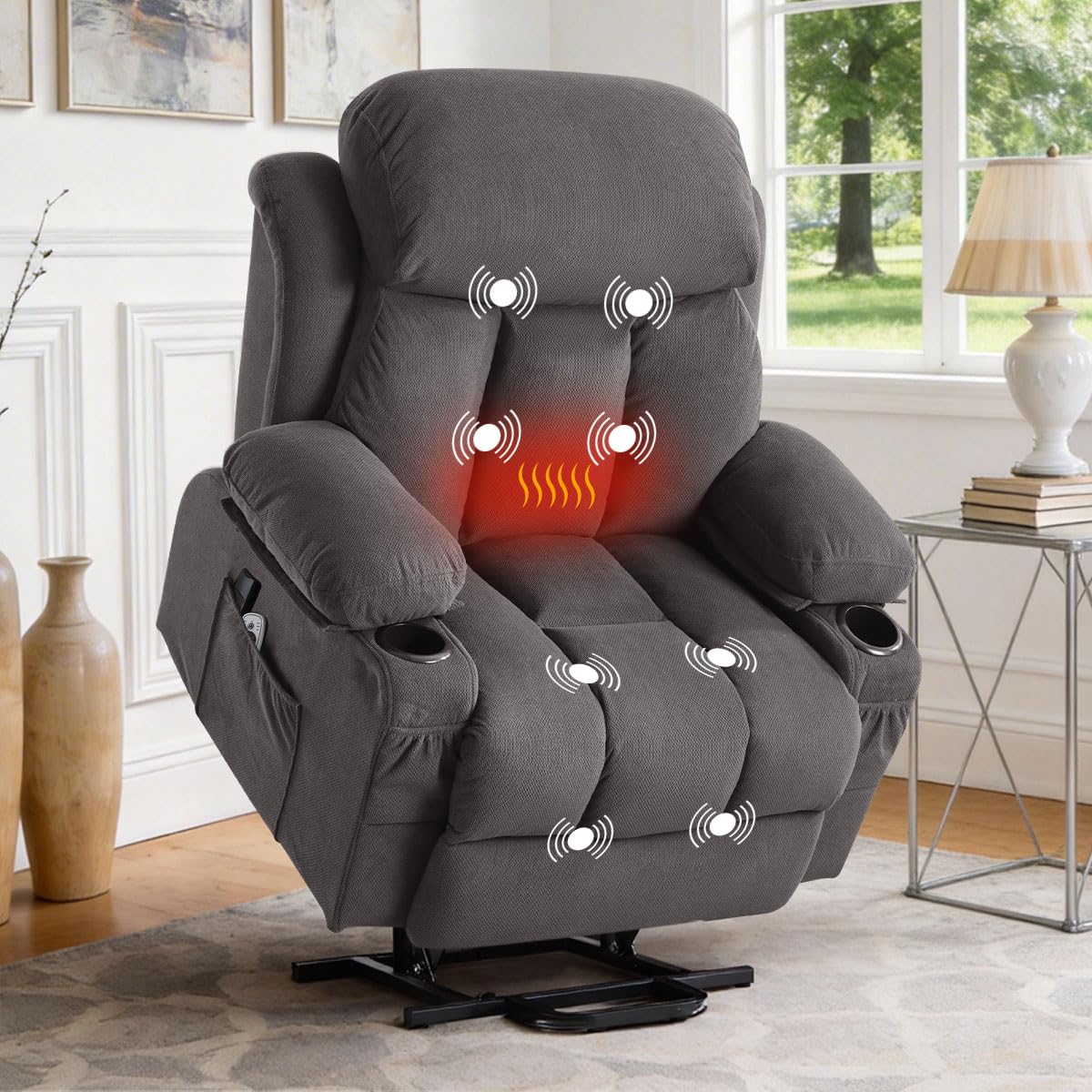
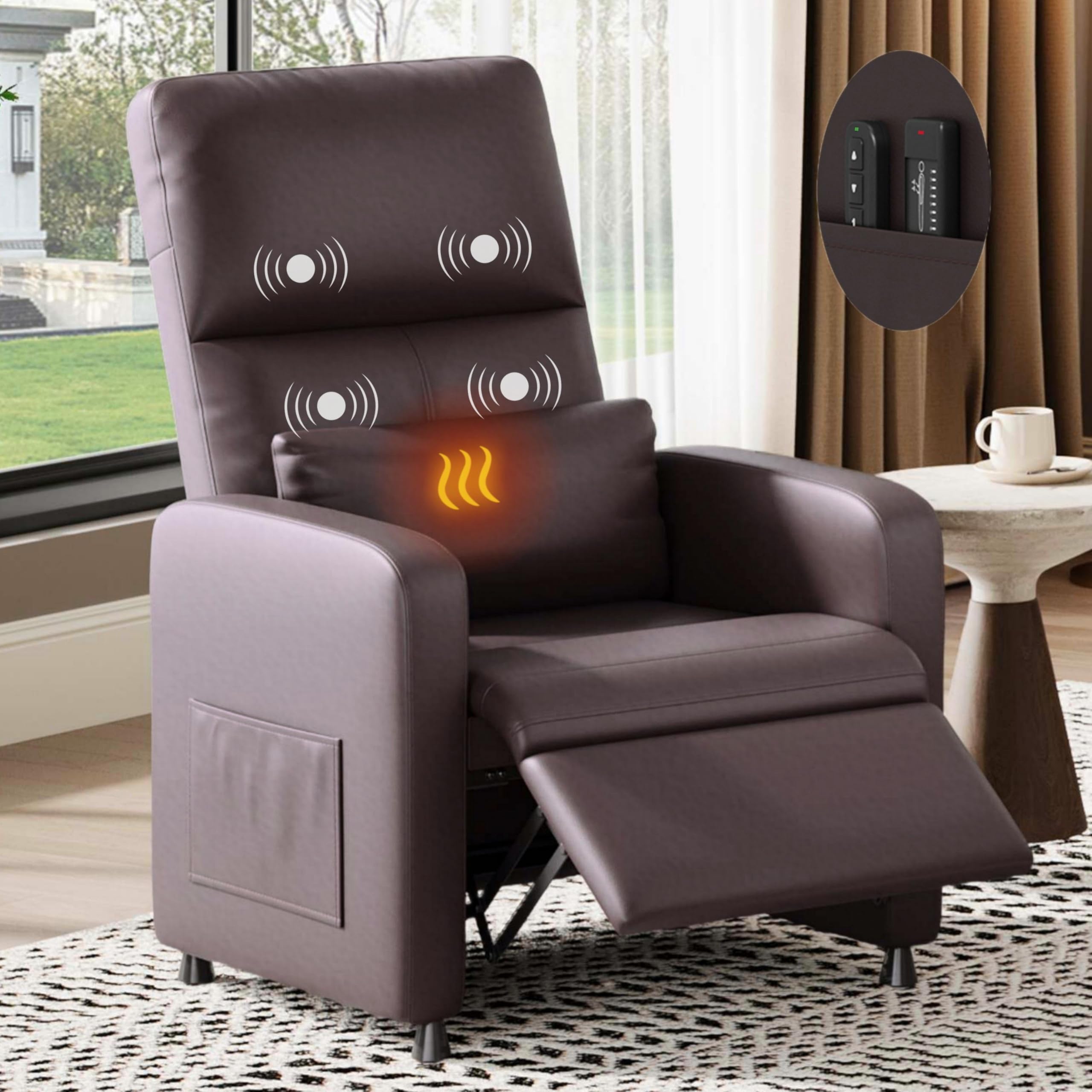
- Recliner-style massage chairs: Softer, furniture-like chairs with a simpler massage system. They can suit a lounge, bedroom, or media room where appearance and everyday seating matter.
- Full-feature massage chairs with recline: Larger units built primarily around massage functions. These usually provide more body coverage, more adjustment options, and a deeper recline.
Neither style is automatically better. The right one depends on whether you want a comfortable chair that happens to massage, or a massage-focused device that can also serve as a recliner.
How the Massage System Works
Massage chairs create sensation through a small set of mechanical systems. Understanding these systems makes it easier to compare models without being distracted by long feature lists.
Rollers move along the back
Most massage-focused chairs use motorized rollers behind the backrest. These rollers travel on a track and perform movements intended to resemble techniques such as rolling, kneading, tapping, or a combination of kneading and tapping.
The track shape affects the areas the rollers can reach. A shorter track may focus on the upper and lower back. Longer tracks can continue toward the hips or upper gluteal area. Coverage is useful, but it only matters if the roller path aligns well with your height and seated position.
Common track descriptions include:
- S-track: Follows a curved path intended to match the natural curve of the spine.
- L-track: Extends from the neck and back area farther down toward the seat and hip region.
- Straight or fixed-position mechanisms: Often found in simpler chairs and may offer less targeted coverage.
A chair may also be described by its roller mechanism, such as 2D, 3D, or 4D. These terms are not used consistently across every brand, so they should not be treated as a universal performance standard. In general, higher-dimensional descriptions often refer to more roller movement or control, such as the ability to move outward toward the user. Check what the specific manufacturer says the mechanism actually does.
Airbags create compression
Airbags or air cells inflate and deflate around areas such as the shoulders, arms, hips, calves, and feet. This creates a squeezing or holding sensation rather than the rolling pressure of back rollers.
Air compression can be particularly useful for people who prefer a gentler, broader sensation than direct roller pressure. It can also help keep the body in position during certain reclined programs. However, strong compression may feel restrictive to some users, especially around the arms or calves. Adjustable intensity is valuable here.
Vibration, heat, and foot massage add comfort features
Vibration is typically generated by small motors in the seat or back area. It can add a mild buzzing sensation, but it is not the same as a roller massage. In many chairs, vibration is an extra comfort function rather than a core reason to buy the product.
Heat may be placed in the lumbar area, seat, calves, or feet. It can make the chair feel more soothing and may help users relax, but it should be viewed as a comfort feature rather than medical treatment. People with reduced sensitivity to heat or circulation concerns should be especially cautious and follow the chair’s safety instructions.
Foot and calf sections vary widely. Some use airbags only, while others include rollers, rotating nodes, textured pads, or a combination. A strong foot mechanism can be pleasant for some people and uncomfortably intense for others. If possible, look for intensity adjustment or removable pads.
Recline changes pressure and body position
Reclining redistributes body weight and can change how the massage feels. A light recline may make a chair easier to use while reading or watching television. A deeper recline can support a more immersive session and reduce the feeling of sitting upright under pressure.
Many higher-end massage chairs offer a position commonly called zero gravity. This usually means the seat reclines and raises the legs so the body is placed in a more weight-distributed position. The exact angle and feel vary by model. It is a comfort and positioning feature, not a guarantee of a health outcome.
Who a Massage Recliner May Suit
A massage recliner can work well for people who want a convenient relaxation routine and have enough room for a chair that may be heavier and larger than standard furniture. It is often most appealing when it will be used regularly, rather than purchased for an occasional novelty session.
Credit: amazon.com
People who value easy at-home relaxation
If you spend long periods sitting at a desk, driving, standing at work, or caring for family members, a chair can provide a simple way to unwind at the end of the day. The main benefit is convenience: you can choose a short program, adjust the recline, and use it without planning an appointment.
That said, a chair does not replace movement, sleep, appropriate workstation setup, or professional assessment for persistent pain. Think of it as one comfort tool within a broader routine.
Users who enjoy reclined seating
Some buyers primarily want a comfortable living-room chair with added massage. A recliner-style model may be the better fit if softness, upholstery, and visual compatibility with the room matter more than advanced body scanning or detailed massage programs.
Before choosing this type, test the chair’s comfort with the massage switched off if possible. A chair should still feel supportive as a normal seat. Massage components can make some models firmer than a conventional recliner.
People who want customizable pressure
A full massage chair can suit users who know they prefer specific massage styles or targeted areas. Adjustable roller position, intensity, air pressure, speed, and session length can make the experience more adaptable for different days and preferences.
Customization matters because comfort is highly individual. One person may enjoy firm kneading across the upper back, while another may find the same setting unpleasant. More adjustment is usually useful only when the controls are easy enough that you will actually use them.
Households with multiple potential users
A chair may be a good shared household purchase if it has a broad fit range, quick programs, and simple user controls. However, “one size fits all” is rarely realistic. Very tall, short, broad-shouldered, or larger-bodied users should pay close attention to fit limits, shoulder width, seat dimensions, calf section length, and weight capacity listed by the manufacturer.
When a Massage Chair Recliner May Not Be the Best Choice
Even a well-made chair is not right for every home or every user. Being realistic about limitations can prevent an expensive and inconvenient purchase.
- You have limited space: A chair may need significant room behind it, in front of it, or both when reclined. It also needs a clear path for delivery and installation.
- You prefer very soft seating: Roller mechanisms and structured frames can make massage chairs feel firmer than plush recliners.
- You dislike mechanical noise: Motors, rollers, and airbags create sound. It is usually manageable, but it may be noticeable in a quiet room.
- You have trouble entering or leaving low, deep seats: Reclined chairs can be difficult to get out of for some people. Consider seat height, armrest support, and how the chair returns upright.
- You expect medical treatment: A massage chair may feel relaxing, but it should not be relied on to diagnose, cure, or treat an injury or medical condition.
People who are pregnant, have an implanted medical device, have a recent injury or surgery, have a clotting or bleeding concern, or have significant circulation, bone, nerve, or skin issues should consult an appropriate clinician before using a massage chair. The chair’s manual may also list specific restrictions and warnings.
Features That Matter Most Before You Buy
The most useful features are those that affect fit, comfort, placement, and everyday operation. A long list of preset modes is less important than a chair that fits your body and works reliably in your room.
Body fit and chair dimensions
Start with the manufacturer’s stated recommended user height range and weight capacity, but do not stop there. Body proportions matter as much as overall height. A long torso, broad shoulders, long legs, or larger calves can change how the chair feels.
Check these details carefully:
- Seat width and usable seat depth
- Distance from the floor to the seat
- Backrest height and headrest position
- Shoulder width inside the chair
- Calf and footrest length, including extension range
- Whether the chair can accurately locate your shoulders
Body scanning features may help a chair identify shoulder position, but they cannot fully overcome a poor physical fit. If rollers consistently reach too high, too low, or too far from the body, the experience will be disappointing regardless of the program selection.
Massage coverage and adjustment
Consider where you want massage most often. If upper-back tension is your priority, look at shoulder and neck positioning, roller travel, and manual spot controls. If leg comfort matters, inspect the calf section and foot mechanism rather than assuming all chairs offer similar coverage.
Useful adjustments may include:
- Roller intensity or depth
- Air compression intensity
- Massage speed and width
- Individual zone selection
- Manual roller position controls
- Heat on/off control
- Session duration
A chair with fewer programs but strong manual controls can be more practical than one with many named routines that all feel similar.
Recline mechanism and space requirements
Measure the chair in its upright position and at full recline. Then measure the room, including walkways, doors, nearby tables, and the distance from the wall. Do not assume that a chair with a compact footprint will remain compact once the footrest extends.
Some models use a wall-hugging or space-saving slide-forward design, where the chair moves forward as it reclines. This can reduce the clearance needed behind it, but you should still follow the manufacturer’s placement guidance. Also consider the space in front of the chair, which is often overlooked.
Delivery access matters too. A large massage recliner may be difficult to carry through narrow doorways, around stairs, or into elevators. Measure the tightest point along the entire route before ordering.
Controls and daily usability
Controls should match the intended user. A complex touchscreen may appeal to someone who wants detailed adjustment, while a clearly labeled remote with a few useful buttons may be better for a person who wants one-touch operation.
Look for practical details such as:
- Clear labels and readable display text
- Dedicated buttons for recline and return-to-upright functions
- A quick-start relaxation program
- Easy-to-reach controls when fully reclined
- Memory settings, if more than one person will use the chair
- An emergency stop or simple way to end a program
Voice control, Bluetooth speakers, and app connectivity can be enjoyable extras, but they should not outweigh core comfort and fit.
Upholstery, appearance, and cleaning
Massage chair upholstery may be synthetic leather, fabric, microfiber, or a mixed material. Each option has trade-offs. Synthetic leather is often easy to wipe clean but may feel warm and can be vulnerable to cracking if poorly maintained. Fabric can feel more breathable and furniture-like, but it may be harder to clean after spills.
Consider pets, children, direct sunlight, room temperature, and how the material feels against bare skin. Check cleaning instructions before using household products. Harsh cleaners, excess water, and oils can damage upholstery or get into electrical components.
Warranty, service, and replacement support
A massage chair contains motors, wiring, airbags, moving tracks, controls, and upholstery. Warranty terms deserve more attention than they would for a basic recliner. Read what is covered, how long different parts are covered, whether labor is included, and who handles in-home service if the chair develops a fault.
It is also worth checking whether the seller provides delivery, setup, packaging removal, and repair support in your location. A low purchase price can be less attractive if returning or servicing a large chair is difficult.
Comparing Recliner-Style and Full Massage Chairs
| Consideration | Recliner-Style Massage Chair | Full Massage Chair |
|---|---|---|
| Primary role | Everyday seating with massage added | Massage experience with reclining comfort added |
| Appearance | Often resembles standard living-room furniture | Usually larger and more visibly mechanical |
| Massage depth and coverage | Often simpler, commonly vibration or localized massage | More likely to include traveling rollers, airbags, and leg massage |
| Room footprint | May be easier to blend into smaller rooms | Often needs more floor and delivery clearance |
| Best for | Buyers who prioritize normal recliner comfort and style | Buyers who prioritize customization and frequent massage use |
The distinction is helpful, but product categories overlap. Always compare the actual mechanism, dimensions, and controls rather than relying only on the product label.
Credit: amazon.com
Common Buying Mistakes to Avoid
Credit: amazon.com
Choosing by features instead of fit
Foot rollers, heat, speakers, and multiple programs may sound appealing, but an ill-fitting chair can make all of them irrelevant. Prioritize shoulder alignment, seat comfort, leg support, and access before optional extras.
Ignoring full-recline measurements
Measuring only the upright width and depth is a common mistake. Check clearance behind the chair, footrest extension in front, and room to walk around it when someone is using it.
Assuming stronger is always better
Firm massage is not automatically more effective or more enjoyable. Excessive pressure can make a session unpleasant, particularly near bony areas or sensitive muscles. Adjustable intensity is generally more useful than a chair that only feels powerful.
Overlooking ordinary sitting comfort
If the chair will sit in a shared living space, assess how it feels when used as a normal recliner. Pay attention to the headrest, seat edge, armrests, lumbar shape, and whether the controls or massage nodes create pressure when the system is off.
Skipping warranty and service details
A massage chair recliner is difficult to pack, transport, and repair compared with a small appliance. Understand the return process and service arrangements before delivery, not after a problem occurs.
Using a Massage Chair Safely and Comfortably
Begin with shorter sessions and lower intensity settings, especially if you are new to mechanical massage. Give yourself time to learn which roller positions and compression settings feel comfortable. Stop using the chair if it causes pain, numbness, dizziness, skin irritation, or any other concerning symptoms.
Follow the manufacturer’s instructions for age limits, clothing, maximum session duration, maintenance, and electrical use. Keep fingers, hair, loose clothing, blankets, and pet tails away from moving sections. Children should not play on the chair or operate it unsupervised.
For day-to-day care, keep the chair on a stable surface, avoid blocking vents, wipe upholstery as instructed, and inspect cords and moving sections periodically. Unplug the chair before cleaning unless its manual says otherwise. If the chair makes unusual noises, moves unevenly, or shows damaged wiring, stop using it and contact the seller or authorized service provider.
FAQ
Can a massage chair recliner be used every day?
Many people use one regularly for relaxation, provided they follow the manufacturer’s guidance and keep the intensity comfortable. Start gradually, especially with a new chair, and avoid treating discomfort as something to push through.
Do massage chairs use a lot of electricity?
Power use varies by model, features, session length, and whether heat is active. The product label or manual should list electrical requirements and may provide power-consumption information. Unplugging the chair when it will not be used for an extended period can be sensible.
Is a massage recliner suitable for sleeping overnight?
It is generally better to use the chair for seated relaxation or short rest periods rather than as a regular overnight bed. Recliner positions may not provide the same support or freedom to change position as a mattress, and the chair’s manual may include specific guidance.
Can two people save different massage preferences?
Some models offer memory settings that can store preferred positions or massage combinations, but many do not. If shared use is important, check whether the chair has user profiles or whether settings must be adjusted manually each time.
How long should a massage chair recliner last?
Longevity depends on build quality, frequency of use, user load, maintenance, and access to service. Rather than relying on a general lifespan estimate, compare warranty coverage, replacement-part availability, and the reputation of the seller’s service network.