
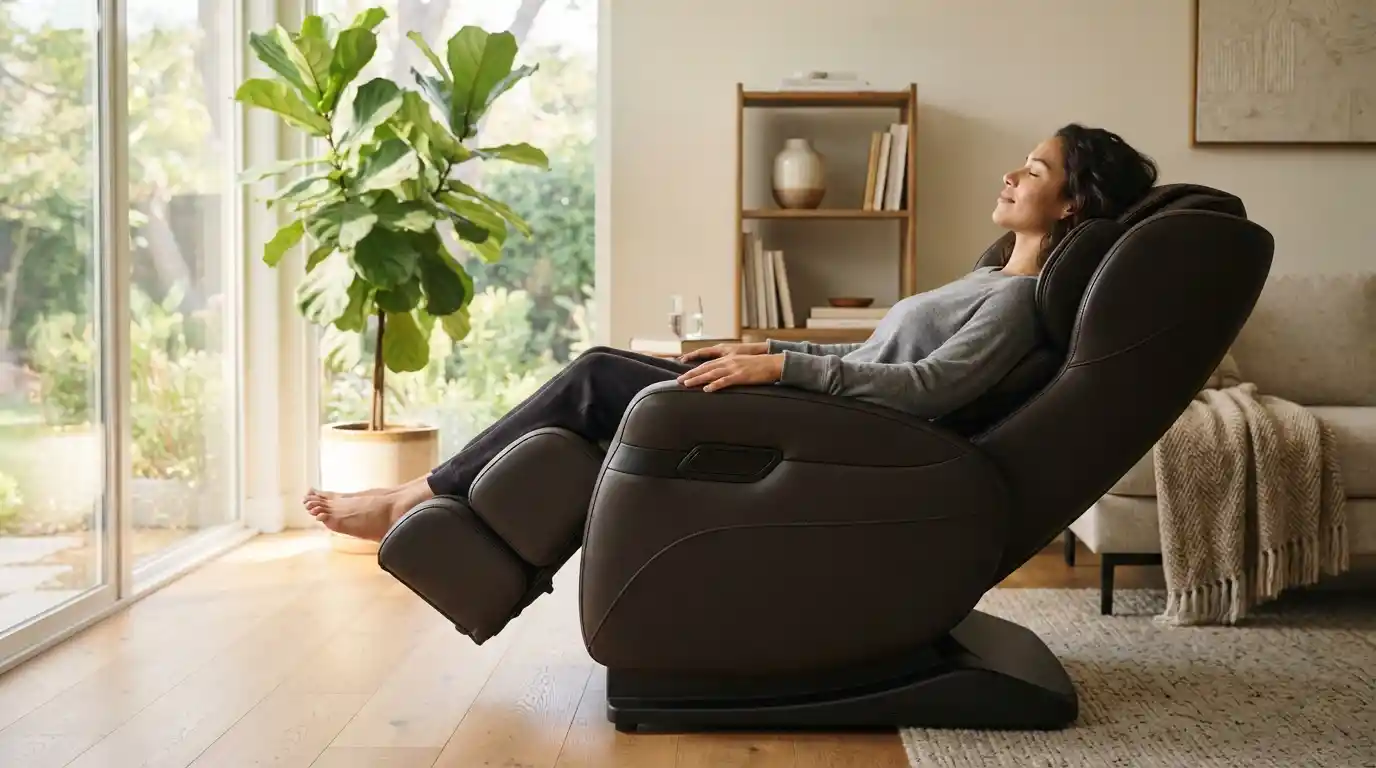
How often should you use a massage chair? For most healthy adults, a good starting point is one short session a day or several sessions a week, then adjusting based on comfort, the chair’s intensity, and the manufacturer’s guidance. A typical session lasts around 10 to 20 minutes, especially when you are new to the chair.
More use is not automatically better. Massage chairs combine rollers, air compression, heat, stretching programs, and reclining positions that can feel intense, particularly on sensitive muscles. The right frequency should leave you feeling relaxed and comfortable—not sore, bruised, numb, lightheaded, or unusually tired.
Your ideal routine also depends on why you use the chair. A brief daily session may suit someone who wants to unwind after desk work, while a person using deep-tissue-style programs may prefer fewer sessions with rest days between them. Always follow the instructions for your specific model, as program limits and safety guidance vary.
A practical answer: how frequently to use a massage chair
There is no single schedule that fits every person or every massage chair. However, the following approach is a reasonable starting framework for many users.
| Experience or goal | Suggested starting routine | What to watch for |
|---|---|---|
| New massage chair user | 10 to 15 minutes, 2 to 4 times per week | Muscle tenderness, excessive pressure, discomfort in the neck or lower back |
| General relaxation | 10 to 20 minutes, most days if comfortable | Whether regular use still feels restorative rather than overstimulating |
| After a long workday or exercise | One moderate session, followed by rest and hydration | Whether muscles feel better later, rather than more painful the next day |
| Using strong roller or deep-pressure programs | Shorter sessions and less frequent use at first | Lingering soreness, skin sensitivity, or discomfort over bony areas |
If you tolerate a short, gentle program well, you can gradually increase either the session length or the number of days you use it. Avoid increasing both at once. That makes it easier to tell whether a stronger routine is genuinely comfortable for your body.
Start slowly before making massage chair use a daily habit
Even if a chair feels comfortable in a showroom or during a first session, regular use can affect you differently. The rollers may reach areas that are tight or tender, while air cells can create firm compression around the shoulders, arms, calves, and feet. Give your body time to adapt.
A simple progression for new users
- Use the lowest or moderate intensity setting for a short program.
- Wait until the next day to assess how your body feels.
- If you feel normal or pleasantly relaxed, repeat the session after a day or two.
- Increase the duration slightly only after several comfortable sessions.
- Try stronger techniques, such as kneading, tapping, or stretch programs, one at a time.
Many chairs include automatic programs that combine several techniques. Those programs can be convenient, but they may also be more intense than expected. If your chair allows manual control, begin by reducing roller speed, width, pressure, airbag intensity, and heat settings. Use targeted zones only when they feel appropriate.
How long should each session last?
Session length matters as much as session frequency. For many people, 10 to 20 minutes is enough to relax tense muscles and enjoy the chair without overdoing it. Some models automatically end a program after a set period, which can help prevent unintentionally long sessions.
Longer sessions are not necessarily harmful for every user, but they are more likely to cause soreness or discomfort when the massage is strong. A gentle recline-and-air-compression session may feel very different from a vigorous roller program focused on the back and shoulders.
Choose duration based on intensity
- Gentle relaxation programs: A moderate-length session may be comfortable if the pressure is light and you feel well afterward.
- Deep roller massage: Keep sessions shorter at first, especially over the upper back, lower back, hips, and shoulder blades.
- Heat programs: Use carefully and follow the chair manual. Heat can feel soothing, but prolonged exposure may be unsuitable for people with reduced sensation or circulation concerns.
- Stretch or zero-gravity programs: Pay attention to comfort in your neck, hips, knees, and lower back. The reclining position should not create strain.
If you want more relaxation time, it is often better to sit quietly in the reclined chair after the massage program ends than to run back-to-back intense programs.
Signs you may be using the chair too often
A massage chair should generally leave you feeling comfortable, loose, and rested. Mild temporary tenderness can happen when you try a new setting or work on an area that is already tight, but persistent discomfort is a signal to reduce the intensity, shorten the session, or take a break.
Scale back if you notice any of the following:
- Soreness that lasts longer than a day or becomes worse after each session
- Bruising, skin irritation, or unusual sensitivity to touch
- Numbness, tingling, weakness, or shooting pain
- Headache, dizziness, nausea, or feeling unwell during a program
- Increased pain in a joint, the spine, or a previously injured area
- Neck discomfort from a headrest position that does not fit your height
Stop the session immediately if the chair causes sharp pain, pressure that feels wrong, or any new neurological symptoms. A massage chair is designed for comfort and relaxation; it should not be something you need to endure.
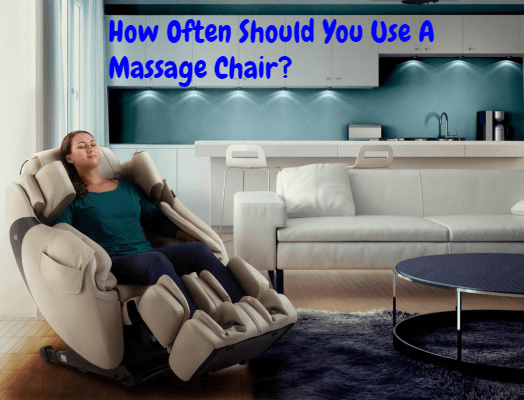
Credit: bestratedmassagechair.com
Factors that change the right frequency
How often can you use a massage chair depends on more than your schedule. The chair’s design, your body size, and the specific program can all change how intense a session feels.
Massage mechanism and roller pressure
Roller-based chairs can use different track designs and massage patterns. Some focus mainly on the back, while others travel from the neck area toward the glutes. A longer roller track does not automatically mean a more intense massage, but it can cover more of the body in one session.
Pressure is especially important. If the rollers feel too prominent against your spine, shoulder blades, or lower back, reduce the intensity or add cushioning only if the manufacturer permits it. A chair that does not fit your height or body shape may feel overly forceful in certain areas regardless of how often you use it.
Air compression and foot massage
Airbags in the arms, shoulders, legs, and feet can feel gentle for one person and restrictive for another. Compression settings should feel snug but never painful, numb, or circulation-restricting. If your feet are sensitive, start with lower foot roller intensity and wear socks if that improves comfort.
People who stand for long periods may enjoy calf and foot programs regularly, but daily use is only sensible when there is no tenderness, swelling, or worsening discomfort. Do not use a massage chair to ignore persistent leg or foot symptoms that need medical assessment.
Body size and chair fit
A well-fitted chair makes it easier to use regularly. Check that the headrest supports you without pushing your head forward, your shoulders align naturally with the massage area, and your feet sit comfortably in the footwell. If your shoulders sit above or below the intended roller path, a daily program may repeatedly apply pressure in the wrong place.
Before increasing frequency, adjust the chair’s settings and position. Recline angle, shoulder detection, leg extension, pillow thickness, and airbag intensity can make a larger difference than adding more sessions.
Your activity level and recovery needs
It can be tempting to use a strong massage program every day after training, physical work, or long periods at a desk. Yet tired muscles may benefit from a lighter touch. Use comfort as your guide rather than assuming more pressure means better recovery.
A gentle session can be part of a wind-down routine, but it does not replace sleep, movement, hydration, appropriate training recovery, or medical care when pain is ongoing. If a chair makes an ache noticeably worse, do not keep repeating the same program in hopes that it will resolve the problem.
When not to use a massage chair without medical advice
Massage chairs are not medical devices for diagnosing or treating pain. People with certain health conditions should speak with a qualified clinician before using one, particularly a chair with strong rollers, compression, heat, or stretching functions.
Ask for medical guidance before use if you have:
- A recent surgery, injury, fracture, or significant strain
- Unexplained back, neck, leg, or joint pain
- Osteoporosis or another condition that affects bone strength
- A bleeding disorder, easy bruising, or use of blood-thinning medication
- Blood clots, a history of deep vein thrombosis, or significant circulation problems
- Reduced sensation from diabetes, nerve damage, or another cause
- Severe varicose veins, swelling, or unexplained calf pain
- An implanted medical device or another condition affected by vibration, heat, or pressure
- Pregnancy or a high-risk pregnancy
This is not a complete list. The safest choice is to check the chair manufacturer’s warnings and consult a clinician who understands your health history when you are unsure. Children and people unable to communicate discomfort should not use a massage chair unsupervised.
Credit: fitnessrights.com
How to build a comfortable weekly routine
A useful routine balances consistency with flexibility. You do not need to use the chair on a strict schedule. Instead, match the program to how you feel that day and avoid treating the chair as a solution for pain that is persistent, severe, or unexplained.
Example routine for general comfort
Someone who sits at a desk may use a gentle 10- to 15-minute back and shoulder program several evenings per week. If that remains comfortable, they may add a short session on other days. On days when the upper back feels tender, lowering the intensity or choosing a lighter air-compression program can be more sensible than using a deep kneading mode.
Example routine for stronger programs
A person who prefers firm rollers may use a deeper program less often, with recovery time between sessions. They may alternate strong back massage days with gentle reclining, light compression, or no massage at all. This approach reduces the chance of repeatedly irritating the same sensitive areas.
Keep the session comfortable
- Use the chair when you can relax rather than rushing through a high-intensity program.
- Start at a low setting after time away from the chair.
- Drink water if you are thirsty, but do not rely on “detox” claims to justify excessive massage.
- Avoid using the chair immediately after a heavy meal if reclining causes discomfort.
- Get out slowly after a deep recline if you tend to feel lightheaded.
- Clean contact surfaces according to the manufacturer’s instructions, particularly if several people use the chair.
Read your chair’s manual before setting a maximum
The best answer to how often should you use a massage chair starts with the manual for your model. Manufacturers may set limits for automatic program duration, heating functions, continuous use, user height ranges, and medical precautions. Those instructions should take priority over general guidance.
Pay close attention to warnings about heat, electrical safety, pinching hazards, and use around children or pets. Ensure there is enough clearance around the chair before reclining, and do not use it if the upholstery, power cord, remote, or moving mechanisms appear damaged.
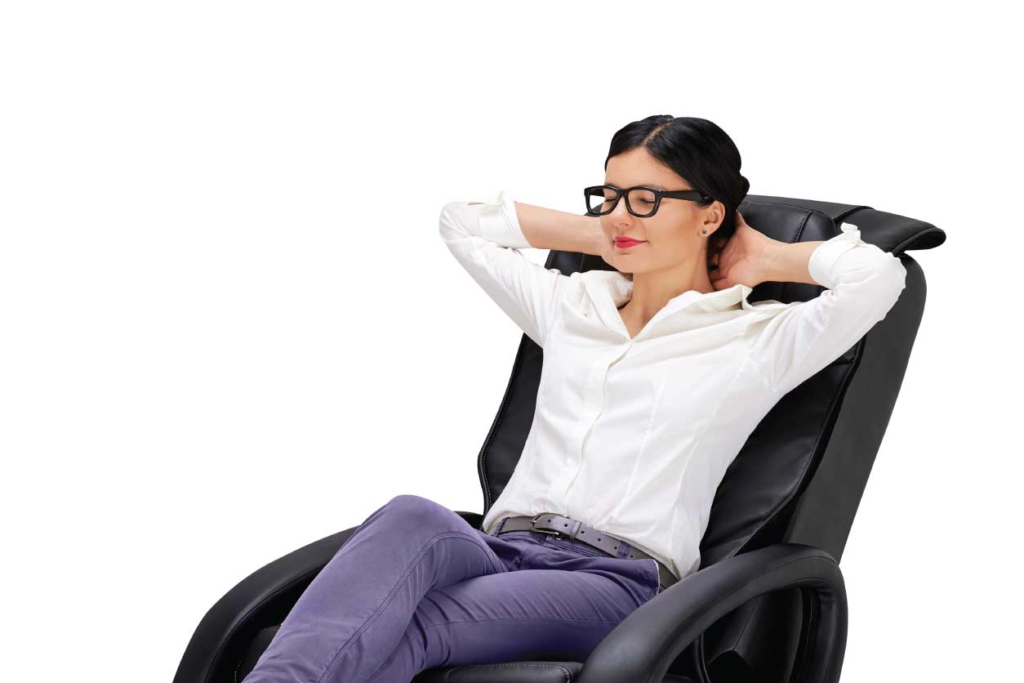
If the chair has body scanning, run it when needed and confirm that the shoulder position is correct before starting an intensive program. A few seconds spent checking alignment can help prevent repeated pressure on the neck or shoulder blades.
Credit: massage-chair-relief.com
FAQ
Can you use a massage chair twice in one day?
Some people can use a massage chair twice in one day if both sessions are short and gentle, but it is best to begin with one session. If you add a second session, make it lighter or target a different area, and stop if you develop tenderness or discomfort.
Is it okay to fall asleep in a massage chair?
It is safer not to sleep while an active massage program is running because you may not notice excessive pressure, awkward positioning, or overheating. If you become sleepy, end the program first and follow the chair manual regarding reclining or resting in the chair.
Should you use a massage chair before or after exercise?
A light session before exercise may feel relaxing, while a gentle session afterward may be more comfortable for some people. Avoid an intense program immediately before activity if it leaves muscles feeling overly loose, sore, or fatigued. Choose timing based on how your body responds.
Can daily massage chair use cause bruising?
It can, particularly if roller pressure or air compression is too strong, sessions are too long, or you bruise easily. Bruising is not a sign that the massage is working. Stop using the affected setting and seek medical advice if bruising is unexplained, severe, or recurrent.
What should you do if the rollers hurt your spine?
Stop the program and check the chair’s body-position settings, shoulder scan, recline angle, and intensity. If adjustment does not make the rollers comfortable, do not continue using that program. The chair may not fit your body well, or you may need advice from a healthcare professional for existing back pain.
Sources & References
- National Center for Complementary and Integrative Health (NCCIH): Massage Therapy—What You Need To Know — evidence and safety information about massage therapy.
- Human Touch: Use & Care Manuals — manufacturer documentation for setup, operation, safety and maintenance.
For model-specific limits, warnings, troubleshooting and maintenance, always follow the manual supplied by the chair manufacturer.