
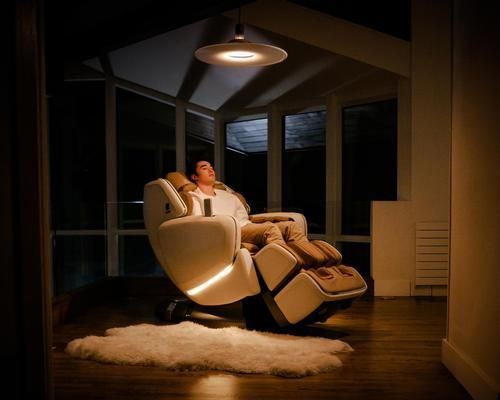
Adding a massage chair in living room can make daily relaxation more convenient, but it also changes how the room looks, sounds, and functions. Unlike a standard armchair, a massage chair may recline, extend a footrest, use air pumps and rollers, and need clear access around its sides and back.
The best setup balances comfort with practical details: available floor space, walking paths, nearby power, noise during use, and how the chair fits the rest of your furniture. Planning these points before buying or moving a chair can prevent a costly arrangement that feels crowded or awkward.
A massage chair for living room use does not need to become the visual center of the space. With the right placement, scale, and finish, it can work as a purposeful relaxation seat while preserving the room’s everyday comfort.
Choose the Right Location Before Moving the Chair In
The ideal location depends on how the living room is used. A massage chair is easiest to enjoy when it is accessible, near a power outlet, and not in the middle of the room’s main traffic route.
Start by identifying the routes people use to enter the room, reach the sofa, open doors, or pass to another area. The chair should not force people to squeeze around it when it is upright or reclined.
Good placement options
- Along a solid wall: This often keeps the chair visually contained and leaves the center of the room open. It works especially well with wall-hugging models designed to recline with limited rear clearance.
- In a quiet corner: A corner can create a dedicated relaxation zone without competing with the main seating area. Make sure there is enough room for the recline and footrest, not just the chair’s upright footprint.
- Near, but not directly facing, the television: Many people use a massage chair while watching television. A slight angle can feel more natural than placing it directly in front of the screen, particularly if the chair sits lower or higher than the sofa.
- Beside a reading lamp or side table: A small table gives the chair a finished, intentional look and provides a place for a remote, phone, glasses, or water.
Locations that usually create problems
- Directly in front of a doorway, hallway, or sliding door
- In front of a window that needs regular access or provides the room’s main light
- Where the reclined chair blocks the path to a sofa or other seating
- Far from a suitable power outlet, requiring a loose extension cord across the floor
- Very close to speakers, a television console, or fragile decor that could be bumped during entry and exit
If the living room is open to a kitchen or dining area, think beyond the boundaries of the rug. A chair that appears to fit within the living zone may still interrupt circulation between rooms once its footrest extends.
Measure the Full Operating Space, Not Just the Chair
One of the most common mistakes when placing a massage chair in living room is measuring only the chair’s upright dimensions. Massage chairs take up more room while reclining, especially models with a long leg rest, zero-gravity positions, or a backrest that moves away from the wall.
Before choosing a location, check the manufacturer’s dimensions for the chair when upright and fully reclined. Also account for room to walk around it, sit down comfortably, and clean behind or beneath it.
Clearances to consider
| Area | What to check | Why it matters |
|---|---|---|
| Behind the chair | Required wall clearance while reclining | Some chairs slide forward as they recline, while others need substantial room behind the backrest. |
| In front of the chair | Footrest extension and legroom | A deployed ottoman can reach into a walking path or collide with a coffee table. |
| On both sides | Space for arms, controls, and entry | Users need enough room to sit down without twisting or brushing against furniture. |
| Above and around the chair | Nearby shelves, lamps, and wall decor | Moving parts, a tall backrest, and head movement can make tightly placed items inconvenient. |
| Access route | Doorways, stairs, elevators, and turns | A chair may fit in the room but be difficult to deliver or move through the home. |
Use painter’s tape, newspaper, or flattened cardboard to mark the chair’s expected footprint on the floor. Create separate outlines for the upright and reclined positions. This simple step reveals whether the chair will interfere with a coffee table, area rug edge, media unit, or doorway.
Wall-hugging designs can help, but verify the requirement
A wall-hugging or space-saving massage chair is often useful in a smaller living room because its base may move forward while the backrest reclines. However, “space-saving” does not mean “no clearance needed.” The required gap varies by model, and the extended leg section still needs open floor space in front.
Check the product manual or official specification sheet rather than relying only on a retailer’s general description. This is particularly important if you intend to position the chair near a wall, bookcase, or built-in cabinet.
Protect Walking Paths and Everyday Seating
A living room must support more than massage sessions. It is often where people talk, watch television, play with children, host guests, or move through the home. A chair that is comfortable on its own can become inconvenient if it dominates the room’s circulation.
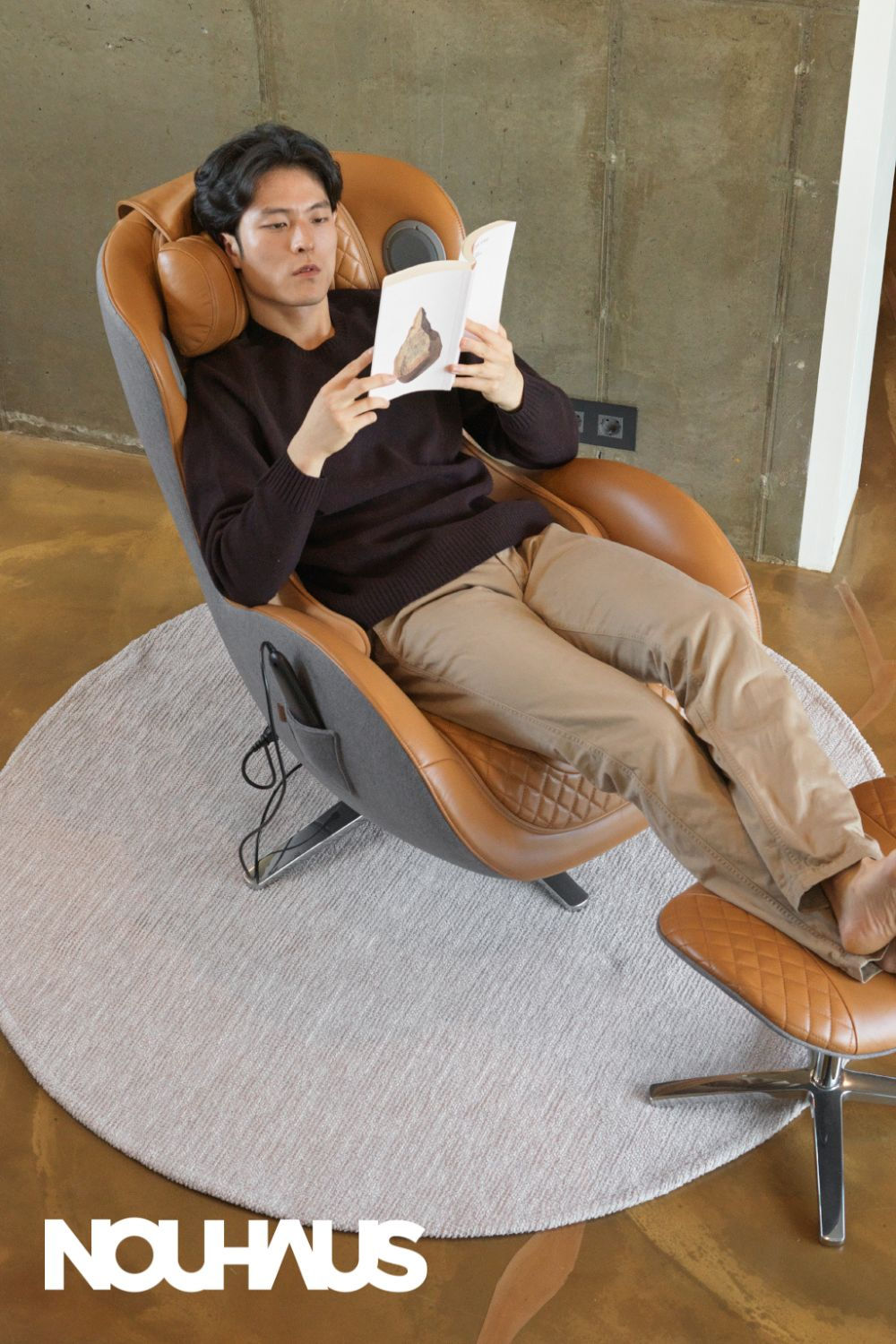
Keep the room’s most-used paths open when the chair is in its normal upright position. Then check whether the chair can recline without making the room unusable. If it cannot, consider a different wall, a smaller model, or a layout in which the coffee table can be moved easily.
Credit: pinterest.com
Plan around the coffee table
The area between a sofa and coffee table is often the first place people consider, but it is not always practical. A massage chair may need to be placed farther back or off to one side so its footrest does not hit the table. In a compact room, an ottoman or nesting tables may offer more flexibility than a large fixed coffee table.
Do not assume that a chair must match the sofa’s exact position. A slight angle toward the conversation area can maintain a social layout while allowing space for the chair’s reclining range.
Consider who will use it
Placement should suit the primary user without making the chair difficult for others to navigate. Someone with limited mobility may benefit from a location with a stable, open approach and a nearby surface for essentials. Avoid placing the chair on a thick, loose rug that could shift underfoot during entry or exit.
If children or pets use the room, keep fingers, tails, toys, and blankets away from moving sections of the chair. Follow the manufacturer’s safety instructions, and avoid leaving the chair operating unattended.
Plan Power and Cable Management Safely
Most massage chairs need a nearby grounded wall outlet. The power cord should reach the outlet without being stretched, pinched under the chair, or routed where people regularly walk.
Positioning the chair near an outlet is safer and cleaner than running a long extension cord across a room. If an extension cord is unavoidable, consult the chair manufacturer’s instructions and use an appropriately rated option. Do not use a damaged cord, overloaded power strip, or a cord hidden beneath a rug, where heat buildup and damage may go unnoticed.
Keep controls and cords accessible
- Leave enough space to reach the plug if the chair needs to be disconnected.
- Ensure the hand controller can rest securely without dangling into a walkway.
- Check that reclining parts do not press against cables, chargers, or outlet covers.
- Use cable covers only where appropriate and only if they do not create a trip hazard or interfere with the chair’s movement.
- Keep drinks and plant watering away from the outlet, control panel, and electrical connections.
For a more permanent setup, an electrician may be able to assess whether an additional outlet is appropriate for the room. Electrical work should be handled by a qualified professional and comply with local requirements.
Manage Massage Chair Noise in a Shared Living Space
Massage chairs are not silent. Depending on the model and selected program, you may hear rollers moving, air pumps inflating and releasing, motors changing the recline angle, vibration functions, and mechanical clicks. The sound is usually more noticeable in a quiet room or late at night.
Noise does not automatically make a massage chair unsuitable for a living room, but it should influence where and when the chair is used. A chair near a television may blend into normal household sound, while one beside a nursery wall, home office, or bedroom could be disruptive.
Ways to reduce perceived noise
- Place the chair away from shared walls: This can reduce how much motor and vibration noise carries into an adjacent room.
- Use a stable floor surface: A level, firm floor helps prevent rattling. If the manufacturer permits it, a suitable floor mat can protect flooring and reduce minor vibration transfer.
- Keep the chair properly assembled: Loose covers, accessories, or nearby furniture can amplify small vibrations.
- Maintain clearance around the chair: Avoid letting it touch walls, tables, or cabinets as it moves.
- Use quieter settings when appropriate: Air compression, vibration, and speaker functions can change the overall sound level depending on the chair’s features.
A new grinding sound, repeated knocking, burning smell, power interruption, or unusually rough movement is not normal background noise. Stop using the chair and consult the manufacturer’s support guidance or a qualified service provider rather than trying to disassemble powered components yourself.
Make the Chair Fit the Room’s Design
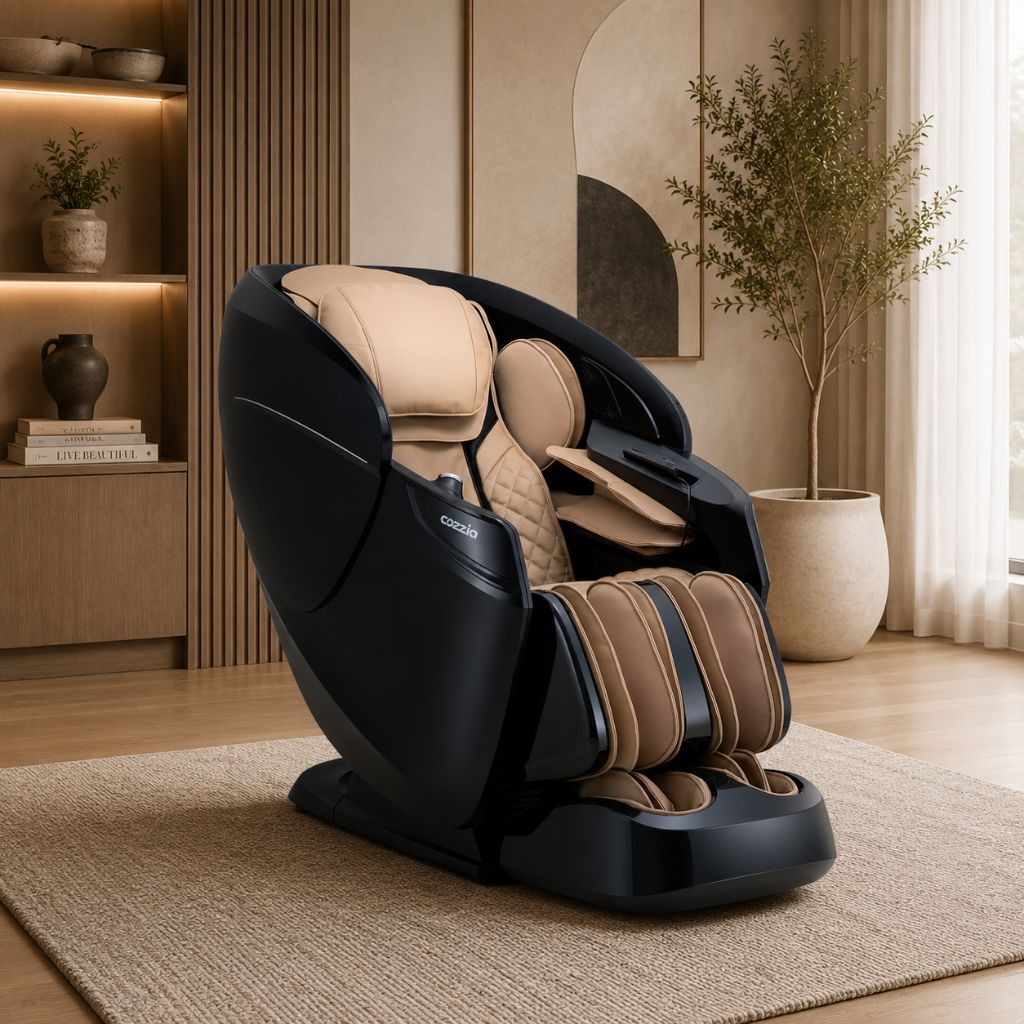
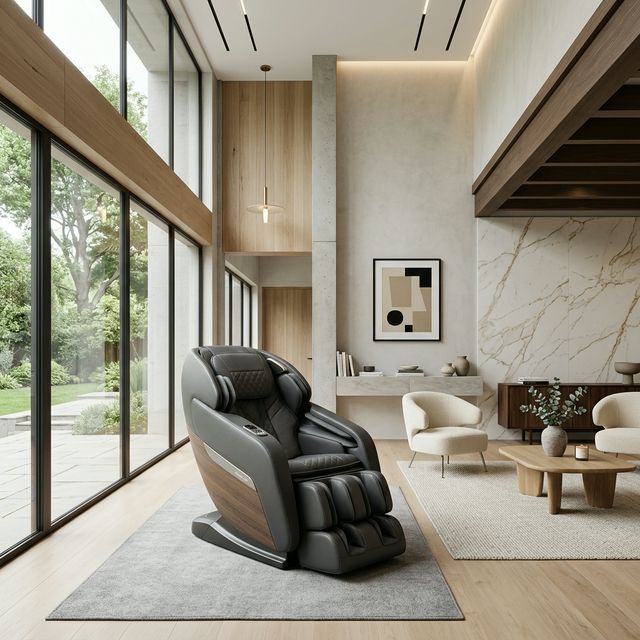
A massage chair is larger and more technical-looking than most lounge chairs, but it can still work with the room’s style. The goal is not always to hide it. Instead, make it look intentional by connecting it to the room through color, materials, lighting, and surrounding furniture.
Credit: relaxtheback.com
Match scale before color
Scale is often more important than an exact color match. A very bulky chair can overwhelm a small living room even if its upholstery matches the sofa perfectly. In contrast, a chair with a more compact silhouette may blend in well despite having a different finish.
Look at the visual weight of the sofa, media console, rug, and other large pieces. A dark, high-backed chair tends to stand out against pale walls and delicate furniture. If it must occupy a prominent place, repeat its darker tone in smaller details such as a throw, picture frame, lamp base, or side table.
Use a dedicated relaxation zone
In larger rooms, a massage chair can work best as part of a small retreat rather than being squeezed into the main sofa grouping. Add a floor lamp, compact side table, and perhaps a low-maintenance plant placed safely outside the chair’s moving range. This makes the chair feel like a defined destination rather than an appliance placed against a wall.
A rug can help visually anchor the zone, but make sure the chair remains stable and that the rug does not bunch beneath the base. If the chair’s instructions recommend a hard, level surface, follow that guidance.
Balance modern features with softer elements
Many massage chairs have visible controls, seams, panels, and curved shells. Softer nearby elements can make the setup feel more at home in a living area:
- Warm lighting instead of a harsh overhead-only light source
- A textured throw placed on nearby seating rather than over moving chair sections
- Wood, fabric, or woven accents that complement the chair’s upholstery
- Closed storage for remotes, manuals, and accessories
- Wall art or shelving positioned high enough and far enough away to avoid interference
Do not cover vents, control areas, moving joints, or sensors with decorative textiles. A blanket may look inviting, but it can get caught in mechanisms or interfere with safe operation.
Consider Flooring, Light, and Room Conditions
The floor beneath a massage chair needs to support its weight and remain stable during reclining and massage programs. Hard flooring can be easy to clean and may provide a firm base, while carpet can help soften sound but may compress under a heavy chair.
If the chair sits on wood, laminate, vinyl, or tile, check whether the manufacturer recommends a protective mat or specific type of floor protection. Avoid improvised pads that slide or make the chair unstable. On carpet, verify that the base stays level and that the chair does not rock when occupied.
Keep sunlight and heat in mind
Direct sunlight can fade some upholstery over time and may make a dark chair uncomfortably warm. Strong heat sources can also affect materials and electronics. Keep the chair away from radiators, fireplaces, heaters, and vents unless the manufacturer specifically allows the placement.
Natural light is still valuable in a relaxation area. Sheer curtains, blinds, or a placement slightly outside the strongest sun path can help preserve the chair while keeping the room pleasant during daytime use.
Check Comfort, Fit, and Practical Use Before Committing
A massage chair for living room use should fit both the room and the people who will use it. Body-size fit affects how well the backrest, shoulder area, leg section, and massage zones align. A chair may look compact enough for the space but feel too narrow, too tall, or too short for its intended user.
Review the manufacturer’s stated user guidance, available adjustment features, and recommended setup instructions. Features such as adjustable shoulder position, extendable legrests, intensity controls, and manual recline settings may matter more than extra programs if multiple household members will use the chair.
Think about how often it will be used
For occasional relaxation, the chair can sit slightly apart from the main conversation layout. For frequent use, convenience matters more: easy entry, nearby power, comfortable lighting, and a clear view of the television or a pleasant focal point.
Also consider whether the chair replaces an existing seat or adds another one. In a small home, replacing a less-used accent chair may preserve better flow than simply adding a massage chair to an already full room.
Maintain the Setup So It Continues to Work Well
A good layout should leave enough access for routine cleaning and basic care. Dust can collect behind the chair and around moving sections, while crumbs, pet hair, and small objects can find their way into gaps around the seat and footrest.
- Keep the area around the chair clear before reclining it.
- Vacuum or clean around the base according to flooring needs.
- Use upholstery care methods approved by the chair manufacturer.
- Inspect the power cord and visible connections periodically for wear or damage.
- Follow the manual’s instructions for cleaning, storage, and service.
If the room is rearranged, repeat the clearance check rather than assuming the chair will operate safely in its new position. A new side table, larger rug, or different coffee table can change the usable space more than expected.
Credit: massagechairsandmore.com
Frequently Asked Questions
Can a massage chair go on an upstairs floor?
It may be possible, but the decision should account for the chair’s weight, the floor structure, delivery route, and the manufacturer’s guidance. If there is any concern about structural capacity or difficult stair access, seek advice from a qualified professional before installation.
Should a massage chair face the TV?
It can, provided the viewing distance is comfortable and the extended footrest does not block a walkway. A slight angle often works better because it preserves access to the screen and helps the chair fit into the conversation area.
Is it safe to place a massage chair near a fireplace?
It should not be placed close enough to be exposed to heat, sparks, smoke, or strong temperature changes. Follow the chair manufacturer’s placement instructions and keep a clear safety zone around any active fireplace or heater.
Can I put a massage chair on a thick area rug?
Only if the chair remains level, stable, and able to move as intended. A thick or uneven rug can affect stability and may interfere with the base. Check the owner’s manual for flooring recommendations before using a rug underneath.
How can I make a massage chair look less bulky in a living room?
Give it breathing room, avoid crowding it with oversized furniture, and connect its color to other accents in the room. A nearby lamp and compact side table can make it look like a planned relaxation area rather than an isolated machine.