
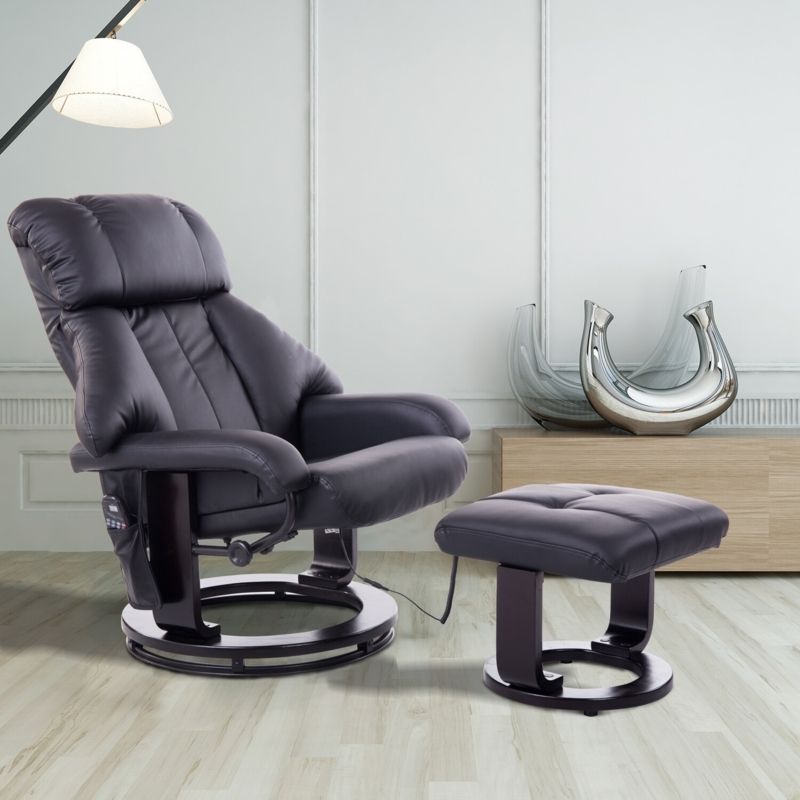
A massage chair with ottoman combines a supportive lounge chair with a separate or integrated footrest, creating a more relaxed seating position than a standard upright chair. The ottoman can improve leg support, give the chair a lighter visual profile, and make it easier to place in living rooms, reading corners, bedrooms, and dedicated relaxation spaces.
However, an ottoman-style model is not simply a conventional massage chair with an extra piece attached. Its massage functions, recline design, foot support, space needs, and maintenance requirements can differ substantially from those of full-body massage chairs with enclosed leg units.
Choosing well means looking beyond appearance. Consider how the chair massages, how your body fits it, whether the ottoman is practical for your room, and how much routine care the upholstery and moving parts will need.
What Defines an Ottoman-Style Massage Chair?
A massage chair and ottoman setup typically includes a reclining chair and a padded footrest. In some designs, the ottoman is fully separate and can be moved independently. In others, it is connected to the chair or slides out from beneath the seat. The massage system may be located mainly in the chair back, while the ottoman provides comfort for the lower legs and feet.
This design is common in compact massage loungers and traditional recliner-style massage chairs. It often appeals to people who want soothing back massage features without the size, appearance, or complexity of a large zero-gravity massage chair.
Not every ottoman massages the legs. Some models provide only a cushioned footrest, while others include vibration, air compression, rolling nodes, or kneading elements in the ottoman. Product descriptions should clearly state which body areas receive massage and which features are limited to support or heat.
Separate ottoman versus attached footrest
| Design | How it works | Potential advantages | Potential limitations |
|---|---|---|---|
| Separate ottoman | A movable footrest sits in front of the chair. | Flexible placement, easier room styling, can sometimes serve as extra seating. | May shift during use and requires separate floor space. |
| Attached ottoman | The footrest is fixed to the chair frame or moves with the recline. | Stays aligned with the chair and usually feels more stable while reclining. | Can increase the chair’s front clearance requirement. |
| Retractable footrest | The ottoman folds, slides, or pivots out from under the chair. | More compact when not in use and visually unobtrusive. | Mechanisms may need more careful operation and cleaning. |
| Massage-equipped ottoman | The footrest contains massage or vibration components. | Adds lower-leg or foot-focused comfort without a large leg enclosure. | Massage coverage and intensity may be more limited than on full-size massage chairs. |
Massage Functions to Expect
The massage experience depends far more on the chair’s internal system than on the presence of an ottoman. Many ottoman-style chairs are designed for gentle relaxation rather than intensive, customizable full-body sessions. That can be a benefit for someone who prefers simpler controls and a less mechanical feel.
Back massage mechanisms
Common systems include rotating nodes, vibrating pads, fixed-position kneading heads, and rollers that travel along part of the backrest. A chair with moving rollers may cover more of the back than a fixed-node model, but roller travel range varies by design. Some compact chairs focus on the lower back and mid-back rather than reaching the shoulders or neck.
Look for clear information about the massage zones available. Useful options may include:
- Upper-back, mid-back, and lower-back selection
- Spot massage for a specific area
- Kneading, rolling, tapping, or vibration modes
- Adjustable speed or intensity
- Timed sessions with automatic shutoff
- Heat in the lumbar area, where included
Heat can feel pleasant, but it is not a substitute for medical care. People with reduced heat sensitivity, circulation concerns, or conditions that affect sensation should be cautious and follow the manufacturer’s safety guidance. If pain, numbness, or other symptoms persist, professional medical advice is more appropriate than increasing massage intensity.
What the ottoman contributes to comfort
The ottoman changes the seating posture by supporting the calves, ankles, or feet. When properly positioned, it can reduce the feeling of having to hold your legs up while reclining. This matters during longer relaxation sessions, reading, watching television, or using the chair’s massage functions.
A massage ottoman may add vibration or air compression around the calves. These functions can provide a light squeezing or pulsing sensation, but they should not be confused with treatment for circulation problems, swelling, or medical conditions. If leg compression feels painful, causes tingling, or leaves excessive pressure marks, stop using that function and reassess the fit and intensity.
Controls and everyday usability
Simple controls are often an advantage. A wired remote, side-panel buttons, or an integrated control pocket can make it easier to change settings without interrupting a session. Before buying, check whether the controls allow separate adjustment of massage type, area, heat, recline, and ottoman functions.
Also consider the practical details that are easy to overlook:
- Whether the remote has clear labels and a convenient storage location
- Whether the chair returns to an upright position easily
- Whether massage starts at a gentle setting or defaults to a strong program
- Whether the timer can be adjusted or only runs for a preset duration
- Whether power cords can be routed safely without creating a trip hazard
Design, Style, and Room Placement
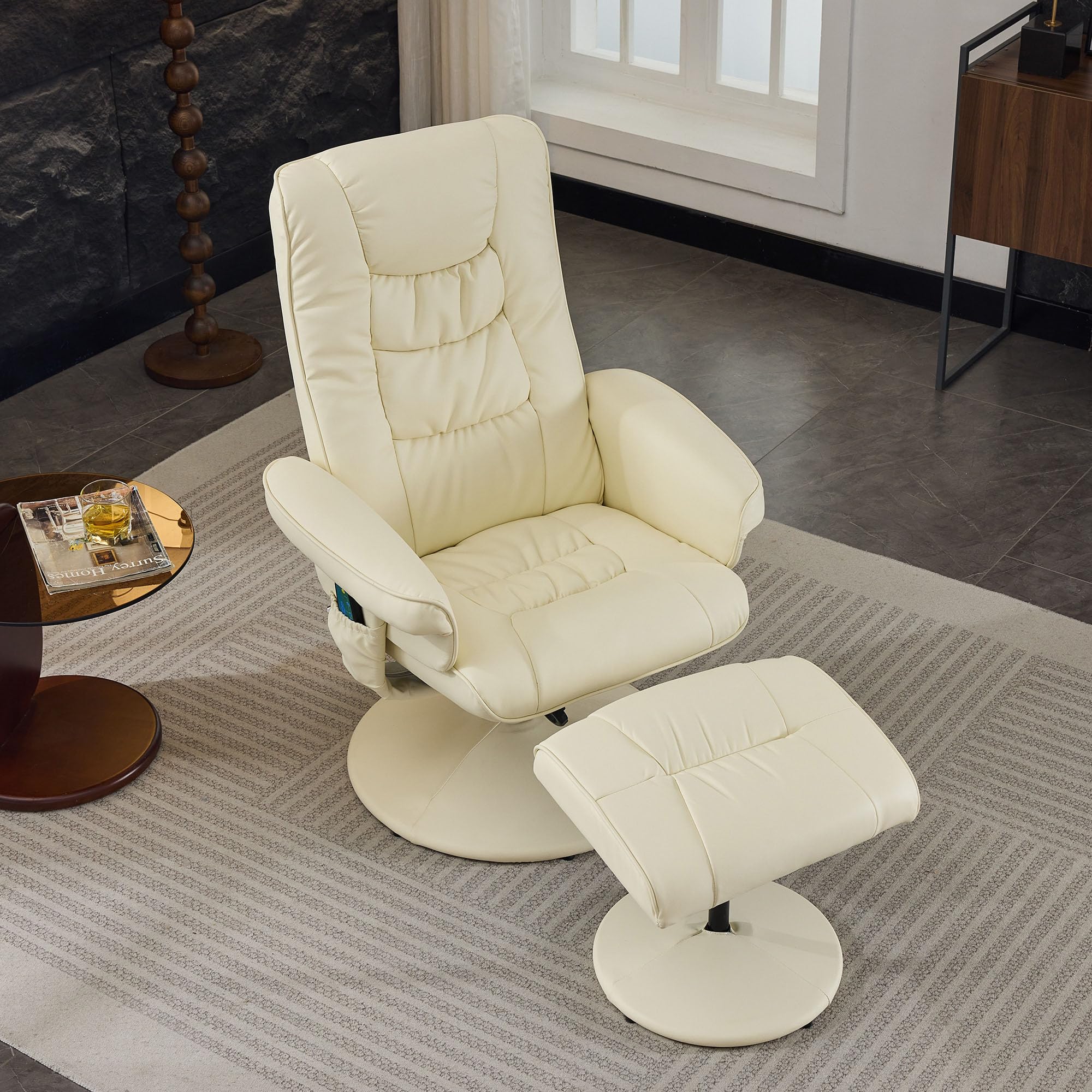
One reason to choose a massage chair with ottoman is that it may look more like conventional furniture than a large capsule-shaped massage chair. Upholstery, wood accents, exposed bases, and slimmer armrests can help it suit a living room instead of making it look like dedicated equipment.
Still, visual compactness does not always mean the chair needs little space. A reclining backrest and an ottoman placed in front of the chair can create a surprisingly long footprint.
Credit: amazon.com
Measure the usable space, not only the chair
Measure the intended area with the chair upright, fully reclined, and with the ottoman in its normal use position. Include room for walking around the furniture, opening doors, accessing side tables, and reaching electrical outlets. If the ottoman is separate, decide where it will sit when the chair is not in use.
Manufacturer dimensions are important, but they should be compared with your actual room layout. Pay particular attention to:
- Back clearance needed for reclining
- Front clearance for the ottoman and extended legs
- Width between nearby furniture or walls
- Clear pathways around the chair
- Outlet position and cord length
- Floor type and whether the chair base could mark or slide on it
A rug can help visually anchor a chair and ottoman pair, but thick or loose rugs may affect the stability of an ottoman or interfere with a swivel base. If the chair rotates, verify that it can turn without catching nearby furniture.
Upholstery choices
Upholstery affects both appearance and maintenance. Faux leather and leather-like coverings are common because they are relatively easy to wipe clean. Fabric can feel warmer and less slippery, while genuine leather can develop character over time when cared for correctly. Each option has trade-offs.
| Material type | Comfort and appearance | Care considerations |
|---|---|---|
| Faux leather or polyurethane upholstery | Smooth, modern, and often easy to coordinate with contemporary rooms. | Wipe spills promptly; avoid harsh cleaners, solvents, and prolonged direct sunlight. |
| Genuine leather | Natural feel and a more traditional furniture look. | Needs leather-appropriate cleaning and conditioning; check the manufacturer’s instructions first. |
| Woven fabric | Soft, breathable, and available in many textures and colors. | May collect dust and absorb spills more readily; vacuum gently and treat stains carefully. |
| Microfiber or performance fabric | Often soft with a practical, casual appearance. | Cleaning methods vary, so use only the recommended products and test discreetly when permitted. |
Comfort and Body-Size Fit
A chair can have capable massage features and still be uncomfortable if its proportions do not suit the user. The best fit supports your body in a relaxed position before the massage function is even switched on.
Seat height, seat depth, backrest height, armrest position, and ottoman height all influence comfort. A seat that is too high can leave shorter users unable to rest their feet naturally. A seat that is too deep may create pressure behind the knees or make it difficult to use the backrest fully. Conversely, a shallow seat may not provide enough thigh support for taller users.
Check the seating position first
When evaluating a model in person, sit in it with the massage turned off. Your lower back should rest against the backrest without forcing you to slide forward. Your thighs should be supported without the front edge pressing sharply behind your knees. Armrests should feel reachable rather than too high, too low, or too far apart.
Then place your feet on the ottoman. Your legs should feel supported without your knees being pushed too high or left hanging without calf support. A separate ottoman gives more freedom to adjust distance, which can be especially useful in households with users of different heights.
Recline angle and head support
Some models offer only a modest recline, while others are designed for a deeper lounge position. A deeper recline may be more relaxing for some users, but it can also make entering and exiting the chair harder. Head and neck support are particularly important if you plan to spend long periods reading, watching screens, or resting in the chair.
Do not assume that a plush head cushion is automatically beneficial. If it pushes the head too far forward, it may feel awkward rather than supportive. Removable or adjustable cushions can offer more flexibility, but they should stay secure during reclining and massage movement.
Buying Considerations Beyond the Feature List
A feature list can make two chairs seem similar, yet their day-to-day use may be very different. Focus on the features that affect your own comfort and room rather than paying extra for modes you may never use.

Credit: nouhaus.com
Questions to ask before purchasing
- Does the chair provide the massage areas I actually want: back, shoulders, calves, feet, or only vibration?
- Can I comfortably sit in the chair with the massage system off?
- Is the ottoman separate, attached, or retractable, and which layout suits my space?
- How far does the chair need to sit from the wall when reclining?
- Are the controls understandable for everyone who will use the chair?
- Can the upholstery be cleaned realistically in my household?
- What assembly is required, and can the chair fit through doorways, hallways, and stairwells?
- What does the warranty cover, including upholstery, motors, electrical components, and labor?
Noise, weight, and moving the chair
Massage motors, vibrating elements, and reclining mechanisms create some sound. The volume may be unimportant in a busy living room but more noticeable in a bedroom or quiet apartment. If noise sensitivity matters, seek a demonstration or consult manufacturer information rather than assuming all massage systems perform alike.
Even a relatively slim massage chair can be heavy because of its frame, motors, and internal components. Plan delivery carefully. Confirm the packaged dimensions if access through narrow entrances is a concern, and avoid dragging the chair across flooring. A separate ottoman may be easier to move than an integrated leg section, but it is still worth checking the total layout before committing.
Power and safety considerations
Place the chair near a suitable wall outlet and keep cords visible enough to inspect but protected from foot traffic, pets, and furniture edges. Avoid overloading extension leads or using damaged cables. If the manufacturer permits an extension cord, follow its requirements exactly.
Keep children and pets away from moving recline joints, folding footrests, and accessible gaps. Do not allow anyone to sit or stand on an ottoman unless the manufacturer specifically states that it is designed for that use. The safest approach is to operate recline and massage functions only while the chair area is clear.
Maintenance That Helps the Chair Last
Routine maintenance is usually straightforward, but neglect can shorten the life of upholstery, mechanical joints, and electrical components. The owner’s manual should always take priority because cleaning products and service instructions vary by model.
Regular cleaning
Remove dust from seams, control pockets, and the space around moving parts using a soft cloth or a vacuum attachment suitable for upholstery. For most smooth coverings, a lightly damp cloth is safer than soaking the surface. Dry the material afterward so moisture does not collect in seams.
Avoid abrasive pads, bleach, strong degreasers, alcohol-based products, and unapproved sprays unless the manufacturer specifically recommends them. These can discolor upholstery, strip protective finishes, or make synthetic materials crack or peel over time.
Inspect the chair and ottoman periodically
- Check the power cord and plug for wear, crushing, or looseness.
- Look for loose screws, unstable legs, or unusual movement in the base.
- Listen for new clicking, grinding, or straining sounds during recline.
- Examine upholstery seams for early signs of splitting or fraying.
- Make sure a separate ottoman remains level and stable on the floor.
- Clear dust, pet hair, and small objects from retractable footrest areas.
If the chair begins to operate unpredictably, stops mid-recline, produces a burning smell, or has damaged wiring, unplug it and arrange qualified service according to the warranty or manufacturer’s support process. Do not attempt to open motor housings or electrical panels unless you are specifically trained and authorized to do so.
Protecting upholstery from everyday wear
Direct sunlight and heat sources can fade or dry out many upholstery materials. Position the chair away from radiators, fireplaces, and strong sun where possible. If the chair is used frequently, rotate cushions when the design allows and clean spills quickly rather than rubbing them deeper into the surface.
Be cautious with sharp objects in pockets, metal clothing hardware, pet claws, and heavily textured blankets. A washable throw can protect high-contact areas, but it should not obstruct moving parts, vents, controls, or the massage mechanism.
When an Ottoman Model Makes Sense
An ottoman-style massage chair is often a good choice for someone who values a furniture-like look, gentle relaxation, and flexible foot support. It can work especially well in rooms where a large enclosed-leg massage chair would dominate the space.
It may be less suitable for buyers seeking extensive automatic programs, highly adjustable full-body roller tracks, or intensive foot-and-calf massage. In that case, a larger dedicated massage chair may offer broader coverage, though it will usually require more floor space and have a more equipment-focused appearance.
The right choice is the one that fits your body, your room, and your actual habits. A comfortable chair with an easy-to-use massage system and a well-positioned ottoman is likely to be used far more often than a feature-heavy model that feels awkward or overwhelms the space.

Credit: nouhaus.com
Frequently Asked Questions
Can an ottoman be used without turning on the massage chair?
Yes. In most designs, the ottoman functions as a normal footrest whether or not the massage system is running. This makes the chair useful for reading, relaxing, or watching television even when you do not want a massage session.
Does a separate ottoman need to match the chair exactly?
For visual consistency and proper support height, a matching ottoman is usually the best option. A different footrest can work, but its height, firmness, and width should allow your legs to rest comfortably without changing your posture awkwardly.
Are massage chairs with ottomans suitable for small apartments?
They can be, particularly models with compact frames or retractable footrests. Measure the fully reclined footprint and preserve a clear walking path. A separate ottoman should also have a practical storage or placement plan when it is not being used.
How often should a massage chair be cleaned?
Light dusting or vacuuming is sensible as part of normal furniture care, especially around seams and moving sections. Clean spills immediately, and inspect cords, upholstery, and mechanical areas periodically. The best schedule depends on use, pets, and the upholstery material.
Can I use a massage chair with ottoman if I have a health condition?
Massage may not be appropriate for every condition or situation. If you are pregnant, have a recent injury or surgery, use implanted medical devices, have circulation concerns, or experience unexplained pain or numbness, ask a qualified healthcare professional before using massage or heat functions.