
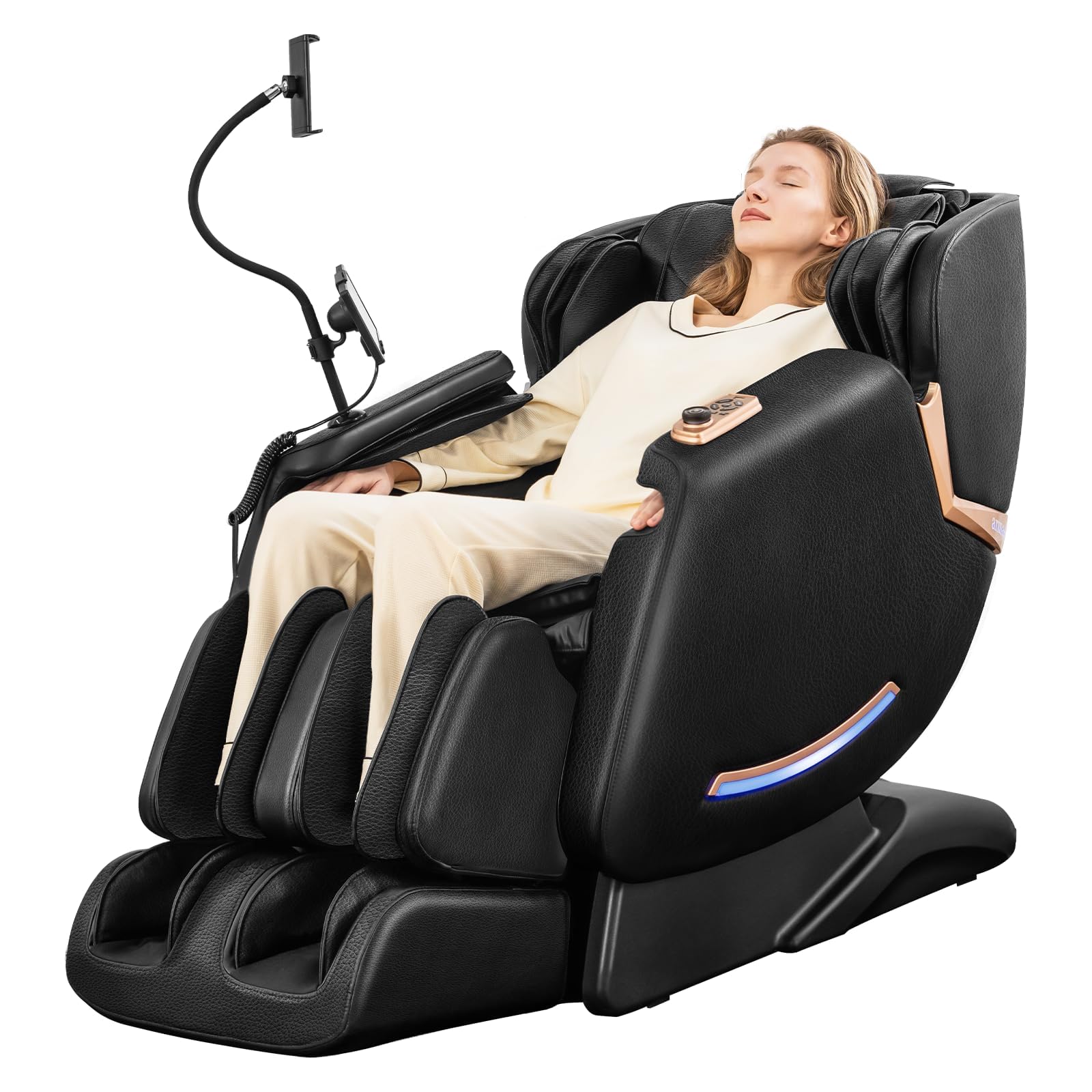
Full body massage chairs use a combination of moving rollers, air cells, recline functions, heat, and sometimes stretching programs to massage more than one area at a time. Rather than focusing only on the back, they are designed to work across the neck, shoulders, back, hips, legs, feet, arms, or calves, depending on the model.
They can be a practical comfort feature for people who want regular at-home relaxation without booking appointments. However, the experience varies widely between chairs. A model with good body scanning, suitable roller coverage, and a comfortable fit can feel targeted and supportive; a poorly matched chair may feel too intense, too narrow, or unable to reach the areas that matter most.
Understanding how full body massage chairs work makes it much easier to choose features that match your body size, available space, comfort preferences, and intended use.
What Makes a Massage Chair “Full Body”?
A massage chair full body design is built to provide massage or pressure across several major areas of the body rather than only the upper or lower back. There is no single industry-wide feature list that every manufacturer follows, so the term should be treated as a description of coverage rather than a guarantee of identical performance.
Most full body massage chairs include a back massage track, while more equipped models also add airbags or air cells for the shoulders, arms, hips, legs, and feet. Foot rollers, calf compression, and reclining positions are particularly common in chairs marketed as full-body models.
Typical massage zones
- Neck and shoulders: Usually addressed by upper-back rollers, airbags, or both.
- Upper, middle, and lower back: The central roller mechanism commonly handles these areas.
- Hips and seat: Air compression, vibration, or seat-based mechanisms may provide pressure around the hips and glutes.
- Arms and hands: Arm wells with airbags can apply rhythmic compression from the forearm toward the hand.
- Calves: Enclosed calf compartments may use airbags, rollers, or kneading components.
- Feet: Foot rollers and airbags may massage the soles, sides, and tops of the feet.
Coverage matters, but it is not the only measure of quality. A chair that reaches the feet may still be a poor choice if its back rollers do not fit your height or if the calf area is too short for your legs. Fit and adjustability determine whether the advertised zones actually feel useful.
How Full Body Massage Chairs Work
Most chairs combine mechanical massage with air compression. The mechanical system delivers the familiar rolling, kneading, tapping, or tapping-and-kneading sensations along the back. Airbags inflate and deflate around other parts of the body to create gentle compression and release.
Rollers and massage tracks
The rollers are the main massage mechanism for the back. They move along a track inside the chair back and may change speed, width, direction, and intensity based on the selected program.
Track length affects the possible massage area. Shorter tracks typically focus on the back, while longer tracks may continue below the lower back toward the seat or upper glute area. Product descriptions often use terms such as S-track, L-track, or hybrid track. These labels are helpful, but the practical question is simpler: where do the rollers travel, and do they reach the areas you want covered?
- S-track: Follows the natural curve of the spine and generally focuses on the back.
- L-track: Extends farther down from the back into the seat area on many designs.
- Long or hybrid tracks: May describe extended coverage, but the exact length and path remain model-specific.
Rollers usually perform variations of kneading, rolling, tapping, shiatsu-style pressure, or combinations of these movements. The names of individual techniques are not standardized. Two chairs can use the same program name while delivering a noticeably different sensation, so adjustable intensity and the ability to customize a session are more valuable than a long list of massage labels.
Body scanning and positioning
Many full body massage chairs use a body scan at the start of a program. The chair attempts to identify the position of your shoulders and back so it can place the roller movements more accurately. Some chairs let you fine-tune the shoulder position manually, which is useful because automatic scanning is not perfect for every body shape.
Look for simple controls that let you adjust roller position, massage width, speed, and intensity. These settings can make the difference between a pleasant session and pressure that feels misplaced or overly strong.
Air compression massage
Air cells inflate and release in cycles, applying pressure around parts of the body that rollers cannot easily reach. In a full body zero gravity massage chair, air compression often works alongside recline to hold the body securely and provide massage to the arms, hips, calves, and feet.
Compression should feel firm but not painful. Stronger is not always better. If your hands become numb, your calves feel pinched, or the pressure is uncomfortable, reduce the setting or end the session. Models with separate air-intensity controls are easier to tailor to different users.
Foot and calf mechanisms
Foot massage systems vary more than buyers often expect. Some use rollers beneath the soles, while others rely mainly on airbags. More elaborate designs can combine sole rollers, heel support, toe or instep airbags, and calf compression.
A good foot-and-calf section should fit your leg length and foot size without forcing your knees upward or leaving your feet unsupported. If possible, check whether the ottoman extends, slides, or adjusts. This is especially important for taller users and households where several people will use the chair.
What Zero Gravity Means in a Massage Chair
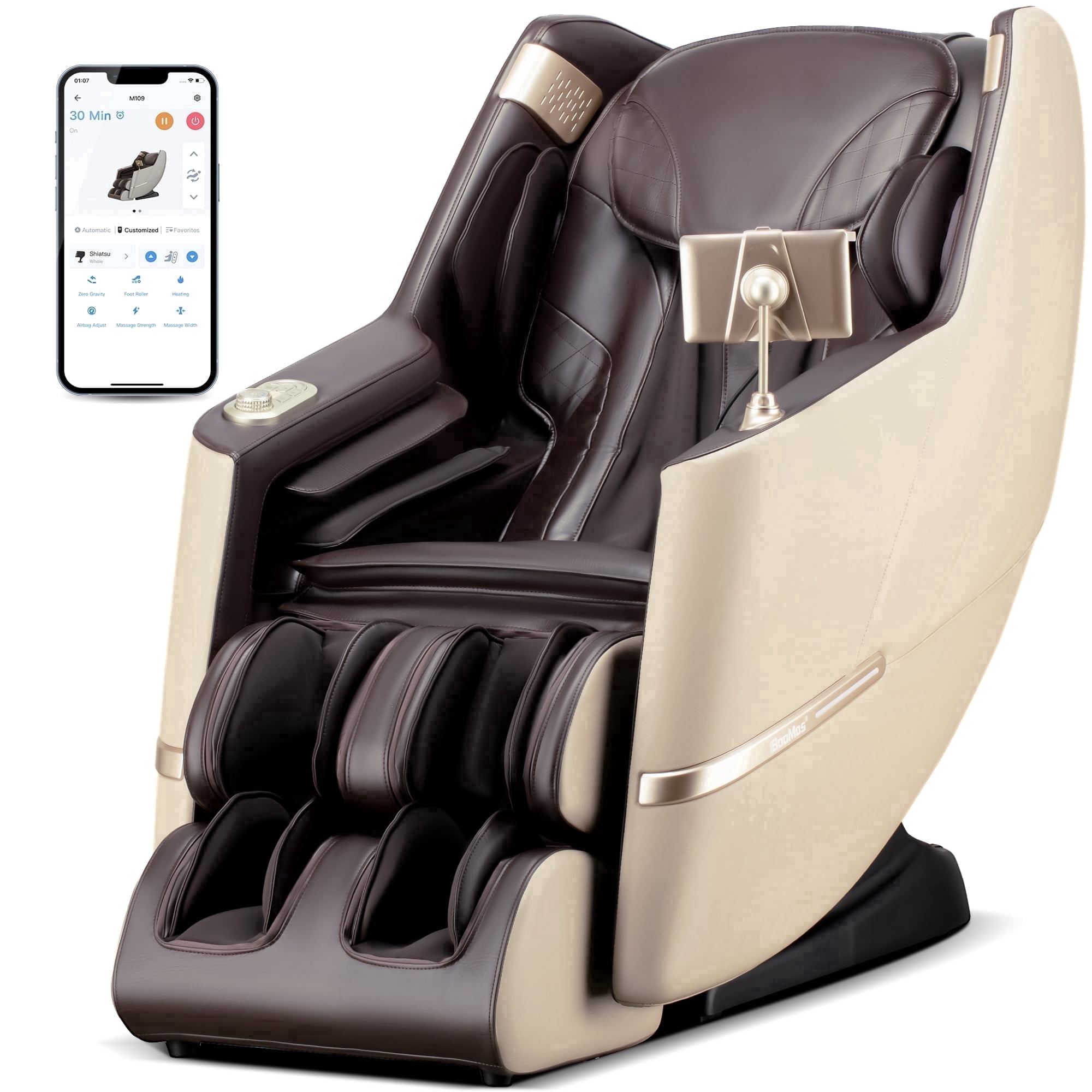
Zero gravity is a reclined seating position inspired by the posture astronauts use during launch. In a massage chair, the backrest reclines and the legs rise so the body rests in a more laid-back position. It does not mean you are weightless, and it is not a medical treatment.
A full body zero gravity massage chair can feel more comfortable because reclining spreads body weight across the chair and may reduce the sense of pressure on the lower back. It can also help keep your body in close contact with the rollers and airbags, which may make the massage feel more consistent.
Credit: walmart.com
Why recline quality matters
Not every reclining chair offers the same experience. Consider how far the chair reclines, whether the footrest rises smoothly, and whether the chair supports the neck and shoulders in the reclined position. Some people prefer a deep recline, while others feel more comfortable with a modest angle.
Also check the clearance required behind the chair. Space-saving or wall-hugging models move forward as they recline, reducing the gap needed between the chair and wall. Traditional designs may need considerably more open space. Measure the room with the chair fully reclined in mind, not only its upright footprint.
Who Full Body Massage Chairs May Suit
These chairs are best suited to people who value regular comfort and relaxation, have enough room for a large piece of furniture, and are willing to spend time finding a model that fits. They can be particularly appealing when several household members want access to different massage styles and settings.
People who may appreciate one
- People who spend long periods sitting at a desk and want a convenient way to relax after work.
- Users who prefer adjustable massage pressure over a one-size-fits-all device.
- People who enjoy calf, foot, arm, or hip compression in addition to back massage.
- Households that can justify the floor space and expect the chair to be used regularly.
- Anyone who finds a reclined position more relaxing than an upright massage seat.
Comfort preferences are personal. Some users enjoy firm roller pressure and active stretching programs, while others prefer gentle rolling and lighter air compression. A chair with broad adjustability is generally a safer choice for shared use than one built around a single intense massage style.
When a full-body model may not be the best fit
A full-size chair may be unnecessary if you only want occasional upper-back comfort, have a tight room layout, or dislike enclosed arm and calf compartments. A compact back massager, reclining chair with basic vibration, or a professional massage appointment may suit some needs better.
People with limited mobility should also think carefully about entry and exit. A deeply contoured seat, narrow arm channels, or elevated foot section can be difficult to use for someone who cannot easily bend, step over a footrest, or push up from a reclined position.
Health and Safety Considerations
Massage chairs are comfort products, not a replacement for medical assessment, physical therapy, or treatment. They may help some people relax or feel temporarily less stiff after sitting or activity, but they should not be presented as a cure for pain, injury, circulation problems, or other health conditions.
If you have a medical condition, recent surgery, an implanted device, pregnancy-related concerns, reduced sensation, significant swelling, a blood-clotting issue, or unexplained pain, ask a qualified healthcare professional whether a massage chair is appropriate. Follow the chair manufacturer’s safety guidance as well.
Use the chair conservatively at first
- Begin with a gentle program and a short session.
- Use the lowest comfortable roller and air-pressure settings.
- Adjust the shoulder position if the rollers press too high or too low.
- Stop if you feel pain, numbness, dizziness, worsening symptoms, or unusual discomfort.
- Do not fall asleep in the chair during an active massage program.
Heat can feel soothing, but it also deserves care. Avoid prolonged use if you have reduced sensitivity to temperature, and do not rely on heat to mask pain that needs medical evaluation.
What to Look For Before You Buy
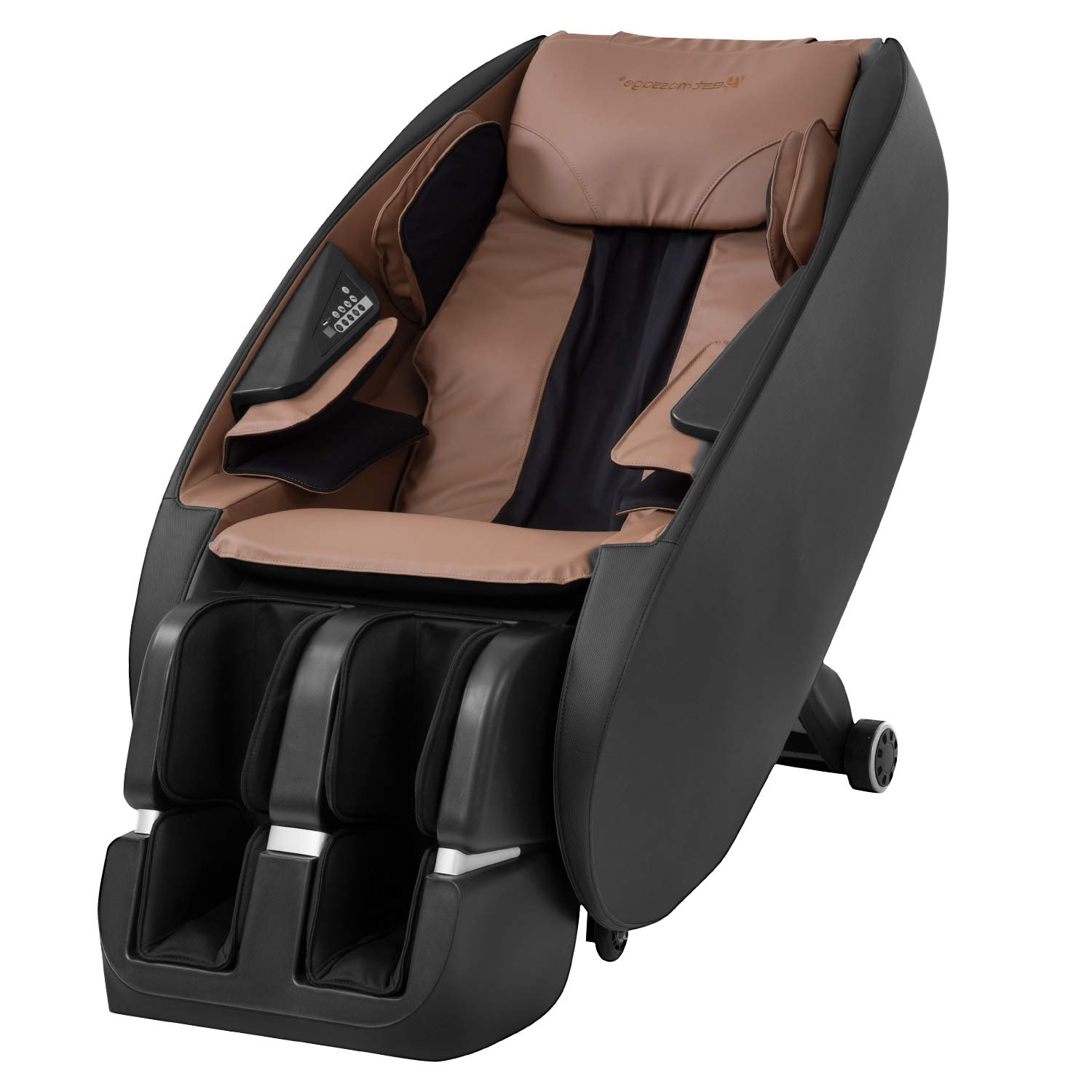
The best full body massage chairs are not necessarily the ones with the most programs. Prioritize fit, massage coverage, controls, space requirements, and support after purchase. A chair you can adjust easily and use comfortably is likely to provide more value than a feature-heavy model that feels awkward.
Credit: amazon.com
Body size and chair fit
Check the manufacturer’s recommended user height range, maximum user weight, seat width, shoulder width, and calf or footrest range where available. These specifications are not minor details. They affect whether the rollers align with your back, whether your shoulders sit naturally in the chair, and whether the leg section feels comfortable.
Very tall users should pay particular attention to shoulder placement and leg extension. Smaller users should make sure the neck rollers do not sit too high and that the seat does not feel excessively deep. If the chair will be shared, look for adjustable components rather than assuming one fixed shape will suit everyone.
Massage intensity and customization
Choose a chair with meaningful control over the massage. Useful options may include:
- Roller intensity, speed, and width adjustments.
- Separate air-compression intensity settings.
- Manual massage modes for targeting a specific back area.
- Adjustable recline positions.
- User memory settings, if multiple people will use the chair.
- Easy-to-reach controls or a clear remote with understandable labels.
Automatic programs are convenient, but manual control is what helps you adapt the chair when a preset is too strong, too long, or focused on the wrong area.
Space, delivery, and room access
Massage chairs are large and heavy compared with standard recliners. Before ordering, measure the intended location, the chair’s fully reclined space, doorways, hallways, staircases, elevators, and any tight turns between the delivery entrance and the room.
Confirm what delivery includes. Some chairs arrive in sections and require assembly; others may need professional setup. It is also sensible to check where the power outlet is located and avoid routing a cable where it creates a trip hazard.
Upholstery, cleaning, and long-term upkeep
Most massage chairs use synthetic upholstery designed for easy wiping, but durability and feel can vary. Consider pets, children, sunlight exposure, and how often the chair will be used. Light-colored upholstery can show marks more easily, while dark finishes may make dust or lint more visible.
Use only the cleaning methods approved by the manufacturer. Harsh cleaners, excessive moisture, and unapproved oils can damage upholstery, sensors, and moving components. Periodically inspect the power cord, remote, upholstery seams, and moving areas for wear.
Warranty and service support
A massage chair has motors, rollers, air pumps, electronics, and moving joints. Warranty terms and local repair support matter more than they do for a simple upholstered chair. Read what is covered, for how long, whether in-home service is available, and who pays for transportation if repairs are needed.
It is worth checking whether replacement parts and service technicians are available in your region. A lower upfront price can be less attractive if support is difficult to access later.
Features Worth Comparing Side by Side
| Feature | Why It Matters | What to Check |
|---|---|---|
| Roller track | Determines the main back and seat massage path. | Where the rollers start and stop, not just the track name. |
| Body scan | Helps position rollers for your shoulders and back. | Manual shoulder adjustment and reliable controls. |
| Airbags or air cells | Add compression to arms, hips, calves, and feet. | Which zones are covered and whether pressure is adjustable. |
| Foot and calf unit | Strongly affects full-body coverage and tall-user comfort. | Foot rollers, calf fit, leg extension, and ease of entry. |
| Zero gravity recline | Can improve comfort and contact with massage components. | Recline range, neck support, and wall clearance. |
| Programs and controls | Determine how easily you can tailor each session. | Manual modes, intensity settings, and readable interface. |
| Warranty and service | Protects a complex product with moving parts. | Coverage details, repair process, and local support. |
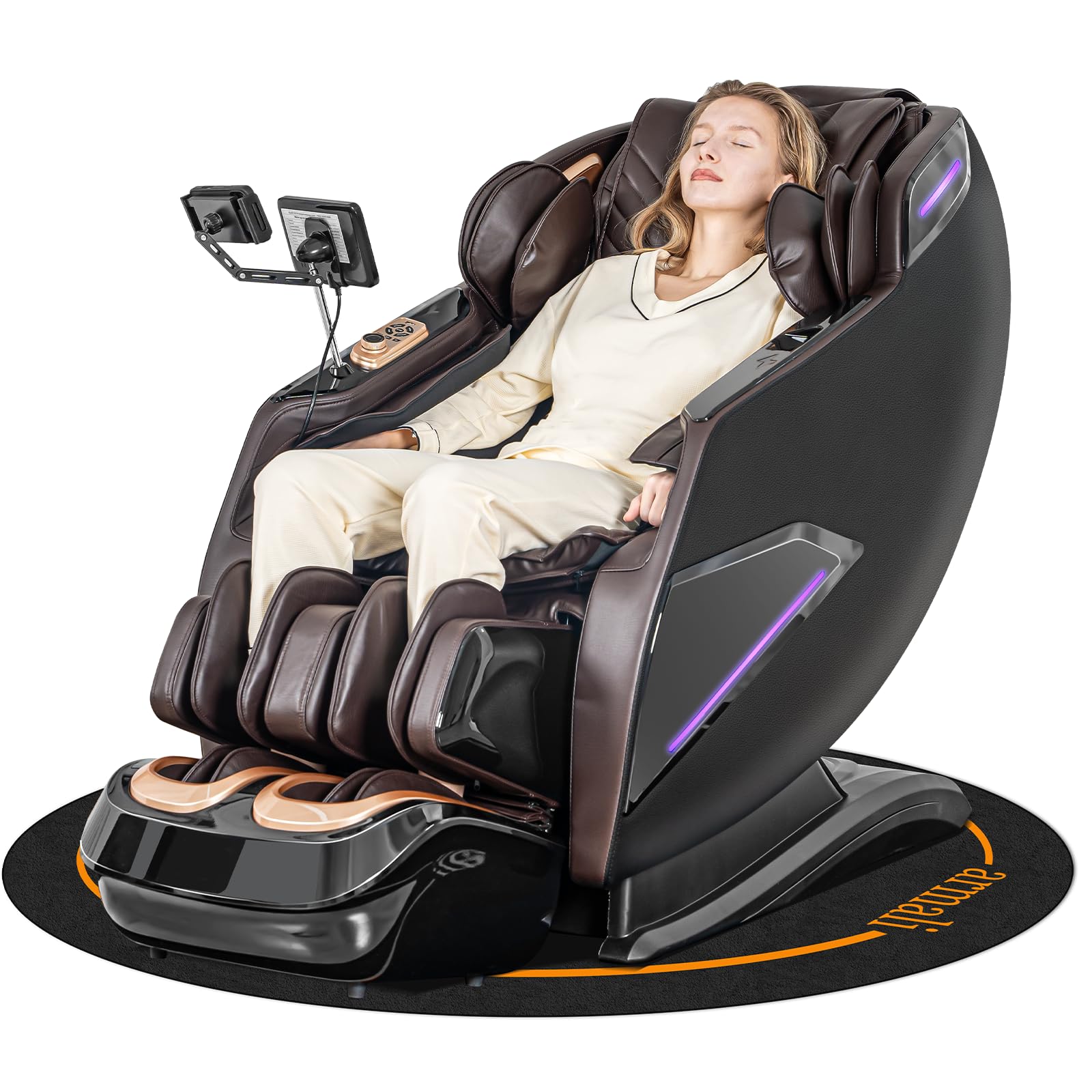
Common Buying Mistakes to Avoid
Credit: amazon.com
Choosing by the number of programs alone
Dozens of automatic programs do not compensate for poor fit or limited intensity control. Focus first on how the chair supports your body and whether its core massage functions feel appropriate for you.
Ignoring the fully reclined footprint
Many buyers measure only the upright dimensions. A chair can become impractical if it cannot recline fully in its intended location or blocks a walkway whenever it is used.
Assuming more intensity equals better massage
Very firm rollers and high-pressure airbags can be enjoyable for some users but uncomfortable for others. The ability to lower intensity is often more important than an aggressively powerful maximum setting.
Overlooking arm and leg fit
Back massage receives most of the attention, yet arm channels and calf wells can determine whether a chair feels relaxing or restrictive. If these areas do not fit comfortably, the chair may not deliver the full-body experience you expected.
Skipping the return and service terms
Because fit is so individual, know the retailer’s return policy before purchase. Also understand whether return shipping, restocking, assembly, or removal costs apply. These details can be significant for a large chair.
FAQ
How long should a massage chair session last?
Start with a short, gentle session and follow the chair manufacturer’s guidance. Many chairs include timed programs, which can help prevent overuse. If you feel sore or uncomfortable afterward, reduce the intensity or session length next time.
Can a massage chair replace professional massage therapy?
No. A chair can offer convenient relaxation and routine comfort at home, but it cannot assess your needs, adapt hands-on techniques in the same way, or replace medical or therapeutic care when that is needed.
Are foot rollers better than air compression for the feet?
Neither is universally better. Foot rollers provide more direct pressure along the soles, while airbags create broader compression around the foot. Many users prefer a chair that combines both and allows pressure adjustment.
Do full body massage chairs make a lot of noise?
They produce some sound from motors, rollers, air pumps, and moving recline components. Noise levels vary by model and program. If the chair will be used near sleeping areas or in a quiet shared room, review product demonstrations and user guidance where available.
What is the most important feature for a first-time buyer?
Fit is the most important starting point. Confirm that the chair suits your height, shoulder position, leg length, and room dimensions before comparing advanced programs or entertainment features. A well-fitting chair with useful adjustments is usually the better long-term choice.