
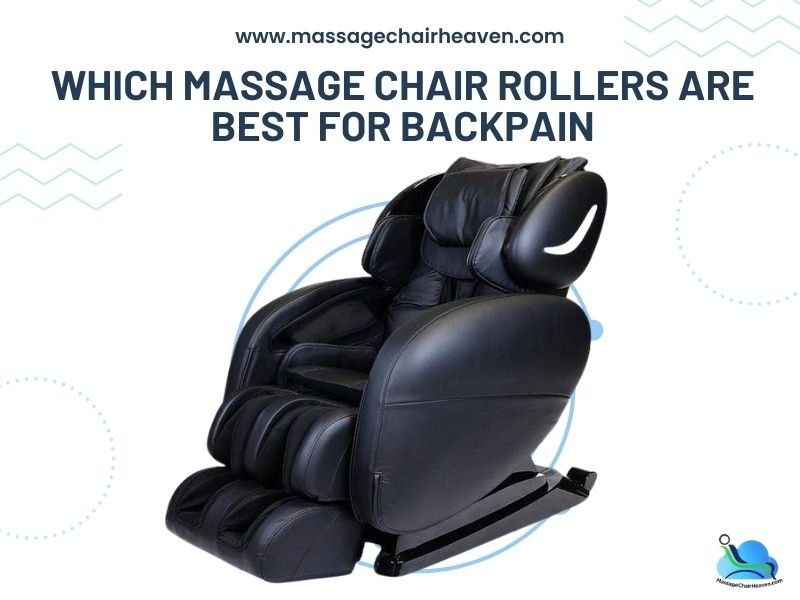
Massage chair rollers are the moving massage components that travel along a track inside the backrest. They create the pressure, kneading, tapping, rolling, and stretching sensations most people associate with a massage chair. Their design affects how deep the massage feels, which areas of the back they reach, and whether the chair fits your body comfortably.
A massage chair with rollers can target the neck, shoulders, upper back, lower back, and sometimes the glute area, depending on its track design. However, rollers do not work alone. Airbags, foot massagers, heat, recline position, and body-scanning technology all influence the final experience.
Understanding roller types, movement patterns, and coverage makes it easier to compare chairs beyond marketing labels. A higher-numbered roller system is not automatically better; the right choice depends on your height, preferred massage intensity, sensitive areas, and the parts of the body you want the chair to address.
What Massage Chair Rollers Do
Massage chair rollers are mechanical nodes that move behind the chair’s upholstery. Most systems use two roller heads mounted on a movable carriage. The rollers follow a vertical track in the backrest, applying pressure to the muscles alongside the spine rather than directly onto the spine itself.
During an automatic massage program, the chair may first scan the user’s back to estimate shoulder position and body shape. The rollers then move to selected zones and perform programmed techniques such as kneading, tapping, rolling, or combinations of these movements.
Rollers are primarily responsible for back massage. Other areas are usually handled by separate components:
- Airbags or air cells compress the shoulders, arms, hips, calves, and feet.
- Foot rollers work on the soles of the feet in models that include them.
- Heating elements add warmth to selected areas, often the lumbar region or calves.
- Stretch programs combine recline, airbags, and roller movement to create a gentle traction-like sensation.
This distinction matters when comparing features. A chair may advertise full-body massage, but its main back rollers generally cannot reach the arms, calves, or feet without supporting air or roller systems in those areas.
The Main Types of Massage Chair Roller Systems
Roller systems are commonly described as 2D, 3D, 4D, or occasionally 5D. These labels can be useful shorthand, but they are not universal industry standards. Manufacturers may use them differently, so it is more important to check what movements and adjustments the chair actually provides.
2D Rollers
2D rollers move in two basic directions: up and down the back and side to side across the back. This allows them to follow the spine vertically while also adjusting their width around the shoulders and back.
A 2D system can provide a satisfying massage, particularly for users who prefer a lighter or more traditional roller feel. Its main limitation is that it usually has less control over depth. The rollers remain relatively close to the backrest, so they may not create as much pressure for users who want deeper work in the upper back or lumbar area.
3D Rollers
3D massage chair rollers add forward-and-back movement. In practical terms, they can extend farther outward from the track toward the user’s body and retract when less pressure is needed.
This added depth adjustment gives users more control over intensity. A 3D chair may be a better fit for people who want a deeper massage around the shoulder blades, upper back, or lower back, provided the chair also has a suitable intensity setting.
Depth is often adjustable in several levels. More extension does not necessarily mean better massage quality. If the rollers extend too far for your comfort or body shape, the session can feel overly sharp or forceful. The ability to reduce roller depth is just as valuable as maximum depth.
4D Rollers
4D rollers generally build on 3D movement by varying the speed and rhythm of the roller strokes. Instead of moving at one consistent pace, they can slow down, pause, accelerate, or change timing during kneading and tapping programs.
The goal is a less repetitive feel. For example, a 4D program may use slower, more deliberate kneading in one area before switching to quicker tapping or alternating pressure elsewhere. This can feel more nuanced than a standard fixed-speed sequence.
Still, “4D” does not guarantee a specific level of realism or comfort. Compare the available speed settings, depth control, massage techniques, and body scan accuracy rather than relying on the label alone.
5D and Other Marketing Terms
Some brands use terms such as 5D, 6D, or AI massage systems. These descriptions may refer to added programming, variable intensity, sensors, wider movement, or adaptive controls. They do not represent a standardized mechanical category across all brands.
When you see a higher-dimensional label, look for a plain-language explanation of what the chair changes during a massage. Useful questions include:
- Can the rollers adjust their depth?
- Can you control roller width?
- Does the chair vary speed and rhythm?
- Can you move the rollers to a specific sore or tight area?
- Does the body scan allow manual shoulder-position adjustment?
How Roller Movement Creates Different Massage Techniques
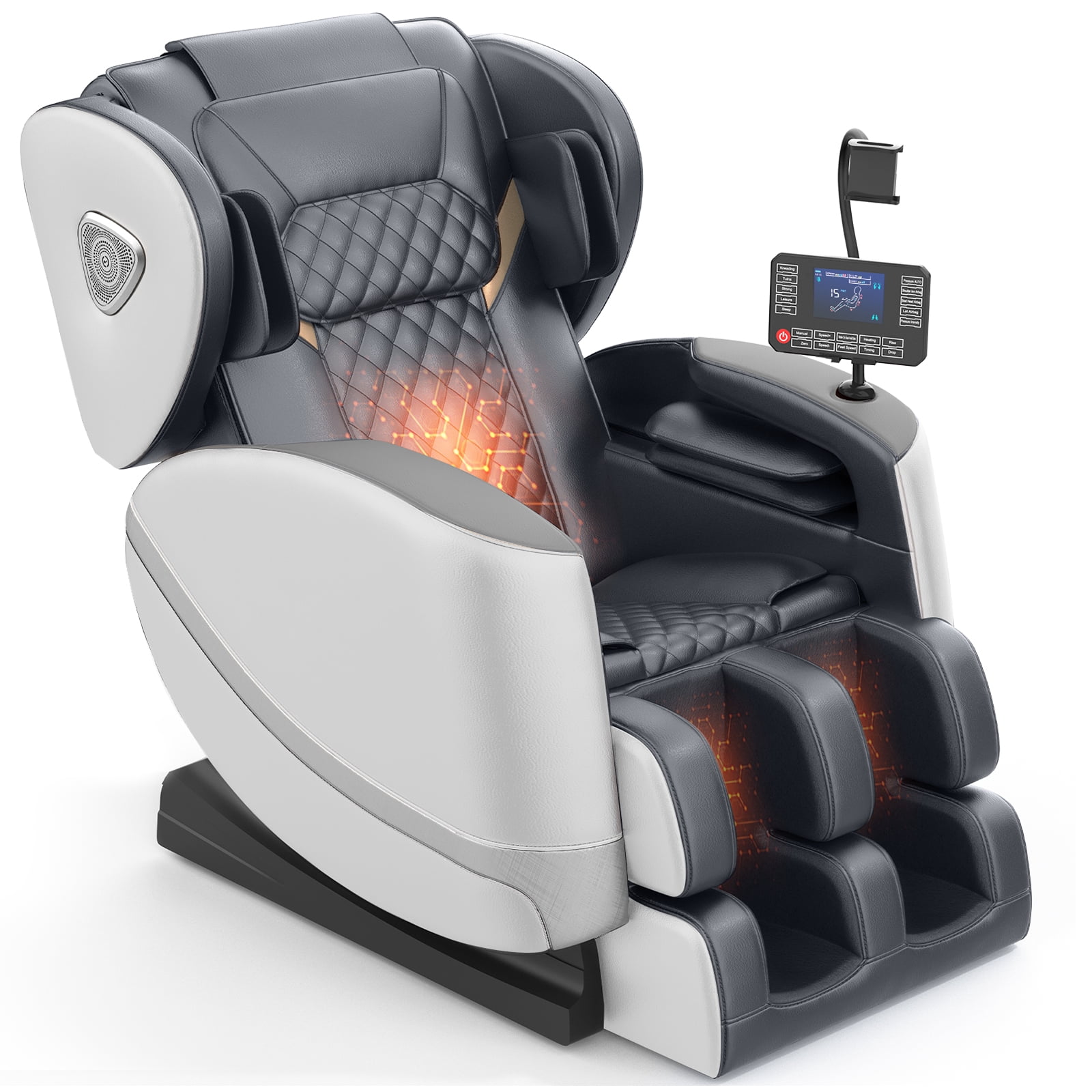
A massage chair can use the same roller hardware in different ways. The motor programming determines how the rollers move, how much pressure they apply, how wide they spread, and how long they stay in one location.
Credit: walmart.com
Rolling
Rolling is one of the simplest movements. The rollers travel slowly up and down the back in a continuous path, usually on both sides of the spine. It often feels gentler than kneading or tapping and can work well as a warm-up or cool-down setting.
Because rolling is broad and steady, it may be a comfortable option for people who find focused pressure too intense. It is also commonly used alongside heat or a reclined position for a more relaxing session.
Kneading
Kneading uses circular, alternating, or lifting motions intended to mimic the feel of hands working into muscle tissue. The rollers may move inward and outward while changing width or depth.
This technique is often used around the upper back and lumbar area. A good kneading program should feel controlled rather than pinching. If it feels too narrow across your shoulders or too aggressive near the spine, adjust the roller width, intensity, shoulder position, or depth if those controls are available.
Tapping and Percussion
Tapping, sometimes called percussion, uses quick rhythmic movements. It can feel like light drumming or repeated pulses across the back. Depending on the chair, tapping may be gentle and relaxing or firmer and more invigorating.
Many programs combine tapping with kneading. This is often called knead-and-tap, and it produces a more varied sensation than either technique alone.
Shiatsu-Style Pressure
“Shiatsu” on a massage chair usually refers to focused, rhythmic pressure delivered by rollers. It does not mean the chair can precisely reproduce a hands-on professional treatment. The sensation may include slower pressing, targeted pauses, and deeper roller extension in specific back zones.
Users who prefer this style should look for adjustable depth and manual spot massage controls. These features allow more control than a preset program that moves quickly over every area.
Spot and Partial Massage
Spot massage keeps the rollers in one small area. Partial massage limits roller movement to a shorter section of the back, such as the upper back or lumbar region. Both functions are useful when one area needs attention and you do not want to run a full program.
A chair with manual roller positioning can be especially helpful for this purpose. You can often move the rollers up or down in small increments, then select a technique and intensity that feels comfortable.
Understanding Roller Tracks and Body Coverage
The roller track is the guide rail that determines how far the rollers can travel. Track length has a major effect on body coverage, but a longer track is only useful if it matches your needs and body proportions.
| Track type | Typical roller path | Best known for | Potential limitation |
|---|---|---|---|
| S-Track | Follows the natural curve of the spine | Neck, shoulders, upper back, and lumbar support | Usually stops around the lower back or upper glutes |
| L-Track | Runs down the back and continues under the seat | Extended coverage into the glutes and upper hamstrings | May not follow spinal curves as closely in every design |
| SL-Track | Combines a curved back section with an extended lower track | Spinal contouring plus lower-body coverage | Actual reach and comfort vary by chair design |
| J-Track | Extends from the back into the seat with a curved lower path | Back and glute massage in some premium designs | The name is not used consistently by all manufacturers |
S-Track Coverage
An S-track is shaped to follow the natural curve of the spine. It usually begins near the neck and shoulders, moves through the thoracic spine area of the upper back, and continues into the lumbar region.
This design can provide a close-fitting massage because the rollers are intended to remain near the body as the back curves inward and outward. S-track chairs are often a sensible choice for people whose priority is upper-back, shoulder, and lower-back massage rather than glute coverage.
L-Track Coverage
An L-track continues past the lower back and into the seat. This allows the main massage chair rollers to reach the glutes and, in some chairs, the upper hamstring area.
The added lower-body coverage can be appealing for people who sit for long periods or simply want a broader massage path. However, roller coverage under the seat is not the same as a dedicated hamstring or calf massage system. Check where the track actually ends instead of assuming that an L-track reaches the entire leg.
SL-Track Coverage
An SL-track typically combines the spine-following shape of an S-track with the longer reach of an L-track. It is one of the most common descriptions for chairs designed to massage from the neck or shoulders down to the glutes.
This can offer versatile coverage, but comfort still depends on the chair’s body scan, padding, roller depth, and dimensions. A long track cannot compensate for poor shoulder alignment or rollers that do not match the user’s back length.
Where Rollers Can and Cannot Reach
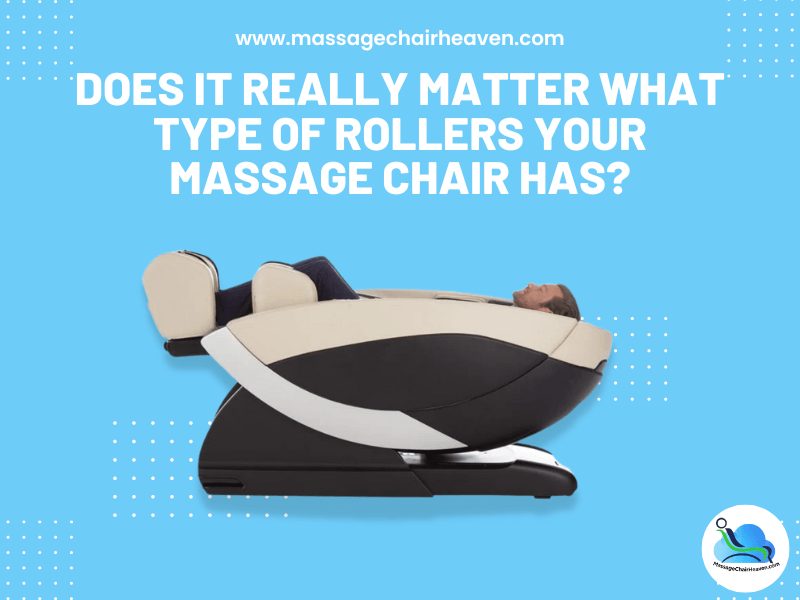
The phrase “full-body massage” can create unrealistic expectations. Back rollers generally provide the strongest direct massage from the upper back through the lower back, and extended tracks may include the glutes. They do not normally massage every muscle in the body.
Credit: massagechairheaven.com
Neck and Shoulder Area
Many chairs begin roller travel near the base of the neck and upper shoulders. The best result depends heavily on shoulder detection. If the rollers stop too low, they may miss the upper trapezius area. If they start too high, they can feel uncomfortable near the neck.
Manual shoulder-height adjustment is an important feature, particularly for users who are taller, shorter, or outside the chair’s recommended height range.
Upper and Mid-Back
The upper and mid-back are usually the strongest areas for roller-based massage. The rollers can knead, tap, and roll along the muscles beside the spine and around the shoulder blade region.
People with pronounced shoulder blades, a lean build, or sensitivity around the upper back may prefer lower intensity, extra padding, or reduced 3D depth. More pressure is not always more comfortable.
Lumbar Area
Most roller tracks cover the lumbar area, but the quality of the massage depends on how closely the rollers follow the curve of the lower back. An S-track or SL-track may provide a more consistent fit here than a flatter design.
Lumbar heat can make this area feel more comfortable during a session, but heat and massage should be viewed as comfort features rather than treatment for an injury or medical condition.
Glutes and Upper Hamstrings
L-track and SL-track chairs can extend roller massage into the glutes. This is one of the clearest functional differences between a short back track and an extended track.
Coverage varies widely. Some chairs provide focused glute rolling, while others offer a lighter sensation under the seat. The upper hamstrings may receive limited contact, but deep leg massage usually comes from airbags, vibration, or dedicated mechanisms rather than the main back rollers.
Body Scanning and Why Fit Matters
Body scanning helps the chair position its rollers according to the user’s shoulder height, back length, and body contours. Depending on the model, scanning may use pressure sensors, roller detection, or other built-in systems to estimate where the massage should begin and end.
A body scan improves convenience, but it is not perfect. Hair volume, thick clothing, recline angle, posture, and unusual body proportions can affect the result. The best massage chairs allow users to fine-tune the detected shoulder position before starting a program.
Fit matters as much as roller technology. Before choosing a massage chair with rollers, review the manufacturer’s stated user height range and consider:
- Whether your shoulders align with the top of the roller path.
- Whether your head rests naturally against the headrest.
- Whether the seat depth feels supportive without pressing behind the knees.
- Whether the footrest can accommodate your leg length.
- Whether the rollers feel centered on the muscles beside your spine.
A chair that is too large or too small may still operate normally, but its rollers may work in the wrong places. Proper fit is often more important than choosing the highest advertised roller category.
How to Compare Roller Performance Before Buying
When evaluating massage chair rollers, focus on controls and coverage rather than promotional wording. A chair with fewer headline features but better adjustment options may provide a more usable experience than a model with an impressive label and limited customization.
Look for Useful Adjustments
The most practical roller controls include:
- Intensity adjustment: Changes the overall firmness of the massage.
- Depth adjustment: Especially relevant for 3D and 4D systems.
- Width adjustment: Helps match the rollers to broad or narrow shoulders.
- Speed adjustment: Lets you choose slower or faster tapping and kneading.
- Manual roller positioning: Lets you move the rollers to a specific area.
- Spot and partial programs: Useful for focused sessions.
Consider Your Preferred Massage Style
Choose roller features based on what you enjoy, not simply what sounds advanced. A lighter massage preference may be well served by a comfortable 2D or low-depth 3D system. Someone who wants stronger upper-back pressure may value adjustable 3D depth, provided the chair has enough padding and intensity control.
For a more varied, less mechanical rhythm, 4D-style speed variation can be worthwhile. For lower-body coverage, an L-track or SL-track may matter more than whether the chair uses a 3D or 4D label.
Do Not Overlook Upholstery and Padding
The rollers never contact the body directly; upholstery, foam, and removable pads sit between the mechanism and the user. These layers significantly change how a massage feels.
Thicker padding can soften a firm roller system, while thinner padding can make the massage feel more direct. Some chairs include removable head or back pads, allowing users to alter the intensity without changing the mechanical settings. This can be useful in households where different people prefer different pressure levels.
Using Rollers Comfortably and Safely
Start with a gentle program, particularly if you are new to massage chairs or trying a chair for the first time. Allow the body scan to finish, check shoulder position, and use the lowest comfortable intensity before increasing depth or speed.
Avoid trying to force a deep massage through pain. Sharp, tingling, numb, or worsening discomfort is a sign to stop the session and change the settings. If you have a medical condition, recent injury, implanted medical device, pregnancy, circulation concern, or persistent pain, consult an appropriate healthcare professional before using a massage chair. Follow the manufacturer’s safety guidance as well.
Rollers also need basic care. Keep the chair clean, avoid spilling liquids into seams or controls, and inspect the upholstery and power cord periodically. If rollers make unusual grinding noises, stop moving, or feel uneven, discontinue use and contact the manufacturer or a qualified service provider rather than attempting internal repairs.
Credit: massagechairheaven.com
Frequently Asked Questions
Are 3D rollers always better than 2D rollers?
No. 3D rollers provide adjustable forward-and-back depth, which can create a stronger and more customizable massage. However, a well-designed 2D chair may be more comfortable for users who prefer gentler pressure, simpler controls, or a less intense massage.
Do massage chair rollers massage the spine directly?
They are designed to work alongside the spine, where many back muscles are located. The rollers move on either side of the spinal column and should not create painful direct pressure on the vertebrae. Correct body positioning and shoulder adjustment help keep the massage aligned.
Can roller depth be reduced if the massage feels too strong?
On chairs with 3D or similar adjustable systems, depth can often be reduced through the remote or control panel. You may also be able to lower intensity, add or retain a back pad, select rolling instead of tapping, or choose a gentler program.
Why do the rollers miss my shoulders?
The body scan may have detected your shoulder height incorrectly, or the chair may not suit your height and torso length. Check for manual shoulder-position controls and adjust before restarting the program. Sitting fully back in the chair and avoiding bulky clothing can also improve alignment.
How long do massage chair roller mechanisms usually last?
Longevity depends on motor quality, construction, user weight, frequency of use, maintenance, and whether the chair is used within its stated limits. Rather than relying on a general lifespan estimate, review the manufacturer’s warranty terms, service availability, and replacement-parts support before purchasing.