
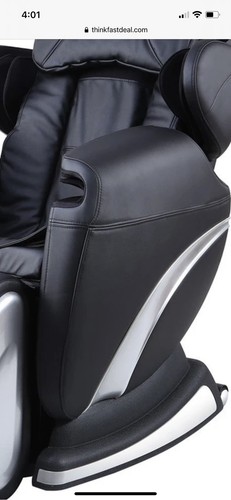
Real Relax massage chair parts are not universally interchangeable, even when two chairs look similar or share a brand name. The correct replacement depends on the chair’s exact model, production version, connector type, voltage, mounting points, and control-system design. Ordering by appearance alone is one of the fastest ways to buy a part that will not fit.
Most repairable problems involve the remote control, power components, airbags, hoses, rollers, heating pads, or small electrical connections. Before replacing anything, identify the failed component and confirm its part number or specifications against the label on the chair and the original part.
This guide explains which Real Relax massage chair parts are commonly replaceable, what tends to fail, how to check compatibility, and when a repair should be left to an authorized technician. Massage chairs contain moving mechanisms, compressed-air systems, and mains-powered electronics, so careful diagnosis matters.
Why Massage Chair Parts Must Match the Exact Model
A massage chair is a connected system rather than a collection of generic accessories. The controller communicates with the main circuit board, the circuit board powers motors and valves, and the chair’s programming expects specific sensors and components. A part that physically fits may still be electrically or electronically incompatible.
For example, a handheld remote from one Real Relax chair may use a different plug, wire arrangement, screen protocol, or program layout than a remote from another model. Likewise, an air pump may have the same general shape but deliver a different pressure range, use a different connector, or mount differently inside the chair.
Before buying Real Relax massage chair parts, collect as much identifying information as possible:
- The full model name and model number from the chair label
- The serial number, if available
- Photos of the failed part from several angles
- Clear images of plugs, sockets, wire colors, labels, and mounting holes
- The chair’s voltage and power information from its rating label
- A description of the fault, including when it occurs
- The original part number printed on the component or packaging
Model names used in retailer listings can be incomplete or change over time. The label attached to the chair frame, base, rear cover, or power area is usually more useful than a marketplace listing title.
Common Real Relax Massage Chair Parts and Their Compatibility Risks
Some parts are easier to replace than others. External accessories and simple trim pieces may be straightforward when they are model-matched. Internal electrical and mechanical parts require more caution.
| Part category | Typical symptoms | What must match | DIY suitability |
|---|---|---|---|
| Handheld remote or control panel | No display, unresponsive buttons, damaged cable | Model, connector, wire configuration, software compatibility | Often manageable if it is an external plug-in part |
| Power cord, fuse, switch, or power inlet | Chair will not power on or loses power | Voltage rating, fuse type, wiring layout, safety rating | Professional help is preferred for internal electrical work |
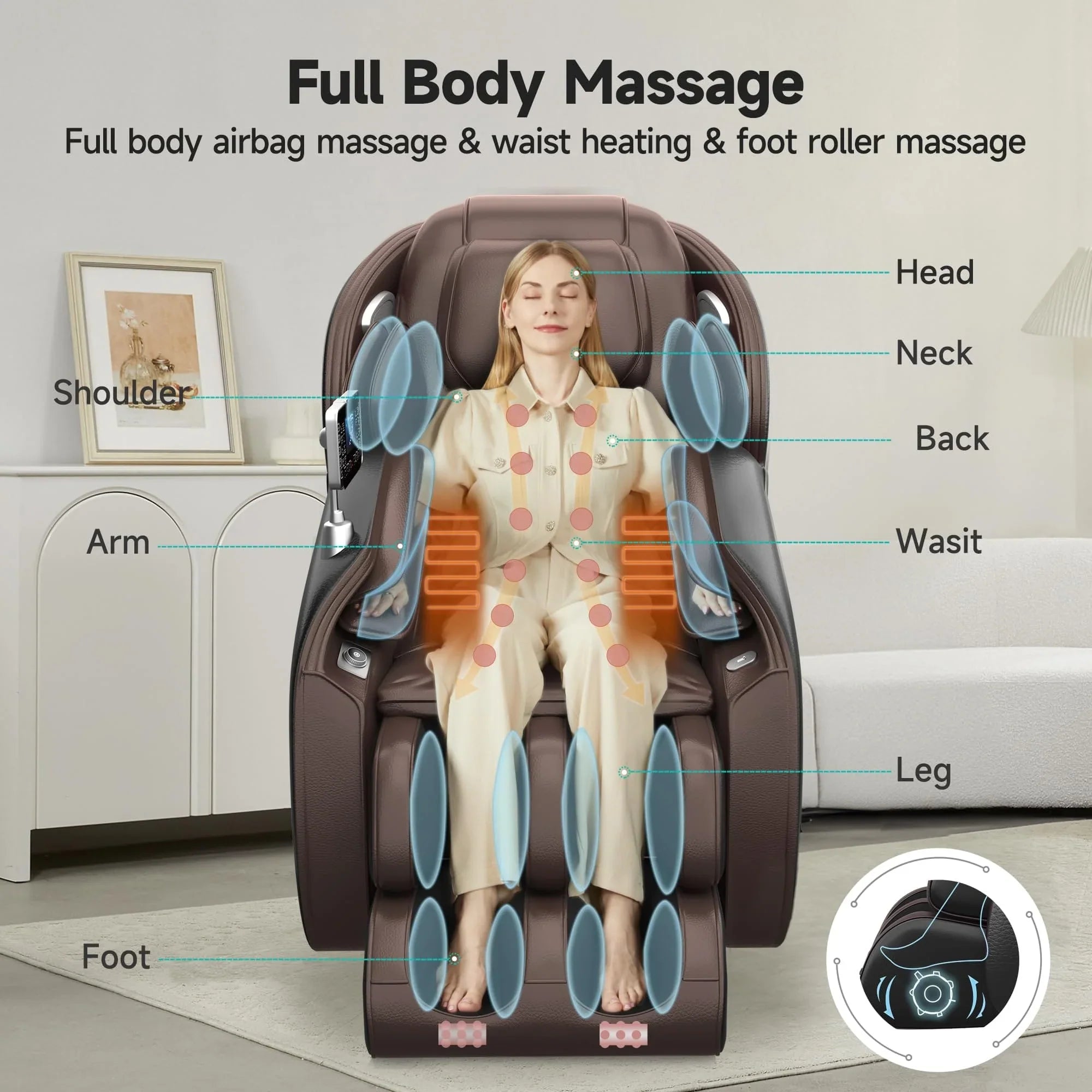
| Air hose or connector | One airbag does not inflate, hissing, weak compression | Hose diameter, connector style, routing, airbag location | Possible for careful owners |
| Airbag or air cell | Leaks, uneven inflation, torn material | Shape, size, mounting tabs, hose port position | Moderate difficulty |
| Air pump or solenoid valve | Multiple airbags fail, no inflation, unusual pump noise | Voltage, airflow, pressure, connector, mounting, control signal | Usually technician-level |
| Massage motor, roller assembly, or track components | Grinding, stuck rollers, incomplete travel, clicking | Mechanical dimensions, sensors, gearing, wiring, control board compatibility | Usually technician-level |
| Heating pad or heater wiring | No heat, intermittent heat, error or shutdown | Voltage, thermal protection, placement, plug type | Professional help recommended |
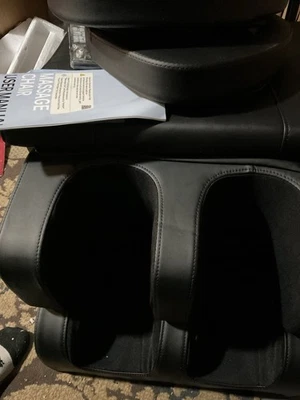
| Upholstery, zipper cover, pillow, or pad | Wear, tears, flattened cushioning, cosmetic damage | Dimensions, attachment method, color, cutouts | Often manageable |
What Usually Fails First
Failure patterns vary by how often the chair is used, how it is moved, room conditions, and whether it receives basic cleaning. Still, certain components are exposed to more stress than others.
Remote controls and control cables
The remote is handled during every session, and its cable can be pulled, pinched, bent sharply, or trapped between moving sections of the chair. Common signs include a blank display, buttons that work only intermittently, a remote that works when the cable is held in a certain position, or a chair that powers on but will not start a program.
Do not assume the remote itself is the problem. A loose connector, damaged control-board socket, or failed power supply can produce similar symptoms. Inspect the cable and plug first, then confirm whether the chair receives power and whether any lights or indicators are active.
Air hoses, fittings, and airbags
Air compression systems use flexible hoses and inflatable cells in areas such as the arms, calves, feet, seat, and sides. Hoses can split near connectors, slip off a fitting, or become pinched during repeated reclining. Airbags can eventually leak at seams or connection points.
A single weak zone often points to a local hose, connector, or airbag problem. If several zones fail at once, the issue may instead involve the pump, valve block, wiring, or control board.
Upholstery and removable comfort layers
Head pillows, seat pads, leg-area covers, and synthetic leather surfaces receive regular contact from clothing, skin oils, pets, and sunlight. These parts may crack, peel, tear, flatten, or lose their original appearance before the chair’s internal mechanism fails.
Cosmetic parts are sometimes repairable with a compatible cover or carefully chosen upholstery repair method. However, avoid covering moving joints, air vents, zipper openings, or pressure-sensitive areas with thick material that could restrict movement.
Power-related components
If a chair does not turn on, the problem may be as simple as an unplugged cable, switched-off power strip, or tripped household circuit. It can also involve a damaged cord, failed switch, blown fuse, power supply fault, internal wiring problem, or control-board issue.
Power faults deserve extra care. Replacing an incorrect fuse, bypassing a safety device, or using a cable not designed for the chair can create a shock or fire risk. If there is a burning smell, heat near the plug, visible wire damage, repeated fuse failure, or a breaker that trips when the chair runs, stop using it and arrange qualified service.
Roller mechanisms, motors, and sensors
Rollers travel along a track and rely on motors, gears, belts, position sensors, and control signals. Grinding, loud clicking, jerky movement, rollers stopping in one location, or a back mechanism that will not return to its resting position may indicate a mechanical or electrical fault.
These parts are difficult to diagnose from the outside. A noise that seems to come from the rollers may actually come from a loose cover, a misrouted cable, a motor gear, or an obstructed linkage. Internal mechanism replacement often requires partial disassembly, careful cable routing, and recalibration or position checks.
How to Confirm a Replacement Part Will Fit
The safest approach is to treat compatibility as a verification process, not a guess. A listing that says a part is “for massage chairs” does not establish that it is suitable for a particular Real Relax model.
- Find the chair identification label. Record the full model number and electrical rating exactly as shown.
- Locate the part label. Check the old remote, pump, motor, power supply, valve block, or circuit board for a printed code, voltage marking, and connector information.
- Compare the connection. Count pins, inspect plug shape, note locking tabs, and compare wire positions. Do not rely only on the outside shape of the connector.
- Compare physical mounting. Check screw-hole placement, bracket shape, hose-port direction, cable length, and clearance around moving parts.
- Confirm electrical specifications. Voltage, current, polarity, fuse rating, and motor type must be appropriate for the original design.
- Ask for written confirmation. When purchasing from manufacturer support, a service provider, or a parts seller, provide photos and request confirmation that the part matches your exact model.
For circuit boards, remotes, motors, and pumps, a printed part number is especially valuable. If no number is visible, the seller should be able to explain what model or revision the replacement supports. Vague promises of “universal fit” are not enough for critical electronic components.
Credit: realrelaxmall.com
Where to Source Real Relax Massage Chair Parts
The best source is usually the brand’s customer support or the retailer that supplied the chair, particularly if the chair is still covered by a warranty. They may be able to identify the correct component from the model and serial information, provide installation guidance, or refer you to a repair option.
If the original source cannot supply the part, use a specialist massage chair parts supplier or qualified repair service that can verify compatibility. For used or discontinued parts, inspect listings carefully and ask for detailed photographs of labels and connectors before purchasing.
Be cautious with marketplace listings that use broad phrases such as “fits most massage chairs.” A generic accessory can be acceptable for non-electrical items such as a removable pillow or a compatible cover, but it is a poor basis for selecting a remote, board, pump, heater, motor, or power component.
Safe Replacement Steps for Simple Parts
Owners can often replace an external remote, removable cushion, accessible air hose, or simple cosmetic piece when the correct part is available. The procedure varies by model, but these basic precautions reduce the chance of further damage.
- Turn the chair off and unplug it. Disconnect it from the wall outlet before opening covers or disconnecting any plug.
- Move the chair to a clear, well-lit area. Leave enough space to recline it safely if access to the back or underside is required.
- Photograph the original installation. Take close photos of wire routing, hose paths, screws, clips, and connector positions before removing anything.
- Remove only the necessary cover. Keep screws organized and avoid forcing plastic panels, snaps, or upholstery fasteners.
- Disconnect by the connector body. Do not pull on wires or hoses. Release locking tabs gently before separating plugs.
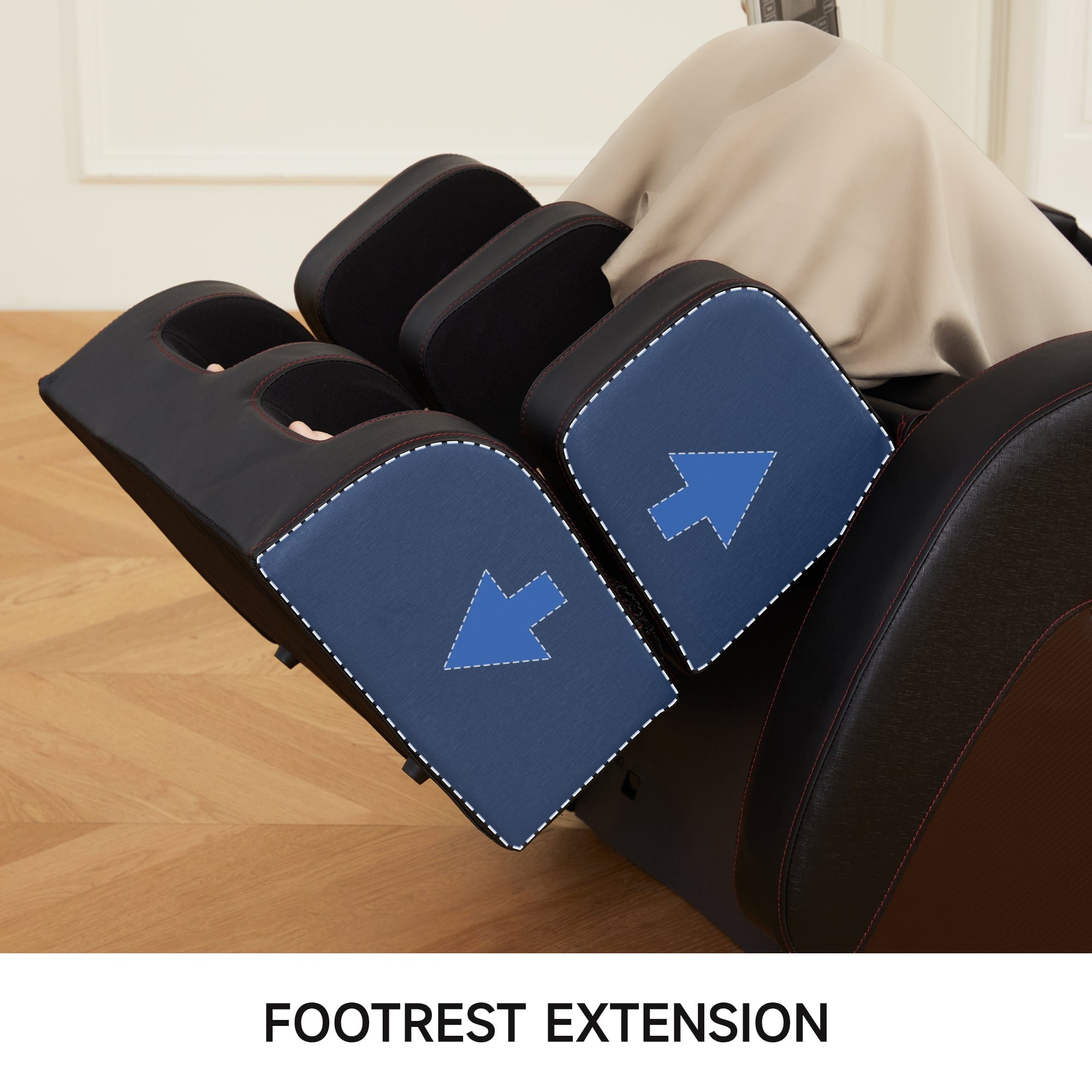
- Install the replacement without pinching cables or hoses. Follow the original path and keep lines clear of rollers, hinges, reclining joints, and footrest mechanisms.
- Reassemble before powering on. Make sure covers, screws, and cable guards are back in place.
- Test one function at a time. Check power, remote response, recline, rollers, airbags, and heat separately while listening for unusual sounds.
Stop immediately if the chair produces a burning smell, sparks, smoke, repeated clicking from electrical components, sudden uncontrolled movement, or unusual heat. Unplug it rather than attempting to continue testing.
Credit: ebay.com
When a Repair Is Not a Good DIY Project
Some repairs are possible in theory but are not sensible without training, technical documentation, and the right tools. Internal electronics and moving mechanisms can cause further damage if installed incorrectly.
Use a qualified technician or manufacturer-approved service route when the issue involves:
- The main control board, power supply, transformer, or internal fuse holder
- A heater, heating pad, temperature sensor, or thermal cutoff
- The roller track, massage motor, gear assembly, or reclining motor
- An air pump, solenoid valve block, or multiple failed compression zones
- Damaged internal wiring, melted connectors, or signs of moisture damage
- A chair that is under warranty and could lose coverage if opened
- A heavy chair section that requires lifting or stabilizing during repair
Massage chairs are heavy and can move unexpectedly when reclining or extending the footrest. Never work beneath an unsupported chair section, and do not allow children or pets near the chair while it is being inspected or tested.
Common Mistakes That Make Repairs More Expensive
Replacing parts before diagnosing the fault
A nonresponsive chair can be caused by a wall outlet, power cord, remote, fuse, loose connector, or circuit board. Buying a remote before checking the basics may not solve anything. Start with the simplest external checks and work inward only when necessary.
Using an electrical part with a “close enough” rating
Voltage, polarity, current capacity, connector layout, and safety protection are not optional details. A similar-looking adapter, heater, motor, or power board may damage the chair or create a safety hazard. Match the original component specifications exactly unless the manufacturer specifically approves an alternative.
Ignoring cable and hose routing
A newly installed part can fail quickly if its wire or air hose is routed across a hinge, roller path, footrest linkage, or sharp edge. Recreate the original routing and secure lines with the correct clips or guides where applicable.
Forcing plugs, trim, or upholstery fasteners
Connectors should seat with normal pressure when aligned correctly. If a plug will not fit, stop and compare it again. Forcing it can bend pins, crack a socket, or break a locking tab. The same principle applies to covers and trim panels.
Delaying repairs after a leak or abnormal noise appears
A small air leak may make the pump work harder, while an unusual mechanical noise may indicate a loose component or developing obstruction. Continued use can turn a smaller repair into a more complex one. Disconnect the chair and investigate early if the symptoms are new or worsening.
Maintenance That Helps Parts Last Longer
Routine care cannot prevent every failure, but it can reduce avoidable wear. Keep the chair on a stable, dry surface and leave enough clearance behind and around it for reclining. Do not place it where cables are easily stepped on, crushed by furniture, or pulled taut.
- Wipe upholstery with a soft cloth and use cleaning products only if they are suitable for the chair’s material.
- Keep liquids away from the remote, controls, seat seams, and power connections.
- Check the power cord and remote cable periodically for fraying, crushing, or sharp bends.
- Listen for new hissing, grinding, rattling, or clicking sounds during use.
- Do not exceed the chair’s stated user limits or use it for activities it was not designed to support.
- Avoid blocking ventilation openings or packing blankets and cushions around mechanical sections.
- Use the chair on an appropriate electrical outlet and avoid overloaded extension arrangements.
A massage chair is designed for comfort and relaxation, not medical diagnosis or treatment. If pain, numbness, dizziness, or discomfort occurs during use, stop the session and seek medical advice when appropriate rather than trying to solve the problem by increasing intensity or modifying chair components.
Credit: realrelaxmassage.com
FAQ
Can I use a universal massage chair remote with a Real Relax chair?
Usually not. A universal-looking remote may have a different connector, wiring pattern, communication protocol, or program layout. Use a remote confirmed for the exact chair model and revision whenever possible.
How can I tell whether an airbag is leaking or the pump has failed?
A leak often affects one area and may produce a faint hissing sound or weak inflation in a single chamber. A pump or valve problem may affect several air zones. Access limitations and internal routing can make the diagnosis difficult, so professional service is sensible when multiple zones are affected.
Is it safe to replace a blown massage chair fuse myself?
Only replace a fuse if the chair documentation identifies the correct type and rating, and there is no sign of overheating or wiring damage. Never install a higher-rated fuse or bypass the fuse holder. If the replacement fuse blows again, stop using the chair and have the electrical system inspected.
What information should I send when requesting a replacement part?
Send the chair model number, serial number, a photo of the rating label, photos of the old part and its connectors, and a concise description of the problem. If possible, include a photo of the part number printed on the component.
Is repairing an older massage chair worth it?
It depends on the failed part, overall chair condition, parts availability, and repair cost. Replacing an external remote, hose, or cushion may be practical, while major work involving the roller mechanism, control board, or multiple internal systems can be harder to justify on a heavily worn chair.