
Human Touch massage chair repair usually starts with a simple question: is the problem caused by power, controls, chair position, or an internal mechanical component? Many apparent failures are caused by a loose connection, a tripped outlet, a remote issue, or a safety feature that prevents the chair from operating in an unsafe position.
Before removing panels or ordering parts, identify the chair’s exact model and confirm the symptom. Human Touch has produced many massage chairs with different remotes, roller systems, air-cell layouts, and recline mechanisms, so a repair procedure that applies to one model may not apply to another.
This guide explains common faults, safe troubleshooting steps, and the point at which professional Human Touch massage chair repair is the better option. It applies to powered massage chairs generally, but always follow the instructions in the manual for your specific model.
Start With Safety and Basic Information
Massage chairs combine household electrical power with moving motors, gears, rollers, airbags, and reclining frames. Unplug the chair before inspecting cables, opening covers, reconnecting internal plugs, or clearing an obstruction. Do not work on the chair while it is connected to power unless the manufacturer’s instructions specifically require a powered diagnostic step.
Gather the following information before troubleshooting:
- The model name and serial number from the product label.
- A clear description of the fault, including when it began and whether it is intermittent.
- Any display message, flashing lights, beeps, or unusual sounds.
- Which functions still work: power, recline, rollers, air massage, heat, speakers, or remote controls.
- Whether the chair was recently moved, assembled, cleaned, exposed to a power outage, or used by a person above its stated weight limit.
This information helps distinguish a chair-wide power issue from a fault limited to one feature. For example, a chair that powers on but will not recline has a very different likely cause than one with no lights, no display, and no response from the controller.
Common Massage Chair Problems and Their Likely Causes
| Symptom | Common Causes | First Safe Checks |
|---|---|---|
| Chair will not power on | Unplugged cord, switched-off power supply, tripped outlet, damaged cord, internal fuse or control-board fault | Test the outlet, inspect the cord, check the chair’s main power switch, perform a power reset |
| Remote or controller does not respond | Loose cable, damaged handset, depleted batteries on wireless models, software freeze, control-board issue | Reconnect the controller, inspect cable routing, reset the chair, test another program if available |
| Rollers do not move or stop mid-program | Obstruction, overloaded mechanism, damaged track, motor or sensor fault, wiring problem | Stop use, power cycle, check for visible obstructions, avoid forcing the rollers by hand |
| Recline or footrest will not move | Blocked travel path, loose actuator connection, motor fault, damaged linkage, safety limit issue | Clear the area around the chair, confirm adequate wall clearance, reset power |
| Airbags do not inflate | Disconnected air hose, leaking air cell, weak pump, valve fault, control issue | Listen for pump operation, look for pinched hoses if accessible, check whether other air zones work |
| Chair makes clicking, grinding, or squealing sounds | Loose hardware, worn gear, misaligned track, foreign object, failing motor or actuator | Stop the affected function and inspect externally; do not continue operating through grinding |
| Heat does not work | Program setting, disconnected heating pad, failed heating element, thermostat or control fault | Confirm heat is enabled and allow time for gentle warming; discontinue use if overheating occurs |
Power Problems: The First Area to Rule Out
A chair that appears completely dead does not always need an internal repair. Start at the wall outlet and work toward the chair. Avoid assuming the chair itself is faulty until you have checked the power source.
Check the outlet and power connection
- Plug a known working device into the same outlet to verify that the outlet has power.
- Check whether a ground-fault circuit interrupter outlet or circuit breaker has tripped.
- Make sure the chair’s power cord is fully seated in the chair and wall outlet.
- Locate the chair’s main power switch, which is commonly near the rear or lower base, and make sure it is in the on position.
- Inspect the exposed power cord for cuts, crushing, melted areas, or damage from being pinched under the chair.
Do not use a damaged power cord, loose outlet, or improvised extension arrangement. A massage chair draws more power than many small electronic devices, especially when motors and heat functions operate together. If the chair’s plug, cord, or outlet becomes hot, disconnect power and have the electrical issue assessed before using it again.
Perform a simple power reset
A reset can clear a temporary electronic fault after a surge, interrupted program, or controller freeze. Turn off the main power switch, unplug the chair, and wait several minutes before reconnecting it. Then plug it directly into a suitable wall outlet, switch it on, and test a basic manual function.
If the chair repeatedly loses power, trips a breaker, emits a burning smell, or shows signs of overheating, stop troubleshooting. Those symptoms can indicate a wiring, motor, power-supply, or circuit-board problem that requires qualified service.
Remote Control and Control Panel Troubleshooting
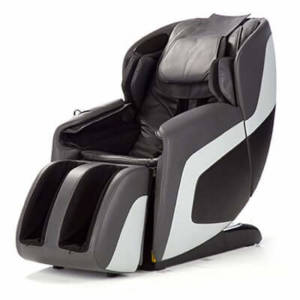
When the chair has power but will not begin a massage, the controller is the next logical place to inspect. A wired remote may fail because of a damaged cable or loose connector. A wireless controller may need fresh batteries, re-pairing, or replacement depending on the design.
Credit: massagechairstore.com
Check a wired controller connection
Turn the chair off and unplug it first. Follow the controller cable to its connection point and look for a plug that has worked loose, a cable caught in a moving section of the frame, or visible wire damage. Reconnect a removable plug firmly without bending pins or forcing it into place.
Pay particular attention to areas near the seat base, armrest, and recline joints. A controller cord can be stretched or pinched when a chair is moved or reclined against a wall.
Look for a program or position conflict
Some chairs will not start a program until the legrest is in an acceptable position, the chair has completed its startup sequence, or the previous program has fully ended. Try these steps:
- Cancel the current massage program, if the controller offers a stop button.
- Return the chair to its upright or home position.
- Restart the chair with the main power switch.
- Test a manual roller or air-massage setting instead of an automatic program.
If a remote display lights up but commands do nothing, the problem may be in the signal path, control board, or a chair safety interlock rather than the display itself.
When the Rollers Stop, Stick, or Move Unevenly
The roller mechanism is one of the most complex parts of a massage chair. Depending on the model, it may travel along a track in the backrest and use sensors to determine position. A roller fault can involve the track, drive motor, belt or gear system, position sensor, wiring, or main controller.
Check for external obstructions first
Power off and unplug the chair. Inspect the backrest surface and the gap around the roller path for items that may have fallen into the chair, such as a remote accessory, coin, small toy, or loose piece of fabric. Also check whether the back cushion, head pillow, or removable pad is folded or attached incorrectly.
Do not press hard on stuck rollers, pull them along the track, or attempt to move the mechanism by force. That can damage gears or sensors and turn a repairable fault into a larger mechanical repair.
Recognize signs of an internal roller fault
Professional service is usually appropriate when the rollers:
- Make repeated grinding, loud clicking, or slipping noises.
- Move only in one direction or stop at the same point every time.
- Travel unevenly from side to side.
- Operate briefly and then shut down.
- Press unusually hard in one area despite normal intensity settings.
These symptoms may point to a worn drive component, misaligned mechanism, sensor error, or motor issue. The chair may need internal inspection and model-specific replacement parts.
Recline, Footrest, and Zero-Gravity Position Problems
Recline systems use motors or actuators connected to the chair frame. They can stop working when the travel path is blocked, the chair has insufficient room behind it, a connection comes loose, or an internal actuator or linkage wears out.
Clear the chair’s movement path
Remove objects behind, under, and in front of the chair. Footrests can be blocked by rugs, furniture, pet beds, cables, or uneven flooring. Rear-moving recline designs also need enough space from the wall; even space-saving designs need clearance for moving sections and ventilation.
If the chair was moved recently, make sure it sits level and that no wires, hoses, or fabric panels are trapped beneath the base. A chair positioned on a thick or loose rug can sometimes affect stable movement or conceal an obstruction.
Do not force a stalled recliner
If the backrest or legrest stops partway, avoid pushing it down or pulling it up with body weight. Recline linkages are designed to move in a specific path, and forcing them can bend brackets or overload the drive motor. A repeated clicking sound without movement often suggests that the motor is trying to operate but cannot complete its travel.
A service technician can inspect actuator mounts, pivot points, limit switches, wiring, and mechanical joints. If a replacement actuator is needed, the correct part must match the chair model and configuration.
Airbag and Air Compression Faults
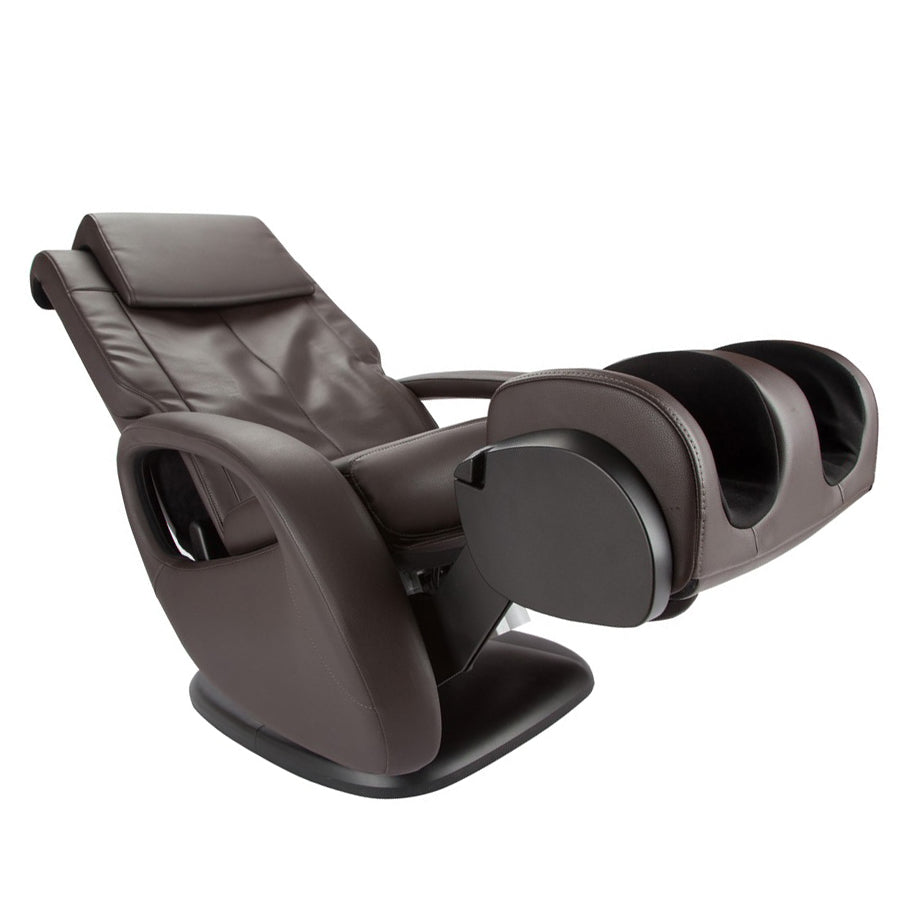
Air massage systems use a pump, valves, hoses, and inflatable air cells located in areas such as the shoulders, arms, hips, calves, or feet. Because these parts work as a system, the pattern of failure matters.
If no air zones inflate but the rollers work, the pump, power supply to the pump, valve assembly, or control board may be at fault. If only one side or one area fails, a disconnected hose, pinched line, leaking air cell, or individual valve issue is more likely.
Credit: themassagechair.com
Safe checks for weak or missing air massage
- Confirm that air massage is enabled in the selected program.
- Increase air intensity if the controller permits it.
- Listen for the pump during an air-massage cycle.
- Note whether the problem affects one zone, one side, or the entire chair.
- With power disconnected, inspect only easily accessible hoses for kinks, crushing, or disconnection.
Do not puncture upholstery or air cells to investigate a suspected leak. Internal hose routing can be difficult to access, and reassembly errors may create new problems. A technician can test the pump and isolate leaks without damaging the chair’s covers or fittings.
Heat, Speakers, and Other Electrical Features
Heat in a massage chair is intended to provide warmth and comfort, not medical treatment. It may feel subtle, particularly through clothing and upholstery. Check the controller setting and allow the feature time to activate before concluding that it has failed.
Stop using the heat function immediately if it becomes unusually hot, heats unevenly, creates a burning odor, or causes discomfort. Do not attempt to bypass a thermal control or replace a heating component with a non-approved part.
For speakers, charging ports, Bluetooth functions, or similar accessories, first verify the chair’s primary power and the settings on the connected device. These accessory faults do not always indicate a massage-system failure. However, multiple unrelated features failing at once can suggest a broader power or control-board issue.
When to Repair, Replace a Part, or Call for Service
The best Human Touch massage chair repair option depends on the chair’s age, condition, fault, parts availability, and whether it is covered by a warranty or service plan. Simple setup problems may be solved at home. Internal electrical and mechanical faults usually require professional diagnosis.
Problems that may be suitable for owner troubleshooting
- Restoring power after a tripped outlet or switched-off power button.
- Performing a power reset after a temporary controller freeze.
- Replacing batteries in a compatible wireless remote.
- Removing an external obstruction from the chair’s movement path.
- Reconnecting an accessible, clearly identified controller plug after following the manual.
Problems best handled by a qualified technician
- Burning smells, smoke, sparks, overheating, or repeated breaker trips.
- Damaged electrical cords, plugs, power supplies, or internal wiring.
- Grinding roller mechanisms, failed roller motors, or track alignment problems.
- Broken recline actuators, bent frames, or damaged legrest linkages.
- Air pump, valve, air-cell, or internal hose repairs.
- Control-board replacement, sensor faults, and persistent error messages.
Contact Human Touch support or an authorized service provider with the model and serial number before buying parts. Generic components may not fit, may not communicate correctly with the chair’s electronics, and could affect warranty coverage. If the chair is under warranty, unauthorized disassembly may also create complications.
How to Reduce Future Repair Needs
Routine care cannot prevent every failure, but it can reduce avoidable strain on a massage chair. Keep the chair in a dry indoor location, away from direct moisture and extreme heat. Use it on a stable, level surface and leave the recommended clearance around moving sections.
- Follow the manufacturer’s limits for user weight and intended use.
- Do not allow children to play on, inside, or beneath the chair.
- Keep pets, toys, cables, and small objects away from the footrest and recline path.
- Clean upholstery with products approved for its material; avoid soaking seams and electronics.
- Inspect the power cord occasionally, especially after moving the chair.
- Use surge protection only if it is appropriate for the chair’s electrical requirements and the manufacturer does not advise otherwise.
- Move the chair according to the manual rather than dragging it by the armrests, footrest, or remote holder.
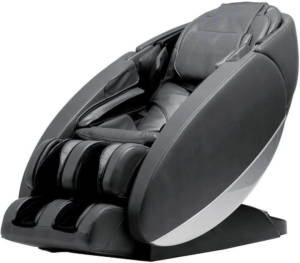
For a heavy chair, moving assistance is often worthwhile. Improper moves can strain the frame, pinch cables, disconnect air hoses, or damage wall-hugging mechanisms.
Credit: massagechairstore.com
Frequently Asked Questions
How do I find the right replacement part for my Human Touch massage chair?
Use the model and serial number from the chair’s product label when contacting Human Touch support or an authorized service provider. Part names can vary between chair generations, and visually similar remotes, motors, airbags, and control boards may not be interchangeable.
Can a massage chair be repaired if it is out of warranty?
Yes, many out-of-warranty chairs can be repaired if parts are available and the cost is reasonable relative to the chair’s condition. Request a diagnosis and estimate first, particularly for roller assemblies, recline mechanisms, pumps, and electronic boards.
Why does my chair work for a few minutes and then stop?
This can happen when a motor overheats, a sensor detects an abnormal position, a connection becomes intermittent, or an internal controller detects a fault. Let the chair cool, perform a power reset, and note which function triggers the shutdown. Repeated shutdowns need service.
Is it safe to use a massage chair with a torn upholstery cover?
A small surface tear may not immediately affect operation, but it can worsen and expose padding, moving parts, or wiring over time. Stop using the chair if the tear exposes electrical components, catches on rollers or hinges, or affects safe seating and support.
Should I repair an older massage chair or replace it?
Consider repair when the chair is otherwise comfortable, structurally sound, and supported by available parts. Replacement may make more sense when there are several major faults, parts are discontinued, the frame is damaged, or the repair estimate approaches the value of a newer chair with features and support that better fit your needs.