
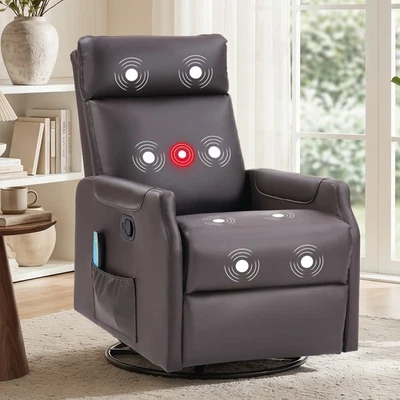
Massage chair leather is often not leather in the traditional sense. Most massage chairs use synthetic upholstery such as polyurethane (PU) leather, PVC vinyl, or a manufacturer-specific leather-like material designed to be flexible, easy to wipe, and compatible with moving massage components.
The material affects how the chair feels, how long it lasts, how easily it cleans, and whether it may eventually crack or peel. Proper care cannot make worn upholstery permanent, but it can slow damage and help a leather massage chair stay comfortable and presentable for longer.
Before using any cleaner or repair product, check the chair’s care manual. Manufacturers may use different upholstery blends on the seat, backrest, armrests, footwells, and removable head cushions, so one cleaning method may not suit every surface.
What Is Massage Chair Leather?
In product descriptions, “massage chair leather” usually means upholstery with a leather-like appearance rather than full-grain or top-grain animal hide. Synthetic materials are common because massage chairs need flexible covers that can move with rollers, air cells, recline mechanisms, and leg-rest components.
A chair may use more than one material. For example, the main seating surfaces may have a softer polyurethane coating, while side panels, rear covers, and areas exposed to stretching may use a more durable vinyl-type material. Some premium models may include genuine leather on selected contact areas, but this should be clearly stated in the manufacturer’s specifications.
The word “leather” alone is not enough to identify the upholstery. Look for terms such as PU leather, polyurethane leather, PVC, vinyl, synthetic leather, bonded leather, genuine leather, top-grain leather, or proprietary upholstery names. If the listing does not explain the material, ask the seller or manufacturer before buying specialty cleaners.
Common Upholstery Materials Used on Massage Chairs
| Material type | Typical characteristics | Care considerations |
|---|---|---|
| PU leather or polyurethane leather | Usually soft, flexible, and leather-like; commonly used on seating contact areas. | Wipe gently and keep it away from heat, sweat buildup, and harsh cleaners. The surface coating can eventually wear or peel. |
| PVC leather or vinyl | Often firmer and more resistant to moisture; frequently used on exterior panels and high-wear areas. | Generally easy to wipe, but strong solvents and excessive heat can still cause hardening, discoloration, or cracking. |
| Bonded leather | Made with leather fibers combined with binders and a finished surface layer. | Can look convincing when new, but the finish may separate or peel with age and repeated flexing. |
| Genuine leather | Animal hide, sometimes used on limited seating panels rather than the entire chair. | Needs leather-specific care and should not be treated like vinyl. Verify the manufacturer’s instructions first. |
| Proprietary synthetic upholstery | A branded fabric or leather-like coating formulated for a particular chair model. | Follow the supplied manual because the exact coating and approved cleaners may differ. |
PU leather
PU leather is one of the most common materials on leather massage chairs. It usually consists of a fabric backing with a polyurethane surface coating. It can feel relatively supple and is available in many colors and textures. Its flexibility makes it useful where the chair reclines, where airbags inflate, or where body weight repeatedly compresses the upholstery.
Its main weakness is that the surface coating may degrade over time. Heat, body oils, perspiration, sunlight, friction, and incompatible cleaning products can speed up this process. Peeling is usually a material breakdown issue, not simply dirt that has been left on the chair.
PVC and vinyl upholstery
PVC leather, often called vinyl, is another synthetic option. It tends to be more water-resistant and can be tougher in areas that receive less direct skin contact. Some people find it less breathable or less soft than PU, especially in warm rooms.
Vinyl can still become stiff, crack, or fade if exposed to sun, high heat, or harsh chemicals. It is durable, but it is not maintenance-free.
Genuine leather on a massage chair
A massage chair advertised as genuine leather may use real leather only on selected panels. The outer shell, rear cover, side sections, and foot area may still be synthetic. This is not necessarily a problem; different materials can be chosen for durability and mechanical flexibility. It does mean that care should be matched to the specific surface.
Real leather is porous and can dry out if neglected. However, applying a traditional leather conditioner to synthetic panels may leave residue, create slipperiness, or damage the coating. Never assume the whole chair can be conditioned simply because one section contains genuine leather.
How to Identify Your Chair’s Upholstery
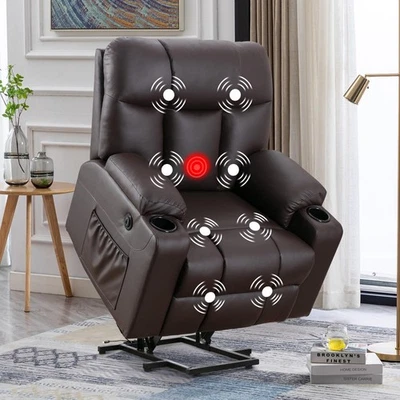
The safest way to identify the material is to consult the owner’s manual, product page, care label, or manufacturer support team. This is more reliable than judging by texture alone. Synthetic upholstery can be very convincing, and genuine leather can be coated or embossed.
If documentation is unavailable, these clues may help, but they are not definitive:
- Uniform grain: Repeated, highly even texture often suggests synthetic upholstery.
- Backside appearance: A hidden underside may reveal fabric backing on PU or vinyl, while real leather has a fibrous hide structure. Do not pull apart seams to inspect it.
- Panel differences: A softer central seat and firmer side panels may indicate a mix of materials.
- Product terminology: Phrases such as “leatherette,” “vegan leather,” “PU,” and “synthetic leather” normally indicate non-animal upholstery.
Avoid burn tests, chemical tests, or aggressive scratching. These can permanently damage the chair and are particularly unsuitable for a costly upholstered product with electronics beneath the surface.
Credit: ebay.com
How to Clean Massage Chair Leather Safely
Routine cleaning is mostly about removing skin oils, dust, sweat, and accidental spills before they settle into seams or weaken the surface coating. For most synthetic massage chair leather, a soft cloth lightly dampened with water is the safest starting point.
Always switch off and unplug the chair before cleaning. Do not spray liquid directly onto the upholstery, controls, remote, speakers, charging ports, seams, or moving sections. Moisture can travel through openings and affect electrical or mechanical parts.
Regular cleaning method
- Turn off the chair, unplug it, and allow heated areas to cool completely.
- Use a dry microfiber cloth to remove dust, hair, and loose debris from the seat, backrest, armrests, and leg-rest area.
- Lightly dampen a clean, soft cloth with water. The cloth should be damp, not dripping.
- Wipe the upholstery with gentle strokes. Pay attention to body-contact zones and folds where oils collect.
- For light grime, use a small amount of mild soap diluted in water only if the manufacturer permits it.
- Wipe again with a separate cloth dampened with clean water to remove any soap residue.
- Dry the surface with a soft towel, then leave the chair open and unused until fully dry.
Cleaning after every use is unnecessary for most households. A quick wipe when needed and a more thorough gentle clean on a regular schedule is usually enough. In a busy household, or if multiple people use the chair, more frequent wiping may be sensible.
Cleaning spills promptly
Blot spills instead of rubbing them. Use a dry absorbent cloth first, then a slightly damp cloth if needed. Rubbing can spread pigment, push liquid into seams, and increase abrasion on a worn surface.
Food, makeup, hair dye, ink, denim transfer, and oily lotions can be difficult to remove. Test any approved cleaner on a small hidden area first. If color transfers to the cloth, stop using that product and contact the manufacturer for guidance.
What not to use
Many common household products are too aggressive for synthetic upholstery. Avoid the following unless the chair manufacturer explicitly approves them:
- Bleach or chlorine-based cleaners
- Alcohol, rubbing alcohol, hand sanitizer, or disinfectant wipes containing alcohol
- Acetone, nail polish remover, paint thinner, and other solvents
- Furniture polish, silicone sprays, and oily shine products
- Abrasive sponges, stiff brushes, and magic eraser-style pads
- Steam cleaners and hot-water extraction machines
- Undiluted dish soap or strong all-purpose cleaners
These products may strip color, dry the coating, leave a slippery film, or weaken the bond between the top layer and its backing. A product that works on a kitchen chair, car interior, or sofa may not be appropriate for a massage chair.
Why Massage Chair Leather Peels, Cracks, or Flakes
Peeling occurs when the upholstery’s top layer loses adhesion or breaks down. It is especially common with coated synthetic materials and bonded leather, although genuine leather can also crack or wear when it becomes dry, neglected, or heavily abraded.
Once peeling begins, it often spreads because the damaged edge catches on clothing, skin, blankets, and normal movement. Cleaning can remove loose flakes, but it cannot restore the original factory coating.
Heat and direct sunlight
Sunlight and high temperatures can accelerate material aging. A chair positioned near a sunny window, radiator, fireplace, space heater, or heating vent may fade, dry, stiffen, or crack sooner than one kept in a stable indoor environment.
Heat therapy built into the chair is designed for normal use, but it is not a reason to leave the chair running unnecessarily. Follow the chair’s operating guidance and avoid covering heated sections with thick insulating items unless the manual allows it.
Body oils, sweat, and lotions
Skin oils, perspiration, sunscreen, hair products, and body lotion can slowly affect upholstery, particularly on headrests, armrests, and the seat. This does not mean the chair needs to be sterile; it means residue should not be allowed to build up for long periods.
Using the chair with clean, dry clothing is one practical way to reduce direct transfer. Avoid sitting down immediately after applying oily lotion or sunscreen. A breathable, manufacturer-approved cover can help in some cases, but it should not interfere with airbags, rollers, heating zones, or reclining parts.
Friction and repeated flexing
Every massage chair has high-stress areas. Seat edges, the lower back, arm openings, footwells, and recline folds repeatedly stretch or compress while the chair operates. Tight clothing hardware, sharp objects in pockets, pet claws, and rough accessories can create small surface cuts that later become larger tears.
Normal use will always cause some wear. The goal is to reduce avoidable friction, not to expect upholstery to remain unchanged forever.
Incorrect cleaners and over-conditioning
One of the most preventable causes of damage is using a cleaner or conditioner intended for a different material. Heavy leather balms, oils, waxes, and silicone sprays may seem to improve shine temporarily, but they can leave residue on PU or vinyl and may affect the top coating.
Likewise, frequent scrubbing can wear down a delicate finish. Gentle cleaning with minimal moisture is usually safer than trying to make synthetic upholstery look glossy.
What to Do When the Upholstery Starts Peeling
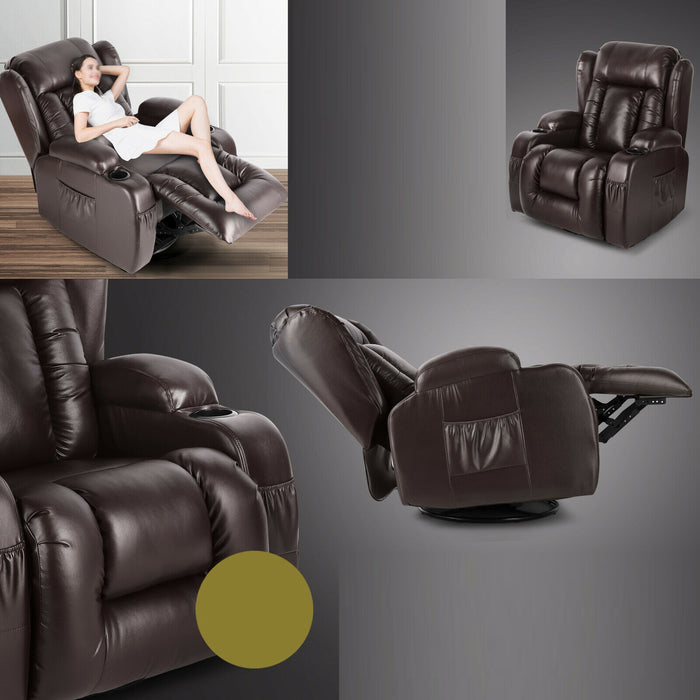
Early peeling does not necessarily mean the chair’s massage system has failed. The chair may still operate normally, but loose material can become uncomfortable, look untidy, and eventually expose the backing beneath the surface layer.
Credit: innovdepot.com
Assess the size and location of the damage
Small flakes on a non-moving exterior panel are easier to manage than peeling on the seat, armrest, footwell, or an area that bends during reclining. Check whether the damage is limited to the surface coating or whether the upholstery is torn through to the backing material.
Also inspect nearby seams. If a seam is opening, the issue may require upholstery repair rather than a cosmetic coating product.
Use repairs cautiously
Leather and vinyl repair kits can sometimes improve the appearance of a small, stable damaged area. Results vary substantially by material, color, texture, and location. A repair product may not flex like the original upholstery, especially on moving massage-chair panels.
If you use a kit, choose one labeled for the actual upholstery type where possible, test it in an inconspicuous spot, and follow its instructions exactly. Do not apply thick layers across folds, airbag sections, or areas where the chair bends. A thick repair may crack again or interfere with movement.
Consider professional upholstery service
For extensive peeling, tears, failed seams, or damaged seat panels, a professional upholstery technician may be the better option. Depending on the chair design, it may be possible to replace a panel, headrest cover, seat pad, or armrest section rather than reupholster the entire chair.
Before arranging work, contact the manufacturer or authorized service provider. Removing upholstery from a massage chair can involve wiring, airbags, heating elements, sensors, rollers, and complex fasteners. Unapproved disassembly may affect warranty coverage or create a safety issue.
Daily Habits That Help Protect a Leather Massage Chair
- Place the chair away from direct sun, radiators, fireplaces, and heating vents.
- Leave enough room around the chair for reclining so the upholstery does not rub against walls or furniture.
- Empty pockets before sitting down, especially if they contain keys, tools, pens, or sharp accessories.
- Keep pets away from the chair when possible; claws can puncture coated upholstery quickly.
- Wipe off sweat, lotion, and visible residue with a soft cloth after use when needed.
- Use only manufacturer-approved covers, cleaners, and protectants.
- Do not overload armrests, footrests, or reclined sections with bags, children, or heavy objects.
- Inspect seams and high-flex areas occasionally so small damage can be addressed before it spreads.
A protective cover can reduce dirt and direct skin contact, but fit matters. Loose fabric can bunch around moving mechanisms, and thick padding can change the feel of rollers or block air compression. If a cover is not specifically approved for the chair, remove it before operating the massage functions.
Choosing a Massage Chair With Easier-Care Upholstery
When comparing leather massage chairs, do not focus only on whether the upholstery is called leather. Ask where each material is used, whether replacement pads or covers are available, and how the manufacturer recommends cleaning the chair.
These details can be more useful than a broad “premium leather” claim:
- Material disclosure: Clear identification of PU, PVC, genuine leather, or mixed upholstery is a good sign.
- High-wear panel design: Look at seat edges, arm openings, footwells, and headrest areas where wear is most likely.
- Removable components: Detachable head pillows, pads, or covers may be easier to clean or replace.
- Service access: Check whether replacement upholstery parts or authorized repairs are available in your area.
- Room conditions: A chair in a bright, hot room needs more protection than one used in a climate-controlled space.
- User habits: Homes with pets, children, frequent users, or warm climates may benefit from materials that prioritize easy wiping and durability.
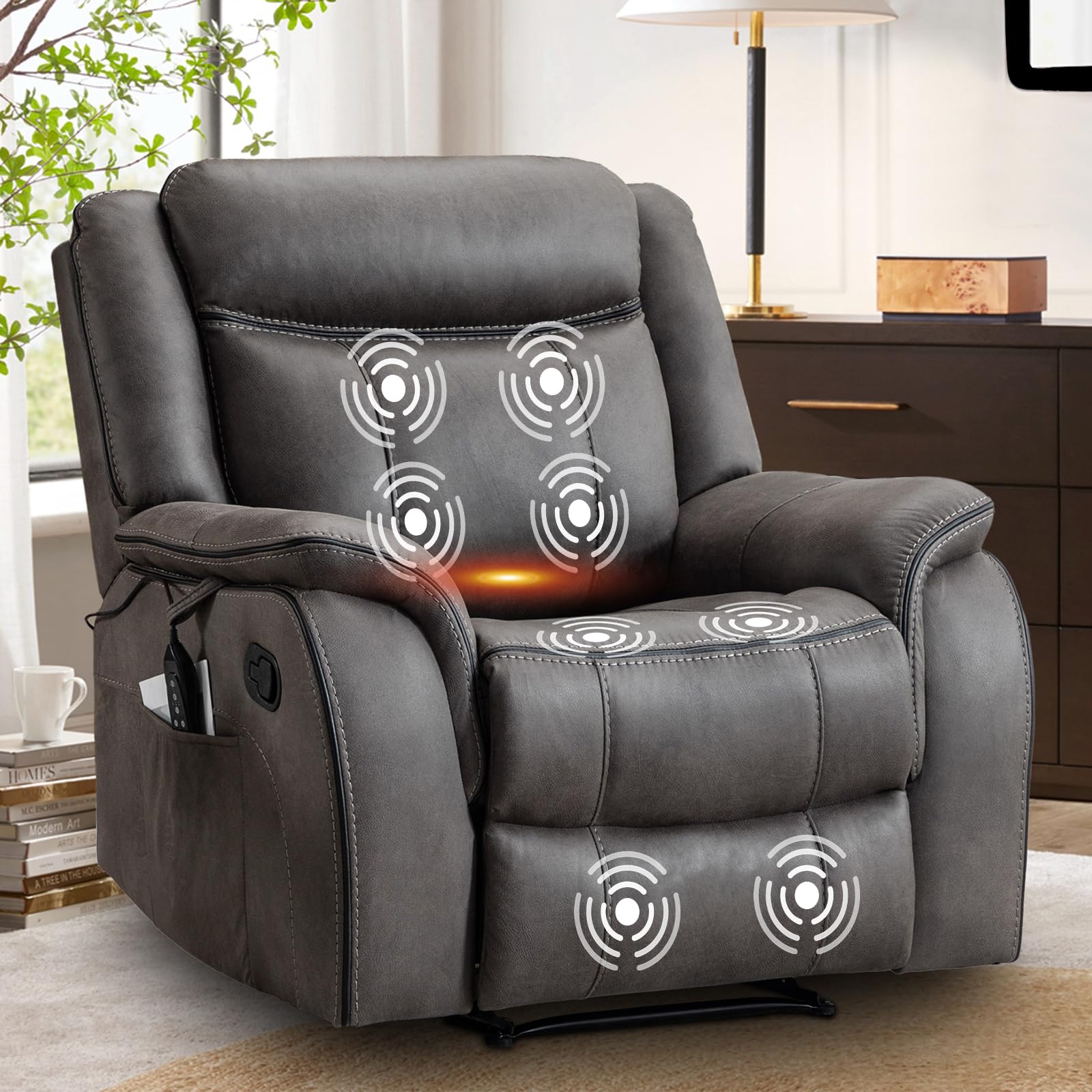
Softness and durability are often a trade-off. A very supple synthetic surface may feel more luxurious initially but may need more careful protection from abrasion and heat. A firmer vinyl-like material may be easier to wipe and more resistant to moisture, though it may feel less breathable.
Credit: amazon.com
FAQ
Can I use regular leather conditioner on a massage chair?
Only if the manufacturer confirms that the specific panel is genuine leather and approves the product. Most massage chair upholstery is synthetic, and conventional leather conditioners may leave residue or damage the finish.
Is it safe to use disinfectant wipes on massage chair upholstery?
Not automatically. Many disinfectant wipes contain alcohol, bleach, or other chemicals that can affect synthetic coatings. Check the chair manual and the wipe ingredients before use; a damp cloth and mild approved cleaner are usually safer for routine cleaning.
How can I remove a bad smell from a leather massage chair?
First clean the surface gently and allow the chair to air dry fully in a well-ventilated room. Avoid heavily scented sprays, which can leave residue. If the odor persists after cleaning, it may be coming from padding, spilled liquids, or an internal area that needs professional assessment.
Can peeled massage chair upholstery be covered with a blanket?
A blanket may improve comfort temporarily, but it should not obstruct moving parts, air cells, controls, or heating areas. Remove it before operating the chair unless the manufacturer specifically allows a fitted cover during use.
Does a cracked upholstery surface mean the massage chair is unsafe?
Not always. Superficial cracking may be cosmetic, but deep tears, exposed wiring, damaged heating sections, loose seams near moving parts, or moisture entering the chair should be treated seriously. Stop using the chair and seek authorized service if damage affects its structure or electrical components.