
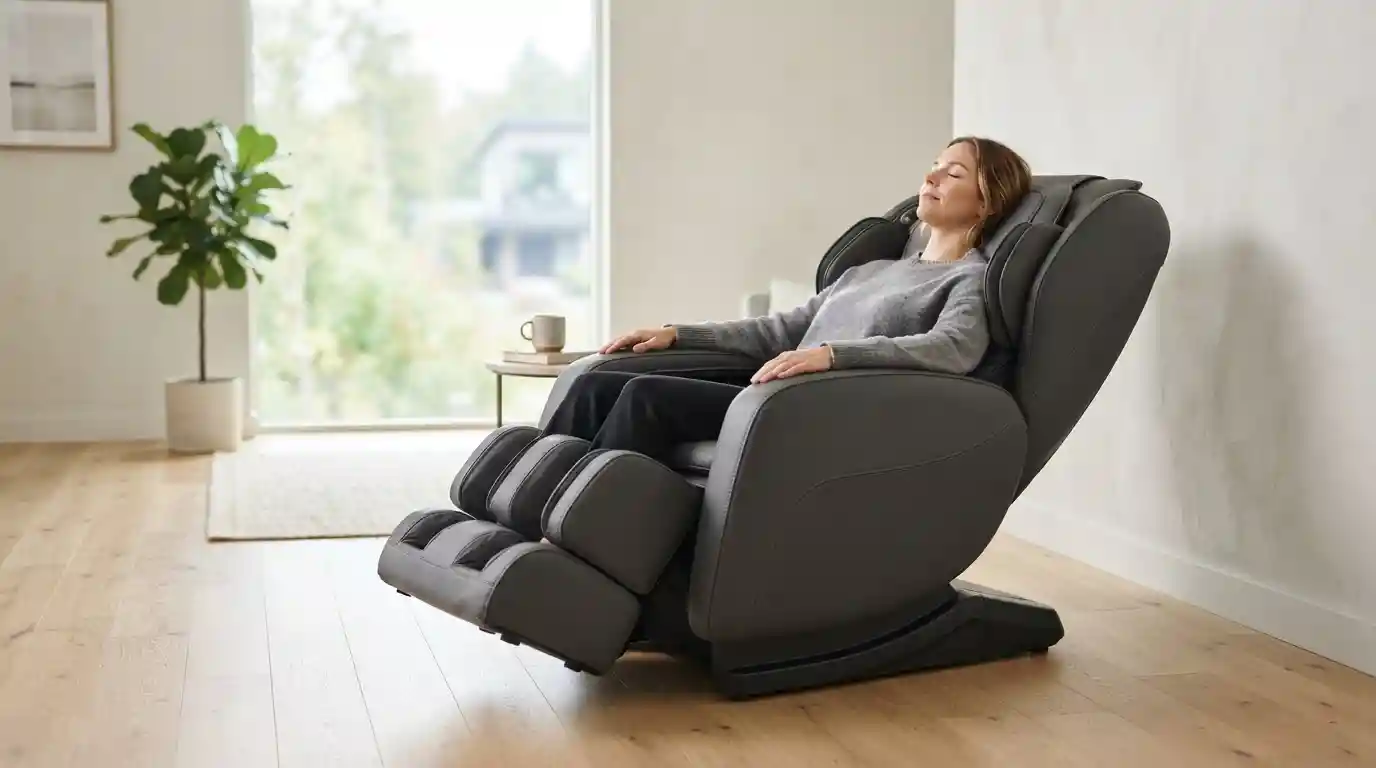
A massage chair buying guide should start with fit, not features. A chair with impressive programs and a long roller track will still disappoint if it does not suit your height, shoulder width, available floor space, or preferred massage style.
The best choice depends on how you plan to use it. Some people want gentle daily relaxation in a living room, while others prioritize deeper back massage, calf compression, heat, or a space-saving recline for a dedicated wellness area. Understanding the differences in size, rollers, tracks, warranty terms, and budget makes it much easier to compare models fairly.
Massage chairs can support comfort and relaxation, but they are not a substitute for medical assessment or treatment. If you have a recent injury, implanted medical device, pregnancy-related concerns, severe osteoporosis, circulation concerns, or another health condition, ask an appropriate healthcare professional whether massage-chair use is suitable for you.
Start With the Space You Actually Have
One of the most overlooked parts of how to choose a massage chair is measuring the room before shopping. Massage chairs are much larger than standard recliners, especially when fully reclined. The footprint shown on a product page may describe the upright chair rather than the space it needs during use.
Measure upright and reclined space
Measure the intended location’s width, depth, and clearance around doors, walls, tables, and walkways. Then compare those measurements with the manufacturer’s stated dimensions in both upright and reclined positions.
Pay special attention to rear clearance. Traditional recline designs may need substantial room behind the chair. Space-saving or wall-hugging designs slide forward as they recline, reducing the gap needed behind them. They can be useful in apartments and smaller rooms, but they still need adequate space in front and along the sides.
- Leave room to enter and exit the chair safely.
- Check whether footrests extend forward before recline begins.
- Measure narrow hallways, stairs, elevators, and door frames for delivery access.
- Confirm whether the chair arrives assembled or in separate sections.
- Plan access to a properly located electrical outlet without stretching or pinching the power cord.
Check user size and body-shape compatibility
Massage chairs do not fit every body equally well. Height ranges are useful, but they should not be treated as guarantees. Two people of the same height can have very different torso lengths, shoulder widths, and leg lengths, which affect how the rollers and airbags line up.
Look for a stated user-height range and maximum user weight, but also review how the chair adjusts. Features that can improve fit include body scanning, adjustable shoulder positions, extendable ottomans, and calf or foot sections that accommodate different leg lengths. A chair should place the roller massage over your back muscles rather than repeatedly pressing the neck, shoulder blades, or tailbone.
If possible, try the chair before buying. If an in-person trial is not practical, read the product manual, examine the return policy carefully, and buy from a seller that clearly explains return shipping and restocking terms. Massage chairs are heavy, and a return can be expensive even when the retailer allows it.
Understand Rollers and Massage Mechanisms
When people ask what to look for when buying a massage chair, rollers are often the first feature mentioned. Rollers are the moving mechanical components that travel along the backrest and perform techniques such as kneading, tapping, rolling, and combination movements.
Roller design affects massage coverage, precision, and intensity, but marketing language can be confusing. Focus less on labels alone and more on where the rollers reach, how well the chair detects your body, and whether you can adjust the pressure and massage area.
What roller count does and does not mean
Massage chairs are commonly described as having two, three, or four rollers. In simple terms, more rollers may allow the mechanism to create more varied massage patterns or cover more of the back at once. However, roller count is not a reliable shortcut to massage quality.
A well-designed chair with fewer rollers, good body scanning, and useful adjustments can feel more effective than a chair with a higher roller count but poor fit. Consider roller count as one specification among many, rather than the deciding factor.
Massage techniques and intensity control
Most chairs offer a mix of techniques. The names vary by brand, but common options include:
- Kneading: rotating or circular pressure intended to mimic a kneading motion.
- Tapping: rhythmic percussive movement along the back.
- Rolling: steady movement up and down the back.
- Shiatsu-style programs: patterns designed around pressure-point-inspired massage concepts; the actual feel differs widely by chair.
- Stretch programs: recline and airbag movements that gently hold or move parts of the body within the chair’s programmed range.
Adjustability matters more than having a long list of automatic programs. Look for controls that let you change roller speed, width, intensity, massage duration, and massage location. Spot massage, partial-back massage, and manual positioning can be especially valuable if you regularly want attention in one area.
Be realistic about intensity. Deep massage is not automatically better. Excessive pressure can be uncomfortable, particularly for smaller users or anyone sensitive to firm massage. Removable padding, adjustable roller intensity, and multiple strength settings make it easier for more than one person in a household to use the chair comfortably.
Choose the Right Track: S-Track, L-Track, or Other Designs
The track is the path that guides the rollers. It largely determines which areas receive roller massage, so it is one of the most important specifications in a massage chair buying guide.
| Track type | Typical roller path | Best suited to | Key consideration |
|---|---|---|---|
| S-Track | Follows the natural curve of the spine from the neck or shoulders toward the lower back | Buyers focused mainly on back massage and spinal contour | Usually does not extend roller massage far into the seat area |
| L-Track | Follows the back and continues under the seat toward the glutes or upper thighs | People who want broader coverage beyond the lower back | Coverage and intensity in the glute area vary by model and body fit |
| Hybrid or extended-track designs | Brand-specific variations that may combine contour following with longer coverage | Buyers comparing advanced models | Read the stated roller path rather than relying on a marketing label |
Credit: recoveryforathletes.com
S-Track chairs
An S-Track follows the natural S-shaped curve of the back. This can help the rollers maintain closer contact as they move from the upper back through the lumbar area. For buyers who care most about shoulder, mid-back, and lower-back massage, an S-Track may provide everything they need.
L-Track chairs
An L-Track extends beyond the lower back into the seat. This design is popular with people who prefer massage coverage around the glutes and upper thighs in addition to the back. It can be particularly appealing for users who spend long periods sitting, although comfort remains highly personal.
Do not assume an L-Track is always the superior option. It may cost more, take up more space, or simply provide coverage you will not use. The better choice is the one that matches the areas you want massaged and feels comfortable at your preferred intensity.
Airbags complement roller massage
Rollers mainly target the back and, in some designs, the seat area. Airbags use inflation and deflation to apply compression around areas such as the shoulders, arms, hips, calves, and feet. They can create a more enveloping massage experience and are often central to stretch programs.
More airbags do not necessarily mean a better chair. The practical questions are whether the compression is adjustable, whether the airbags contact the right areas for your body, and whether they feel secure rather than restrictive. Users with broader shoulders or larger calves should pay close attention to these areas.
Evaluate Recline, Foot Massage, Heat, and Controls
Secondary features often determine whether a massage chair becomes part of a regular routine or sits unused. Prioritize the functions you expect to use several times a week instead of paying extra for every available feature.
Recline and zero-gravity positioning
Many chairs offer a zero-gravity-inspired recline position, where the legs are raised and the body is reclined. This position can feel comfortable and may distribute body weight differently across the chair. It is a comfort feature, not a medical treatment, and the exact angle varies by model.
Check whether you can stop the chair at several recline positions. Adjustable recline is useful because some people prefer a gentle lean for reading or relaxing, while others want a deeper position during a massage program.
Foot rollers and calf massage
Foot massage systems can include rollers, airbags, vibration, textured pads, or combinations of these. They are highly subjective. Strong foot rollers may feel excellent to one user and too intense to another, especially when used without socks.
Look for adjustable foot intensity, removable pads, and an extendable leg section if multiple people will use the chair. Also consider maintenance: foot wells collect dust and are more practical when liners or pads can be removed and cleaned according to the manufacturer’s instructions.
Heat, speakers, and convenience features
Heat is often included around the lumbar area and sometimes in the calves or feet. It can add a pleasant warming sensation, but coverage and temperature control differ from one chair to another. Avoid treating heat as a reason to overlook core fit and massage quality.
Other convenience features may include shortcut buttons, a wired remote, touchscreen controls, memory settings, USB charging, Bluetooth audio, or voice control. These can be helpful, but a simple, responsive controller with clear manual adjustments is usually more valuable than complicated technology you will not use.
Read the Warranty Like a Repair Plan
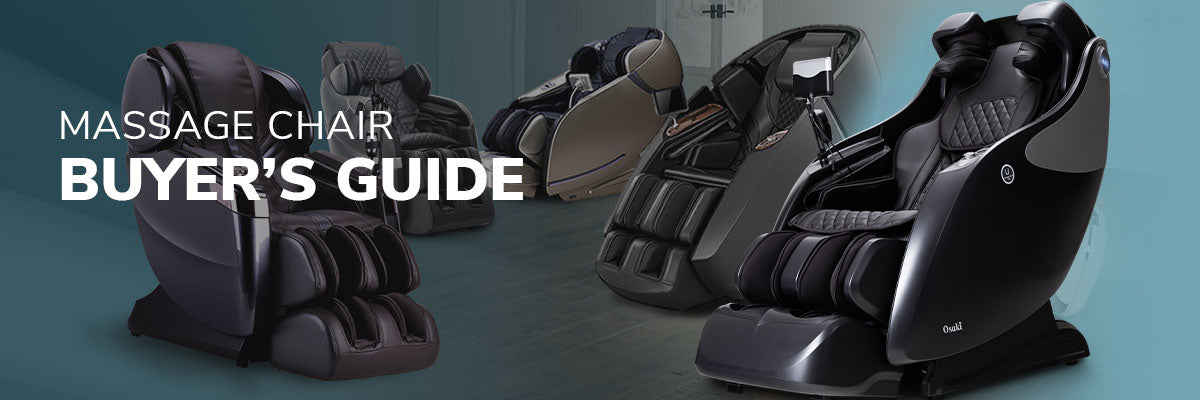
A massage chair warranty is not just a reassuring line on a product page. It defines what protection you receive if the chair develops a fault and who pays for diagnosis, labor, parts, transportation, or in-home service.
Warranty length is important, but coverage details matter just as much. A longer warranty that excludes labor or requires you to ship a very heavy chair may be less useful than a shorter plan with accessible service support.
Credit: massagechairplanet.com
Questions to ask before buying
- How long are the structural frame, mechanical parts, electronics, and labor covered?
- Is in-home technician service included, available only in certain areas, or not offered?
- Who pays for travel charges, shipping, packing, or removal if service is needed?
- Are rollers, airbags, upholstery, remote controls, and foot components covered?
- Does the warranty apply when the chair is used in a home only, or are commercial settings excluded?
- What actions can void coverage, such as unauthorized repairs, improper cleaning, or moving the chair incorrectly?
- Is an extended protection plan available, and what does it cover beyond the standard warranty?
Read the full warranty document before placing an order, not after delivery. Also confirm who will handle the claim: the manufacturer, the retailer, or a third-party warranty provider. A seller with knowledgeable customer support and a clear service process can be valuable for a complex product with moving parts and electronics.
Set a Budget Based on Priorities, Not Marketing Tiers
Massage chair prices vary widely because mechanisms, materials, controls, track length, airbag systems, service arrangements, and brand support vary widely. Rather than choosing solely by price, build a shortlist around the features that will affect daily satisfaction.
What lower-priced chairs may offer
Entry-level options may provide basic vibration, fixed-position massage, limited roller coverage, simpler recline functions, or fewer adjustment settings. These chairs can make sense for occasional relaxation, modest space requirements, or buyers who want to try the category without investing in a feature-heavy model.
The trade-off is often less customization, more limited body-size accommodation, and fewer service options. Review the warranty especially carefully at this end of the market.
What mid-range and premium spending can change
As the budget increases, chairs may offer more refined body scanning, longer tracks, stronger or more adjustable rollers, broader air compression zones, extendable ottomans, multiple recline settings, and more robust control systems. Higher-priced models may also include improved upholstery, more sophisticated automatic programs, and stronger service networks.
However, price does not guarantee that a chair will suit you. A premium chair with aggressive rollers may not be ideal for someone who wants a gentle massage. Compare the chair’s fit, controls, warranty, and return conditions before paying for advanced features.
Plan for the full ownership cost
Your budget should account for more than the sticker price. Depending on the seller and location, total cost may include delivery, room-of-choice placement, assembly, old furniture removal, extended protection, and return shipping. Ask whether delivery is curbside only or includes placement inside the home.
It is also wise to consider longevity. A slightly higher upfront cost can be reasonable when it buys a better fit, clearer warranty coverage, and service support. On the other hand, expensive add-ons are poor value if they do not improve the massage experience you want.
A Practical Way to Compare Massage Chairs
Once you have narrowed your options, compare them using the same criteria rather than relying on a feature list alone. This prevents attractive extras from distracting you from the fundamentals.
- Confirm room and delivery access. Eliminate chairs that cannot fit safely in the intended space.
- Match the chair to the primary user. Review height range, shoulder fit, calf fit, and ottoman extension.
- Choose the massage coverage you want. Decide whether back-only coverage is enough or whether an extended track matters.
- Check adjustability. Prioritize controllable roller intensity, airbag pressure, recline, and targeted massage settings.
- Review comfort details. Consider seat feel, neck support, foot massage intensity, and ease of getting in and out.
- Compare warranty and service. Read the coverage terms, not just the duration.
- Calculate the delivered total. Include all likely delivery, setup, and protection costs before deciding.
A good massage chair should fit your body, your room, and your routine. Focus first on reliable comfort, useful adjustments, and practical ownership support; features such as audio systems or elaborate program names should come later. That approach leads to a chair you are more likely to use consistently and enjoy over time.
Credit: massagechairdeals.com
Frequently Asked Questions
How often can you use a massage chair?
Usage depends on the chair’s instructions, the intensity selected, and your personal comfort. Many people use a chair in short sessions, but it is sensible to begin gently and see how your body responds. Stop if massage causes pain, numbness, dizziness, or lasting soreness, and seek professional advice if you have health concerns.
Is a full-body massage chair worth it for one person?
It can be worthwhile if that person will regularly use functions beyond back rollers, such as calf compression, foot massage, arm airbags, or recline programs. If the buyer mainly wants occasional upper-back massage, a simpler chair may offer better value and take up less room.
Can a massage chair be placed on carpet?
Usually, yes, provided the floor is stable and the chair is positioned according to the manufacturer’s instructions. Thick or uneven carpet can make a heavy chair less stable and may complicate moving it. A suitable floor protector may help protect carpet, but it should not interfere with the chair’s base or recline path.
How difficult is it to move a massage chair after delivery?
Massage chairs are often heavy and awkward because of their motors, frames, and reclining mechanisms. Moving one may require multiple capable adults or professional movers, especially on stairs. Keep the original moving instructions if possible, avoid dragging the chair, and do not lift it by fragile parts such as the footrest, arm panels, or remote holder.
Should you buy a massage chair online without trying it first?
You can, but only after checking body-size guidance, reclined dimensions, return costs, warranty terms, and service availability. Product videos and specifications are helpful, yet they cannot fully predict comfort. Buying from a seller with clear pre-sale support and transparent return policies reduces the risk of an expensive mismatch.
Sources & References
For model-specific fit, warnings, setup, warranty and maintenance, check the manufacturer documentation for the exact chair model.
35 thoughts on “Massage Chair Buying Guide: Size, Rollers, Tracks, Warranty and Budget”